Anthropic, the artificial intelligence research company often recognized for its safety-first approach to model development, is taking a significant step toward integrating AI more deeply into the daily professional lives of its users. The company has officially unveiled Claude Duet, a proactive AI agent designed to move beyond the traditional "question-and-answer" format of standard chatbots. Instead of waiting for a prompt to act, Claude Duet is built to operate autonomously in the background, intervening only when it deems a situation requires human attention or when it has completed a complex task.
Currently available in a research preview across Android, iOS, and web platforms, Claude Duet represents a strategic pivot for Anthropic. While the company’s flagship Claude models have long been praised for their nuanced understanding and conversational abilities, Duet is aimed squarely at the productivity market. It is specifically tailored for professionals, freelancers, and small business owners who find themselves overwhelmed by the friction of juggling multiple projects, data streams, and administrative responsibilities.
At the heart of this new offering is Anthropic’s most advanced model to date, the Claude Opus 5.5. By leveraging the reasoning capabilities of this high-end model, Duet is capable of more than just simple text generation; it is designed to understand context, manage multi-step processes, and exercise a degree of professional judgment that was previously absent from consumer-facing AI assistants.
Redefining the AI Interaction Model
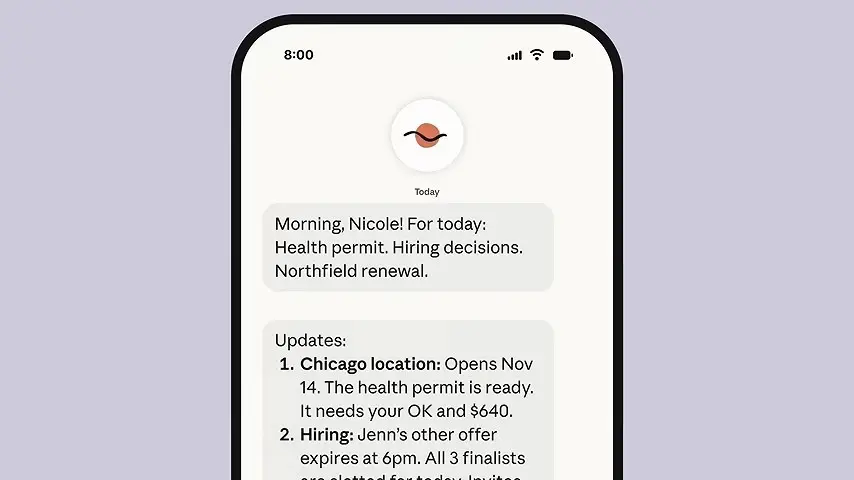
The introduction of Claude Duet marks a departure from the "reactive" nature of modern AI. Traditional chatbots are typically idle until a user types a command. Claude Duet, however, is designed to be "proactive." Upon integration with a user’s suite of professional applications, the agent begins its day by providing a comprehensive morning rundown. This briefing synthesizes important updates, upcoming deadlines, and critical communications from various connected apps, allowing the user to start their day with a clear picture of their priorities.
Throughout the workday, Duet continues to monitor these connected streams. It doesn’t just watch for new messages; it analyzes changes in project status and data. If a critical shift occurs—such as a sudden change in a financial forecast or a high-priority request from a client—Duet is designed to "nag" the user, bringing the information to the forefront only when it is truly necessary. This filtering mechanism is intended to reduce the "notification fatigue" that many professionals face, ensuring that when an alert does chime, it carries genuine weight.
Beyond monitoring, Duet is capable of executing a wide array of high-level tasks. Users can assign it responsibilities that go far beyond simple scheduling. While it can certainly manage calendars and set up meetings, it is also equipped to build data dashboards, prepare detailed financial and sales forecasts, and even assist in technical development. For developers and entrepreneurs, Duet can prototype and develop web applications, acting as a background collaborator that handles the heavy lifting of coding and architecture while the human user focuses on high-level strategy.
The Architecture of Autonomy
One of the most significant technical distinctions of Claude Duet is its operational environment. Unlike standard AI interfaces that rely on the user keeping a browser tab open or an app active, Duet runs within its own virtual machine. This architectural choice is crucial for its "always-on" functionality. Because it operates in an independent environment, Duet can continue working on complex tasks—such as compiling a massive data report or monitoring a live project—even when the user is offline or focused on other work.
 Mobile Device Management (MDM) & Mobile OS
YouTube Explores Expansion into Audiobooks to Bolster Premium Subscription Value
The digital landscape is witnessing a significant shift as platform giants increasingly...
 Mobile Device Management (MDM) & Mobile OS
Seattle-Based Startup Tin Can Brings Screen-Free “Mobile Landlines” to UK Youth to Foster Safer Communication
In an era where the digital landscape is increasingly dominated by complex...
 Mobile Device Management (MDM) & Mobile OS
Google Bridges the Ecosystem Gap as Better Together Features Roll Out to Samsung Galaxy Devices
When Google officially pulled the curtain back on the Googlebook, the tech...