
In the rapidly evolving landscape of consumer technology, it is often difficult for enthusiasts and early adopters to recognize the boundaries of their own perspective. For those who inhabit the "tech bubble," the nuances of smart home integration—from soldering custom circuit boards to navigating the intricacies of the X10 industry standard—have been a part of daily life for decades. To the seasoned "geek," a smart home is a project to be managed, a network to be optimized, and a series of puzzles to be solved. However, for the vast majority of the population, the smart home remains a daunting prospect, shrouded in the perceived complexity of network configurations and the frustration of incompatible ecosystems.
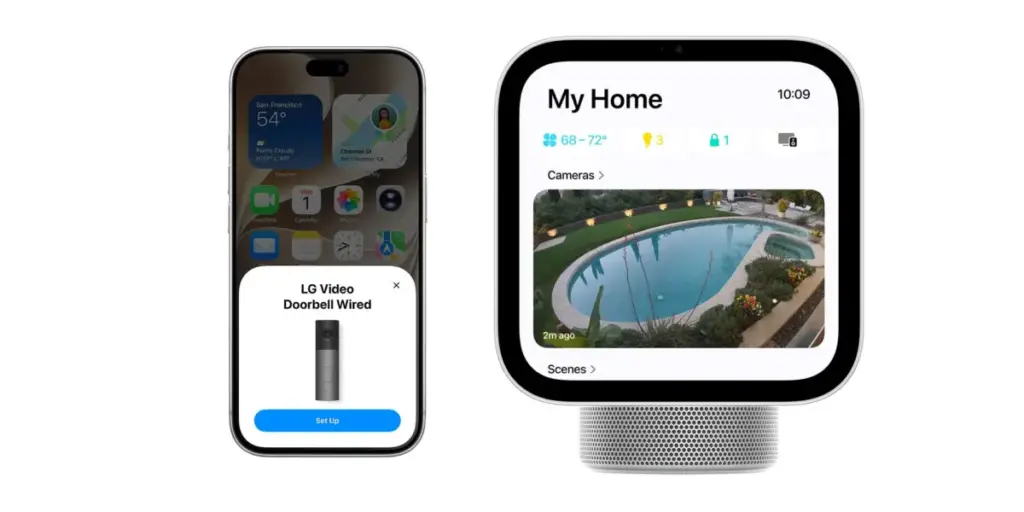
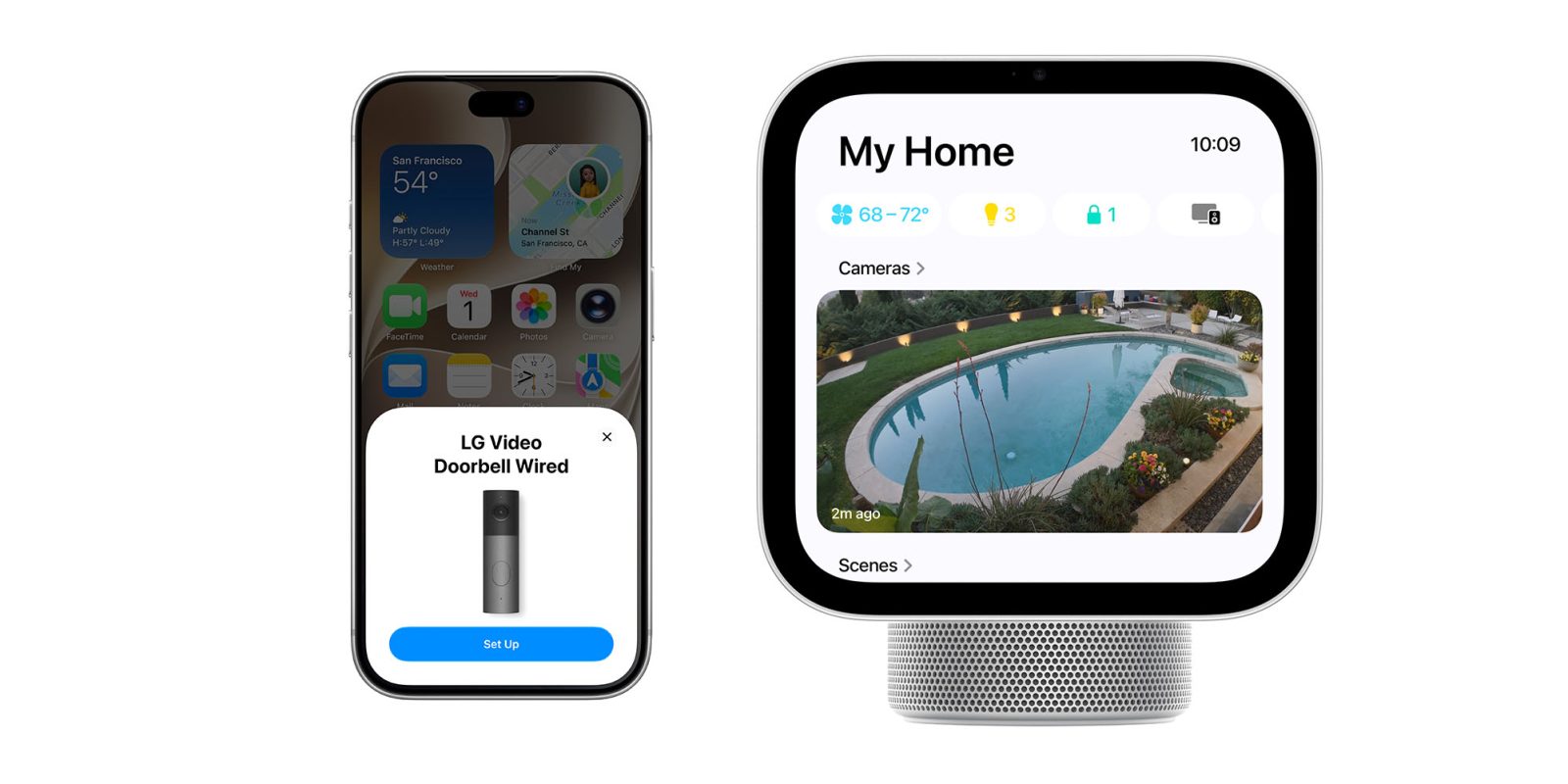
The recent unveiling of the Apple Home Collection, a suite of smart home accessories developed in collaboration with industry giants LG and Schneider Electric, has sparked a wave of skepticism among tech-focused commentators. The primary critique centers on the premium pricing of these devices, which, at first glance, appear to offer few functional advantages over existing, more affordable alternatives. Yet, this criticism may be missing the broader strategic significance of Apple’s latest move. By focusing on the user experience rather than just the technical specifications, the Apple Home Collection aims to dismantle the barriers that have long prevented smart home technology from achieving true mass-market adoption.
The Long Road from Hobbyist Kits to HomeKit
To understand why the Apple Home Collection represents a potential turning point, one must look back at the history of the smart home. In its infancy, automating a household was a task reserved for those with a background in electrical engineering or computer programming. Early systems required significant manual labor, often involving physical wiring and complex software coding. As the technology matured, the advent of wireless protocols and smartphone control marked a significant shift toward accessibility. Suddenly, users could control their lights or thermostats via an app, a convenience that felt like the future.
However, this first wave of consumer-grade smart home tech brought its own set of frustrations. The "app for everything" era meant that a single household might require a dozen different companion apps to manage devices from various manufacturers. The lack of a centralized interface made the experience fragmented and cumbersome. Apple sought to rectify this in 2014 with the introduction of HomeKit. The vision was elegant: a single, secure framework that would allow all compatible devices to be managed through the Home app and controlled via Siri.
In practice, HomeKit was a significant improvement, but it fell short of being a universal solution. While it provided a unified interface, the initial setup process remained a hurdle. Users often found themselves acting as "unpaid network engineers," troubleshooting connectivity issues, splitting 2.4GHz and 5GHz Wi-Fi bands, and navigating third-party apps just to get a device to appear in the Apple Home environment. Furthermore, Apple’s stringent security requirements meant that fewer manufacturers were willing to jump through the necessary hoops to achieve HomeKit certification, leaving the ecosystem smaller than those of Amazon Alexa or Google Home.
The Limitations of Standards Like Matter and Thread
The industry recognized these friction points, leading to the development and launch of Matter and Thread. These standards were designed to create a universal language for smart home devices, ensuring that a light bulb purchased today would work seamlessly across Apple, Google, and Amazon ecosystems. Matter, in particular, was touted as the "holy grail" of interoperability, promising a simpler setup process and more reliable performance.
 Smart Home & IoT Solutions
Apple Poised to Enter Smart Home Display Market with Design Inspired by Iconic iMac G4
In a move that signals a significant shift in its hardware strategy,...
 Smart Home & IoT Solutions
Apple Signals Major Smart Home Push with iOS 27 Upgrades and Upcoming Hardware Event
As Apple prepares for its highly anticipated "Welcome Home" special event scheduled...
 Smart Home & IoT Solutions
Abode Expands Smart Home Security Ecosystem with New Apple Home-Compatible Garage and Outdoor Sensors
In an era where the boundary between professional-grade security and do-it-yourself convenience...







