
In the rapidly evolving landscape of consumer technology, it is often difficult for enthusiasts and early adopters to recognize the boundaries of their own perspective. For those who inhabit the "tech bubble," the nuances of smart home integration—from soldering custom circuit boards to navigating the intricacies of the X10 industry standard—have been a part of daily life for decades. To the seasoned "geek," a smart home is a project to be managed, a network to be optimized, and a series of puzzles to be solved. However, for the vast majority of the population, the smart home remains a daunting prospect, shrouded in the perceived complexity of network configurations and the frustration of incompatible ecosystems.
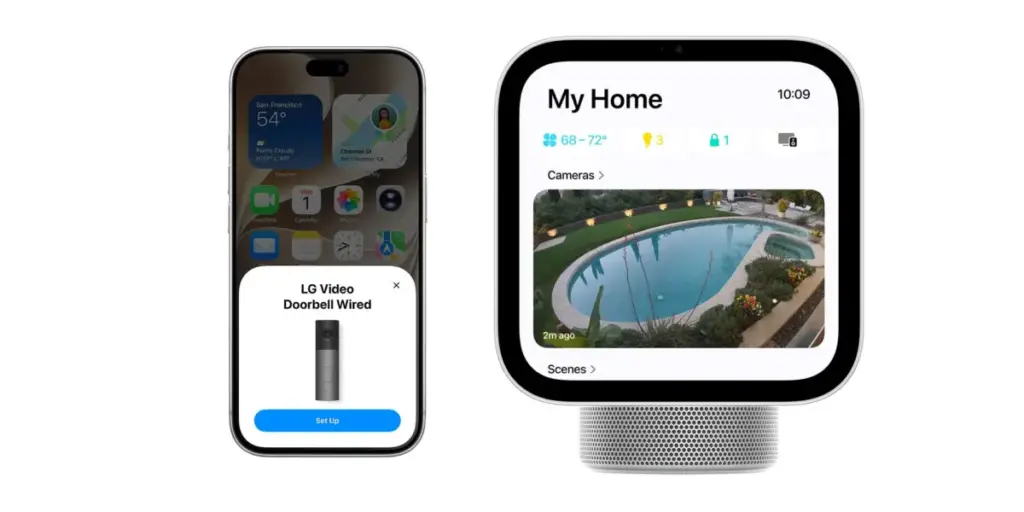
The recent unveiling of the Apple Home Collection, a suite of smart home accessories developed in collaboration with industry giants LG and Schneider Electric, has sparked a wave of skepticism among tech-focused commentators. The primary critique centers on the premium pricing of these devices, which, at first glance, appear to offer few functional advantages over existing, more affordable alternatives. Yet, this criticism may be missing the broader strategic significance of Apple’s latest move. By focusing on the user experience rather than just the technical specifications, the Apple Home Collection aims to dismantle the barriers that have long prevented smart home technology from achieving true mass-market adoption.
The Long Road from Hobbyist Kits to HomeKit
To understand why the Apple Home Collection represents a potential turning point, one must look back at the history of the smart home. In its infancy, automating a household was a task reserved for those with a background in electrical engineering or computer programming. Early systems required significant manual labor, often involving physical wiring and complex software coding. As the technology matured, the advent of wireless protocols and smartphone control marked a significant shift toward accessibility. Suddenly, users could control their lights or thermostats via an app, a convenience that felt like the future.
However, this first wave of consumer-grade smart home tech brought its own set of frustrations. The "app for everything" era meant that a single household might require a dozen different companion apps to manage devices from various manufacturers. The lack of a centralized interface made the experience fragmented and cumbersome. Apple sought to rectify this in 2014 with the introduction of HomeKit. The vision was elegant: a single, secure framework that would allow all compatible devices to be managed through the Home app and controlled via Siri.
In practice, HomeKit was a significant improvement, but it fell short of being a universal solution. While it provided a unified interface, the initial setup process remained a hurdle. Users often found themselves acting as "unpaid network engineers," troubleshooting connectivity issues, splitting 2.4GHz and 5GHz Wi-Fi bands, and navigating third-party apps just to get a device to appear in the Apple Home environment. Furthermore, Apple’s stringent security requirements meant that fewer manufacturers were willing to jump through the necessary hoops to achieve HomeKit certification, leaving the ecosystem smaller than those of Amazon Alexa or Google Home.
The Limitations of Standards Like Matter and Thread
The industry recognized these friction points, leading to the development and launch of Matter and Thread. These standards were designed to create a universal language for smart home devices, ensuring that a light bulb purchased today would work seamlessly across Apple, Google, and Amazon ecosystems. Matter, in particular, was touted as the "holy grail" of interoperability, promising a simpler setup process and more reliable performance.
While Matter and Thread have undoubtedly improved the landscape, they have not entirely eliminated the technical friction that scares off "normies"—the non-technical consumers who simply want their home to work without a manual. Even with Matter, the process of adding a device can sometimes involve multiple steps, scanning codes, and occasional pairing failures that require a factory reset. The standards solved the problem of how devices talk to each other, but they didn’t fully solve the problem of how a human interacts with the initial setup. This is the specific pain point that Apple is targeting with its new collection.
Redefining Onboarding with the Apple Home Collection
The Apple Home Collection does not seek to reinvent the smart plug or the door sensor; instead, it seeks to reinvent the "out-of-the-box" experience. For the tech enthusiast, paying a premium for an LG-manufactured doorbell or a Schneider-branded switch might seem illogical when functional equivalents exist for a fraction of the price. But for the average consumer, the value proposition lies in the elimination of anxiety.
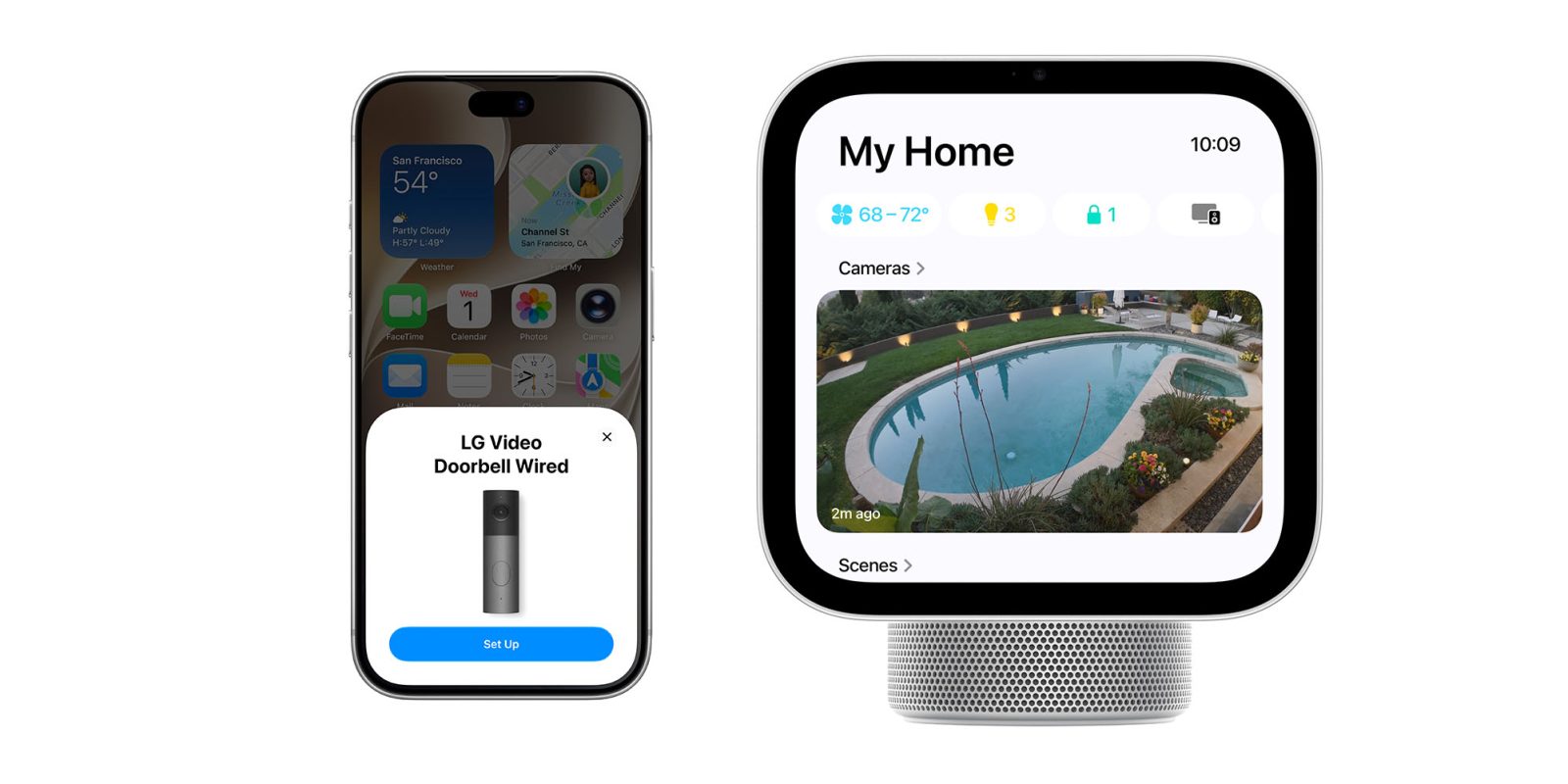
The breakthrough feature of the Apple Home Collection is a setup process that mirrors the seamlessness of pairing AirPods. Reports from early demonstrations, including those from CNET’s Ajay Kumar, describe a process that is almost invisible. Rather than navigating menus or troubleshooting Wi-Fi handshakes, a user simply brings their iPhone near the new device. The phone detects the hardware instantly, prompting a setup screen that registers the device to the Home app and the new HomeView interface in seconds.
This level of "proximity pairing" is a game-changer for mass-market appeal. As Kumar noted, an Apple representative was able to pair and register a new device mid-conversation, without missing a beat. For a professional who is intimidated by technology, or a parent who doesn’t have thirty minutes to spare on a finicky smart bulb, this ease of use is the ultimate feature. It transforms the smart home from a "tech project" into a "household appliance."
The Psychology of the Premium Experience
Apple has long understood that for a segment of the market, the "it just works" factor is worth a higher price tag. This philosophy has served the company well in the smartphone, tablet, and wearable markets. By partnering with LG and Schneider, Apple is leveraging the manufacturing expertise of established brands while layering its own proprietary ease-of-use software on top.

The Apple Home Collection isn’t designed to compete with the budget-friendly devices found on Amazon or in hardware store bins. Instead, it is positioned as a premium tier for those who prioritize their time and peace of mind over raw cost savings. When a consumer buys a product from this collection, they aren’t just buying hardware; they are buying the guarantee that they won’t have to spend their Saturday afternoon on a support forum wondering why their smart lock won’t connect to their router.
This approach addresses the "normie" hesitation head-on. Many people like the idea of a smart home—the security of a video doorbell, the convenience of automated lighting, the energy savings of a smart thermostat—but they are put off by the perceived complexity. They have seen their tech-savvy friends struggle with "No Response" errors in the Home app and have decided the convenience isn’t worth the hassle. By making the setup as simple as a tap, Apple is removing the final barrier to entry.
A Catalyst for Wider Adoption
We should not underestimate the "halo effect" that the Apple Home Collection could have on the wider industry. Much like the original iPhone set the standard for what a smartphone should be, or how AirPods redefined wireless audio, this simplified onboarding process could force the rest of the industry to level up. If Apple can prove that there is a significant market for premium, "zero-friction" smart home devices, other manufacturers will likely find ways to simplify their own setup procedures to compete.
For those within the tech bubble, the Apple Home Collection may continue to look like an overpriced set of basic tools. But for the world outside that bubble, it represents the moment the smart home became truly accessible. It moves the conversation away from protocols, hubs, and IP addresses and toward the actual benefits of a connected living space.
If you have been waiting for the smart home to become "ready for prime time," the Apple Home Collection suggests that the moment has finally arrived. The technology has matured to the point where the hardware is reliable; now, Apple is ensuring that the human element is equally supported. For the "normie" who has been sitting on the sidelines, the leap into home automation has never looked less intimidating. As these devices begin to find their way into more homes, we may look back at this collection as the catalyst that finally moved the smart home out of the enthusiast’s basement and into the mainstream living room.
 Smart Home & IoT Solutions
The Apple Home Collection: Why Seamless Integration Could Finally Drive Mass Market Smart Home Adoption
In the rapidly evolving world of consumer technology, it is often difficult...
 Smart Home & IoT Solutions
Why the Apple Home Collection Could Finally Bring the Smart Home to the Mainstream
In the fast-paced world of consumer electronics, it is often easy for...
 Smart Home & IoT Solutions
Apple Intelligence Signals Major Overhaul for Smart Home Lineup as New Hardware Nears Release
For several years, Apple’s presence in the smart home market has been...







