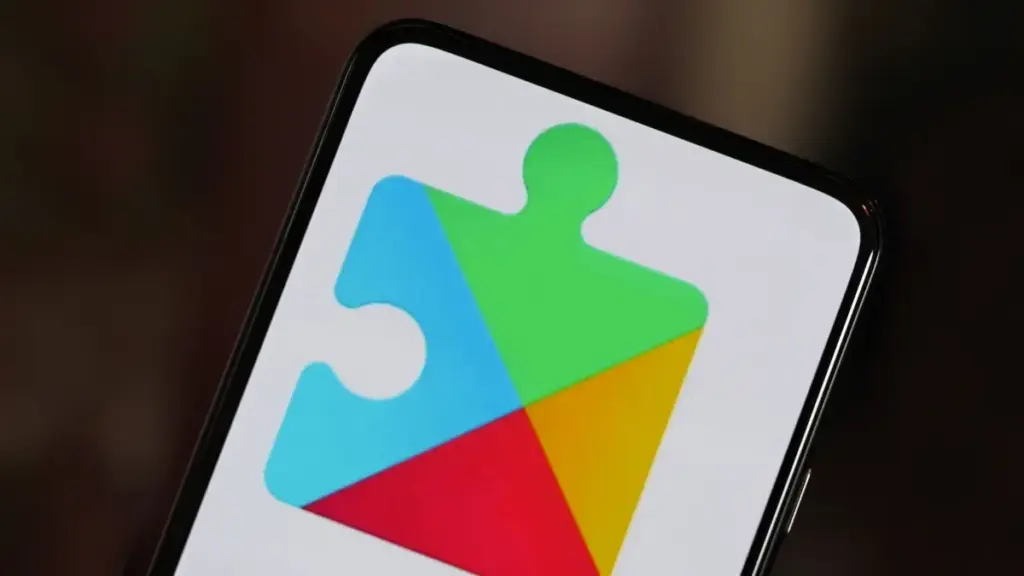
Android users have recently discovered a significant shift in how Google manages personal identifiers across multiple accounts. The tech giant has begun automatically linking the primary phone number of an Android device to every Google account signed in on that hardware, regardless of whether the account is a primary personal profile, a secondary work account, or a disposable alias. This development, which appears to be rolling out via a background update to Google Play Services, has sparked a debate over the balance between ecosystem convenience and the fundamental principle of informed consent.
The change was first brought to light by vigilant users on platforms like Reddit, who reported receiving unexpected notifications from a Google verification address. These automated emails, sent from [email protected], informed users that their phone numbers had been successfully verified for accounts where they had never manually provided such information. This "self-verification" process occurs without an explicit opt-in prompt, leading many to question the transparency of Google’s data-handling practices on its mobile operating system.
What you need to know
The core of the issue lies in a setting that allows Google and mobile carriers to periodically re-verify a device’s phone number to ensure that the services associated with a Google account remain functional. While the concept of number verification is not new, its application across all accounts on a single device marks a departure from previous iterations of Android’s account management. By automatically tethering a phone number to every logged-in profile, Google is effectively collapsing the barriers users intentionally build between their various digital identities.
According to Google’s official documentation, this process is designed to support a suite of essential features. These include account recovery, the implementation of Rich Communication Services (RCS) messaging, emergency location services, and the "Quick Share" feature (formerly known as Nearby Share). From a technical standpoint, having a verified phone number attached to an account ensures that these services can operate with minimal friction. For instance, RCS relies heavily on a verified number to function as a modern successor to SMS, providing features like read receipts and high-resolution media sharing. Similarly, account recovery is significantly bolstered when a verified mobile number is available to receive one-time passwords or security alerts.
However, the automated nature of this linking process presents a distinct challenge for users who prioritize digital compartmentalization. In the modern era of "Bring Your Own Device" (BYOD) to work, it is common for a single Android smartphone to host both a personal Gmail account and a corporate Google Workspace account. Many professionals prefer to keep their personal mobile number strictly separated from their work identity to maintain privacy and boundaries. By automatically linking a personal number to a work account, Google may be inadvertently exposing personal data in a professional context, or at the very least, creating a data link that the user never intended to establish.
The concern extends beyond professional boundaries to those who use "disposable" or secondary accounts for specific purposes, such as testing software, managing smart home devices, or signing up for newsletters. For these users, the anonymity or separation of these accounts is often the primary goal. When Google unilaterally attaches a verified phone number—a unique and highly personal identifier—to these accounts, it effectively deanonymizes them within Google’s internal ecosystem.
 Mobile Device Management (MDM) & Mobile OS
Next-Generation Google TV Streamer Reportedly in Development with Hands-Free Voice Controls and Presence Sensing
Google appears to be accelerating its ambitions for the living room, as...
 Mobile Device Management (MDM) & Mobile OS
YouTube Explores Expansion into Audiobooks to Bolster Premium Subscription Value
The digital landscape is witnessing a significant shift as platform giants increasingly...
 Mobile Device Management (MDM) & Mobile OS
Privacy Concerns Mount as Google Automatically Links Phone Numbers to All Signed-In Android Accounts
A quiet shift in how Google manages user identity on Android devices...