
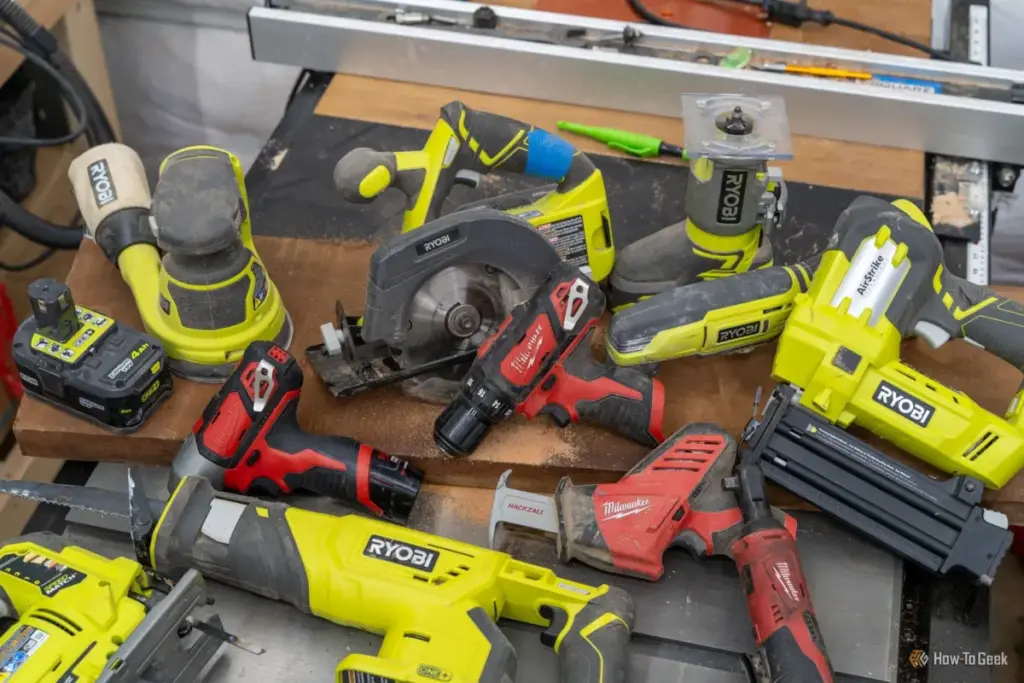
For the modern maker, DIY enthusiast, or professional tradesperson, the decision to commit to a specific power tool battery platform can feel strangely momentous. In a market where brand loyalty is often treated with the same reverence as a lifelong commitment, choosing between the red of Milwaukee, the lime green of Ryobi, or the yellow of DeWalt feels less like a simple purchase and more like a permanent lifestyle choice. The stakes, while perhaps not as high as a mortgage, carry a sense of permanence; once you have invested hundreds or even thousands of dollars into a specific ecosystem of batteries and chargers, switching tracks becomes an expensive and logistical nightmare.
However, the conventional wisdom that a workshop must be a monolithic shrine to a single brand is increasingly being challenged by practical experience. Patrick Campanale, a tech industry veteran with over a decade of experience specializing in PC gaming news, custom manufacturing, and maker-focused technology, argues that the "one-brand" rule is a myth that may actually be hindering productivity and budget management. With a background that spans from the early days of the Palm/webOS ecosystem to high-end custom PC building and professional woodworking, Campanale has spent years refining a workshop strategy that prioritizes utility over brand purity.
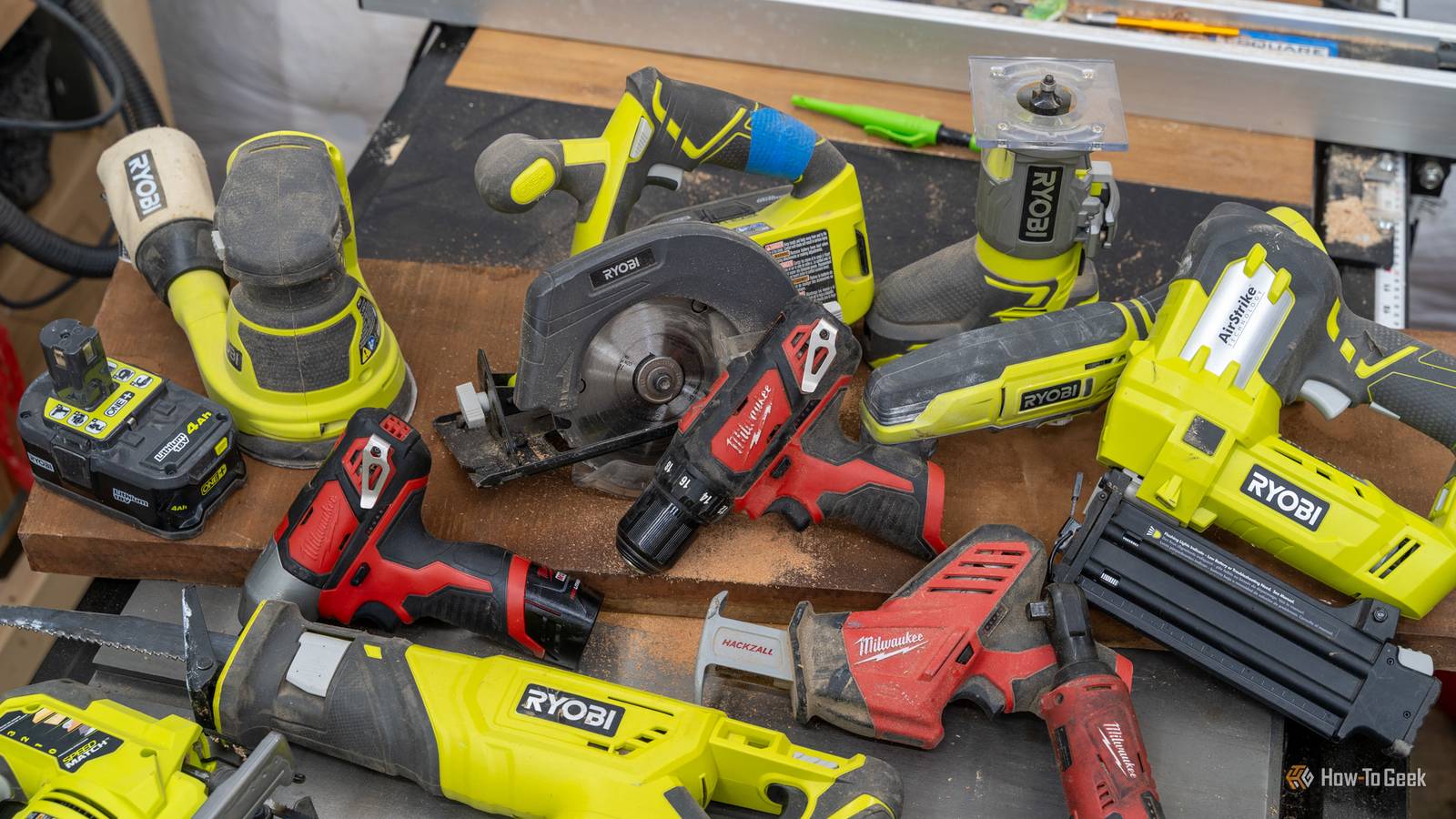
In his own professional-grade two-car garage workshop, Campanale has found a middle ground that balances performance with fiscal responsibility. By running a dual-platform system—leveraging Milwaukee’s M12 line alongside Ryobi’s 18V ONE+ ecosystem—he has developed a blueprint for how two seemingly disparate tool lines can not only coexist but thrive. The secret to this success lies in a simple, disciplined rule: every tool must have a specific purpose, and every platform must justify its footprint on the charging station.

The Tools I Reach for Often Are Almost Always Milwaukee
When it comes to the primary workhorses of a workshop—the drills, impact drivers, and fasteners that see daily use—the choice often comes down to ergonomics and refined power. For Campanale, these "front-line" tools are almost exclusively Milwaukee. Having spent a lifetime around power tools, including a childhood using his father’s Ryobi gear, the transition to Milwaukee’s 12V (M12) system was a deliberate move toward precision and comfort.
There is a common misconception in the tool world that higher voltage always equates to a better tool. While 18V and 20V systems certainly offer more raw power for heavy-duty construction, the 12V category has seen a massive technological surge in recent years. Milwaukee’s M12 line, in particular, has proven that compact tools can handle surprisingly large jobs. For a maker who spends hours in the shop—whether building custom furniture or working on high-end PC rigs—the weight and balance of a tool become paramount.
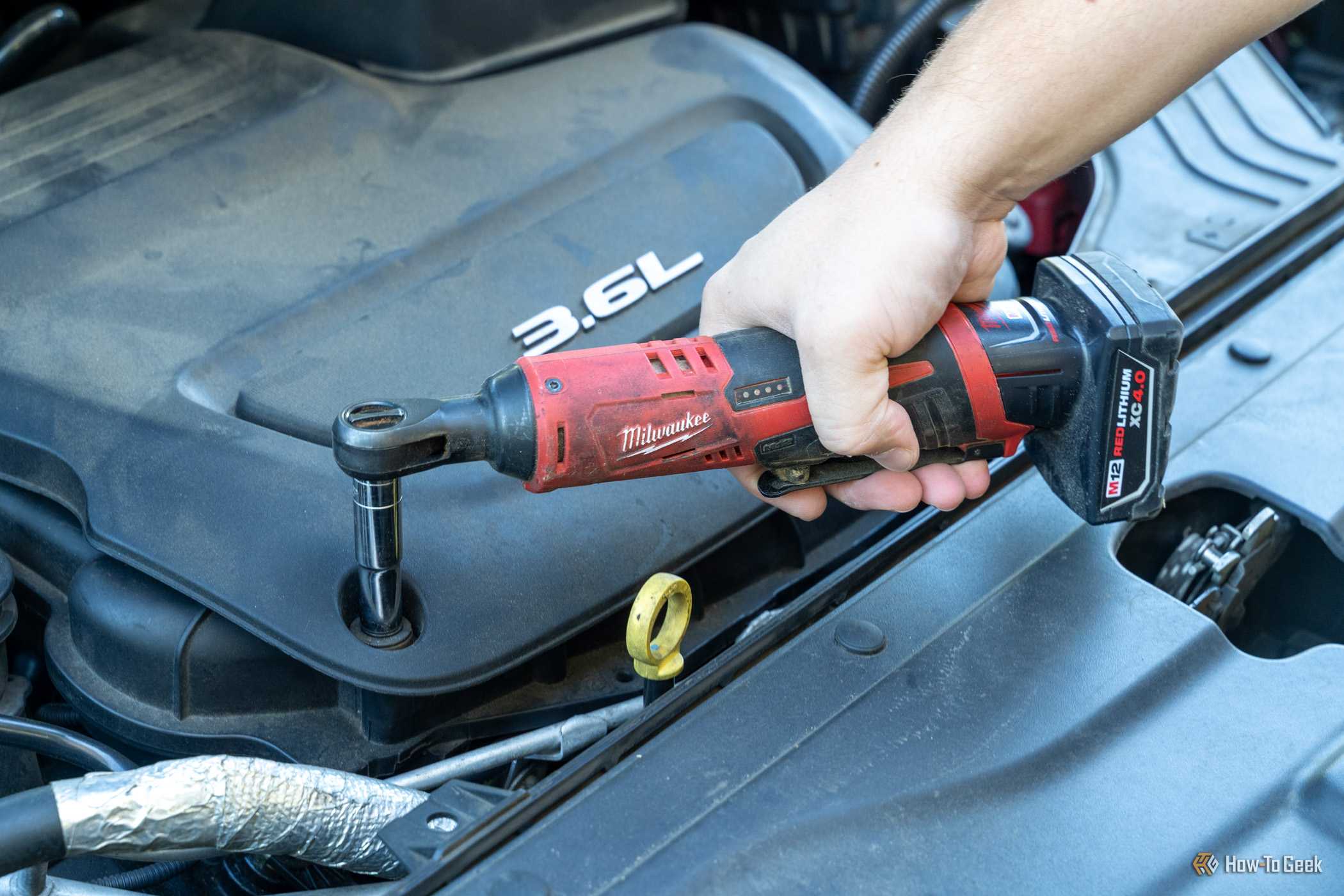
The Milwaukee M12 tools are favored in this dual-platform setup because they deliver a fantastic user experience without the added bulk of larger battery packs. They fit better in the hand, allow for easier access into tight corners, and reduce the physical fatigue that comes with repetitive tasks. Despite being "only" 12V, these tools provide the torque and power necessary for the vast majority of woodworking and shop tasks. They have proven their durability through significant abuse, holding up where lesser tools might have failed.
Furthermore, the choice of Milwaukee for the 12V slot is a matter of market availability. While Ryobi dominates the 18V consumer space, they lack a robust 12V ecosystem. Ryobi offers some 4V specialized tools, but their primary focus remains on the 18V, 40V, and 80V lines. For those who want the best-in-class performance in a compact form factor, Milwaukee’s M12 line occupies a niche that Ryobi simply doesn’t prioritize.
 Tech Tutorials & How-To Guides
The Unseen Ecosystem: Why Samsung’s Most Powerful One UI Features Remain Hidden to Most Users
In the hyper-competitive landscape of global smartphone manufacturing, Samsung Electronics has long...
 Tech Tutorials & How-To Guides
The Cost of Convenience: Analyzing the Value Proposition of Milwaukee’s M18 Cordless Lineup
In the modern landscape of construction and woodworking, the corded power tool...
 Tech Tutorials & How-To Guides
The Hidden Hazards of Pausing 3D Prints: Why Glitter and Sand Can Devastate Your Hardware
The ability to pause a 3D print mid-operation has long been celebrated...







