
In the fast-paced world of consumer electronics, it is often easy for technology enthusiasts and "geeks" to forget that they live within a specialized bubble. For those who follow every keynote and beta release, smart home technology is a familiar landscape—one they have been navigating for a decade or, in the case of early adopters of standards like X10, even longer. To this demographic, a smart light bulb or a connected thermostat is a basic utility, and the complexities of network protocols are merely part of the hobby.
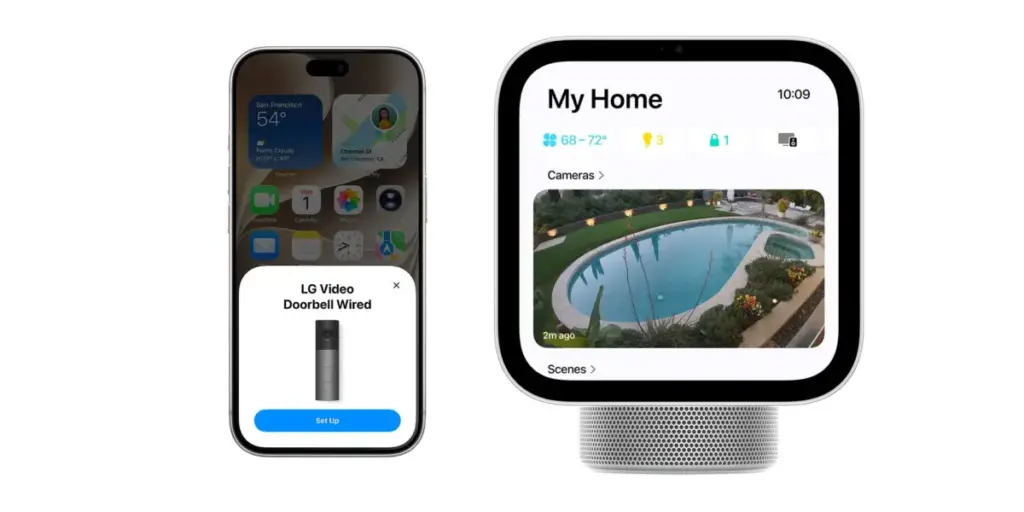
However, recent reactions to the unveiling of the Apple Home Collection—a new suite of smart home accessories developed in partnership with industry giants LG and Schneider—suggest a significant disconnect between the tech-savvy elite and the average consumer. Many critics have pointed to the collection with a sense of bewilderment, questioning why anyone would opt for devices that carry a premium price tag without seemingly offering a revolutionary new feature set. From a purely spec-driven perspective, these devices might appear redundant, but this viewpoint ignores the "bubble effect" that has long hindered the widespread adoption of home automation.
For the smart home to move beyond the enthusiast market and into the homes of the "normies"—those who simply want their technology to work without friction—the industry needs more than just better specs. It needs a fundamental shift in user experience. The Apple Home Collection appears to be the catalyst for that shift.
The Long Road from Soldering Irons to HomeKit
To understand why the Apple Home Collection is significant, one must look at the history of the smart home. In its infancy, automating a house was a task reserved for those with a background in electrical engineering or computer science. It involved a significant amount of manual labor, from soldering components to writing custom scripts to ensure that a motion sensor could communicate with a light fixture. It was a fragmented, hobbyist pursuit that required a high level of technical literacy.
The introduction of smartphone-controlled devices was the first major evolutionary step toward accessibility. Suddenly, users could control their homes via wireless signals rather than hardwired custom circuits. Yet, even this "modern" era was fraught with frustration. The early days of the smartphone-centric smart home were defined by a chaotic landscape of proprietary apps. If a user owned a Philips Hue light, a Ring doorbell, and a Nest thermostat, they were forced to jump between three different applications to manage their environment.
Apple’s introduction of HomeKit was an ambitious attempt to solve this fragmentation. The vision was clear: a unified platform where every device, regardless of the manufacturer, could be configured and controlled through a single interface—the Home app. HomeKit promised a seal of approval that guaranteed compatibility and, perhaps most importantly, integrated voice control via Siri.
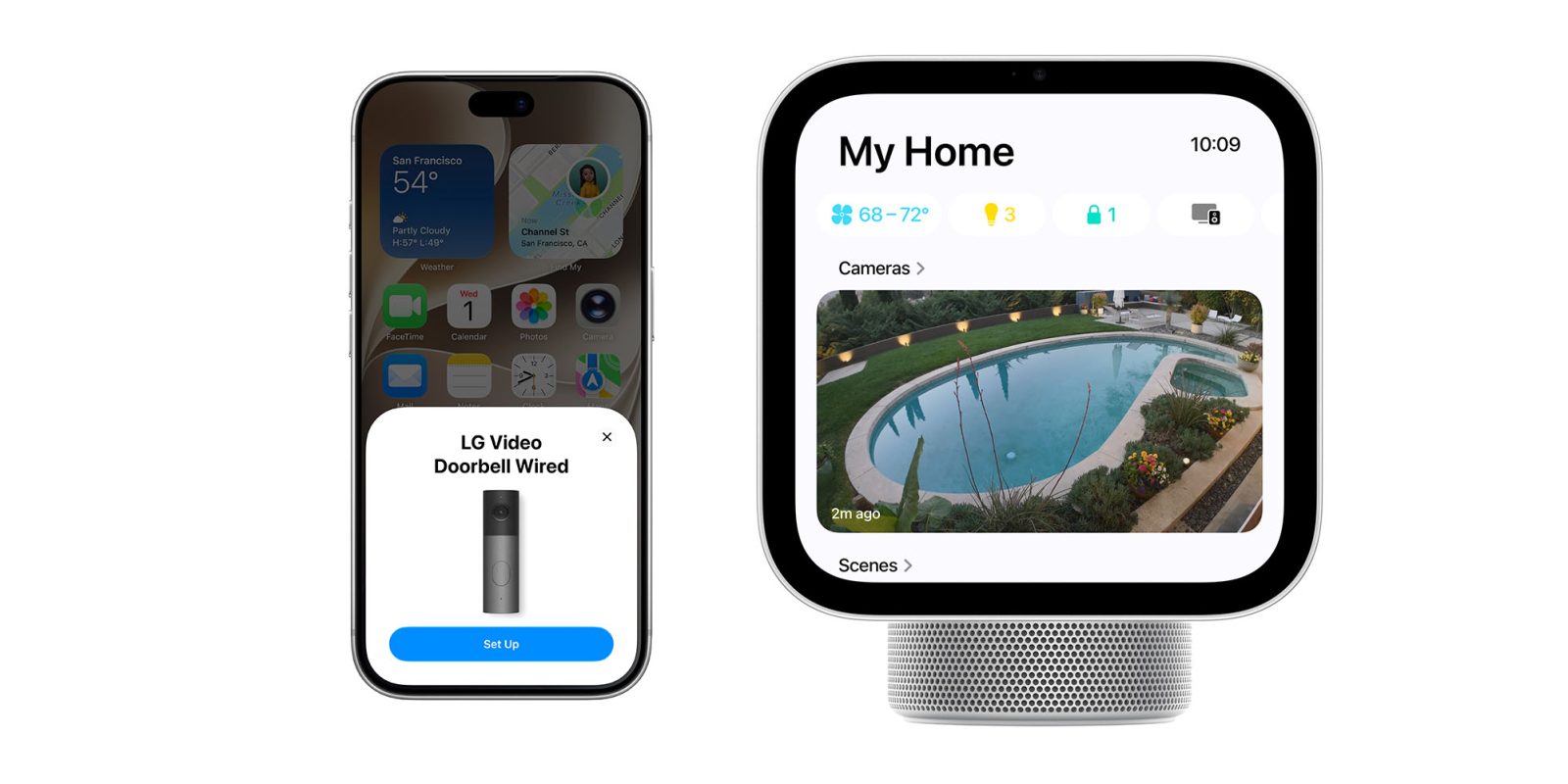
However, the reality of HomeKit often fell short of its lofty promises. Even with Apple’s oversight, the setup process frequently felt like an arduous chore. Many devices still required initial configuration through a third-party manufacturer’s app before they would even appear in the Home app. For the average user, setting up a "simple" smart plug could quickly devolve into a troubleshooting session that made them feel like an unpaid network engineer. Furthermore, because Apple maintained strict security and hardware requirements, many manufacturers bypassed HomeKit entirely, leading to a market dominated by the more permissive, though often less secure, ecosystems of Amazon Alexa and Google Home.
 Smart Home & IoT Solutions
Abode Expands Smart Home Ecosystem with New Apple Home-Compatible Outdoor and Garage Sensors
The landscape of DIY home security continues to evolve as homeowners seek...
 Smart Home & IoT Solutions
Apple Poised to Enter Smart Home Display Market with Design Inspired by Iconic iMac G4
In a move that signals a significant shift in its hardware strategy,...
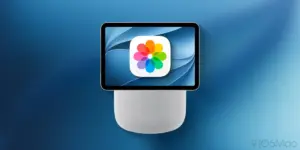 Smart Home & IoT Solutions
Apple Set to Unveil "HomeView" Smart Hub with iMac G4-Inspired Design and A18 Chip at Upcoming "Welcome Home" Event
Apple is preparing to make its most significant leap into the smart...






