
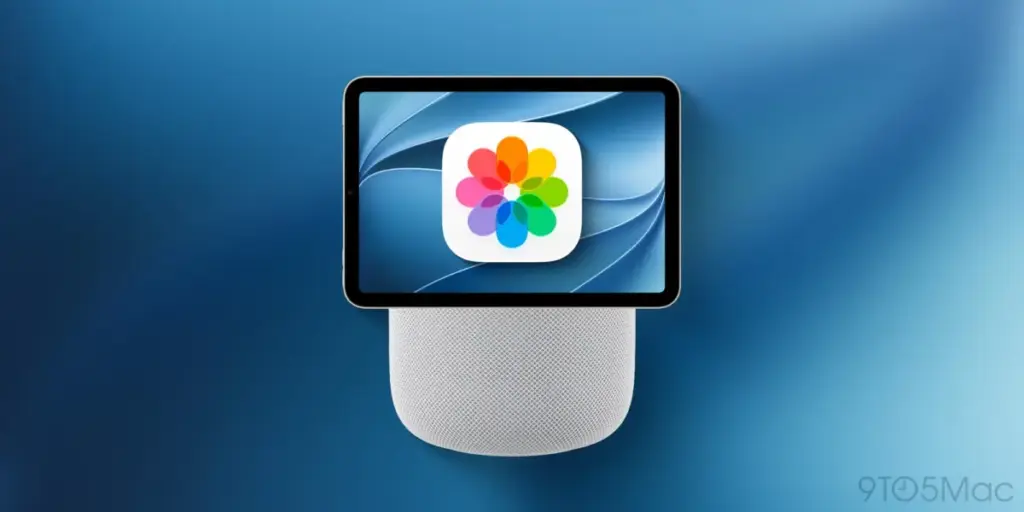
The HomeView is expected to be the centerpiece of a major hardware event scheduled for Tuesday, October 13. Under the theme "Welcome home," Apple is preparing to unveil a comprehensive vision for the future of domestic technology, positioning the HomeView not just as a new product, but as the primary interface for a revitalized smart home strategy. While the announcement is just days away, consumers may have to wait a bit longer to get their hands on the hardware; current reports suggest that the device will likely not reach store shelves until the middle of November, missing the initial wave of the October launch but arriving in time for the peak holiday shopping season.
The branding of the HomeView is a deliberate choice that places it alongside the existing HomePod lineup while carving out its own identity. While the HomePod has established itself as a premium smart speaker with a focus on high-fidelity audio, the HomeView is designed to prioritize visibility and glanceable information. The discovery of the "HomeView" trademark was first highlighted by MacRumors, providing the first concrete evidence of how Apple intends to market this new category of device. By using the "Home" prefix, Apple is reinforcing its commitment to the HomeKit ecosystem, ensuring that users recognize the device as the command center for their connected environment.
In terms of industrial design, Apple appears to be leaning into its own rich history of aesthetic innovation. The HomeView will reportedly feature a design that draws heavy inspiration from the iconic iMac G4. This "retro-modern" approach involves a floating display attached to a flexible arm, which sits atop a rounded speaker base. This design is not merely for nostalgia; the floating display allows for greater adjustability, making it easier for users to interact with the screen from different heights and angles, whether they are standing in a kitchen or sitting at a desk.
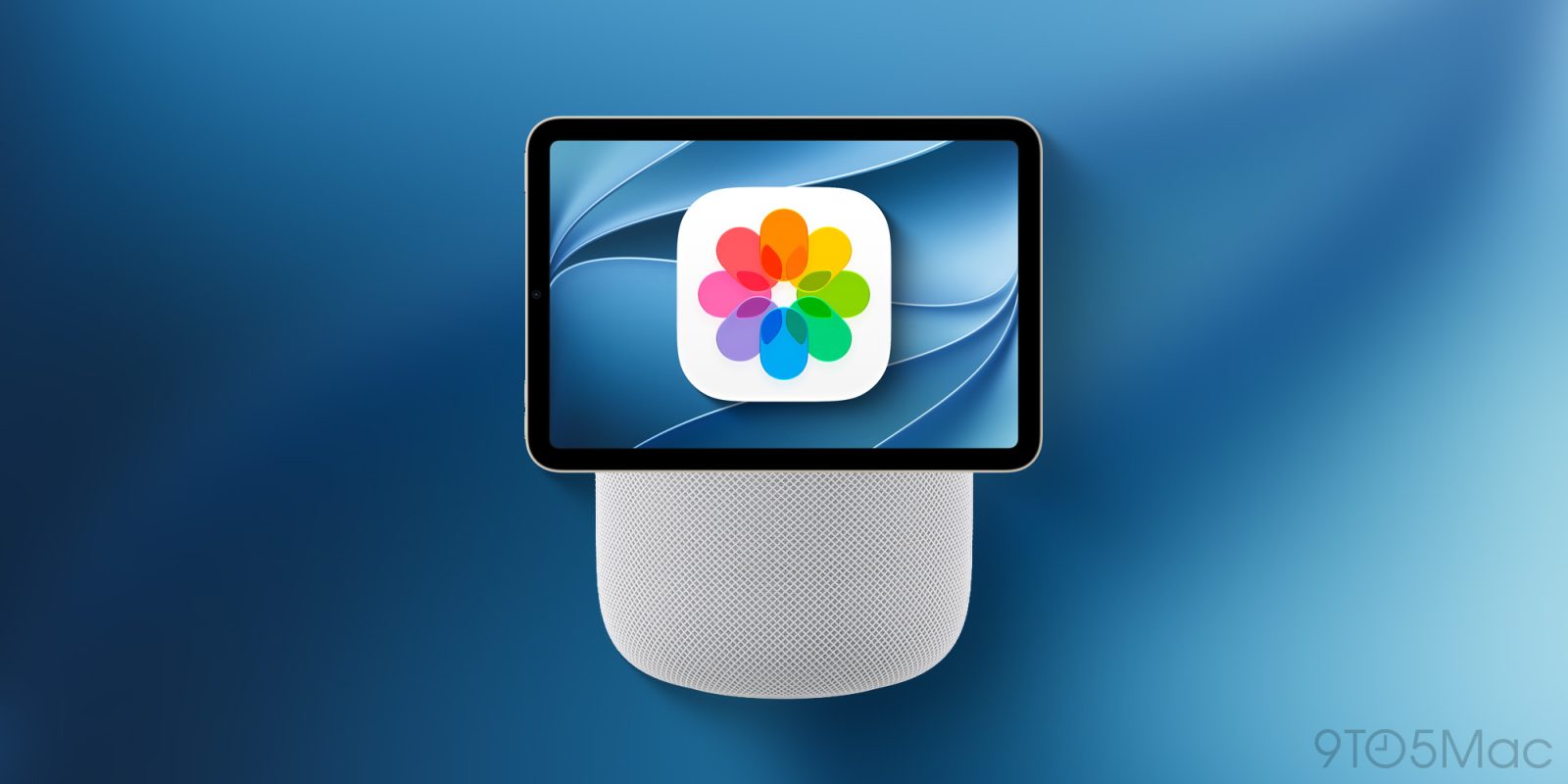
Powering this new experience is Apple’s A18 chip, the same high-performance silicon found in its latest mobile devices. The inclusion of the A18 is a significant indicator of Apple’s ambitions for the HomeView. Rather than using a lower-power processor typical of many smart displays, the A18 ensures that the device has the computational overhead required to handle advanced artificial intelligence tasks. This is particularly relevant as Apple continues to roll out "Apple Intelligence," its suite of generative AI features. On the HomeView, the A18 will likely facilitate faster Siri responses, more accurate voice recognition, and the ability to process complex automation requests locally on the device, rather than relying entirely on the cloud.
 Smart Home & IoT Solutions
Apple Poised for Major Smart Home Overhaul as Apple Intelligence Breaks Siri Development Bottleneck
For several years, Apple’s presence in the smart home market has felt...
 Smart Home & IoT Solutions
The Apple Home Collection: Why Seamless Integration Could Finally Drive Mass Market Smart Home Adoption
In the rapidly evolving world of consumer technology, it is often difficult...
 Smart Home & IoT Solutions
Apple Set to Unveil "HomeView" Smart Hub with iMac G4-Inspired Design and A18 Chip at Upcoming "Welcome Home" Event
Apple is preparing to make its most significant leap into the smart...







