
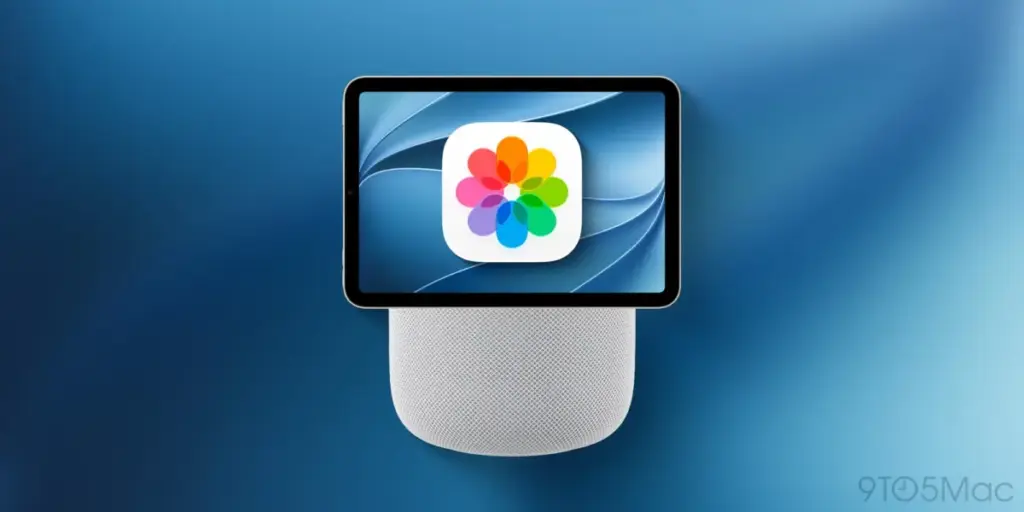
The HomeView is expected to be the centerpiece of a major hardware event scheduled for Tuesday, October 13. Under the theme "Welcome home," Apple is preparing to unveil a comprehensive vision for the future of domestic technology, positioning the HomeView not just as a new product, but as the primary interface for a revitalized smart home strategy. While the announcement is just days away, consumers may have to wait a bit longer to get their hands on the hardware; current reports suggest that the device will likely not reach store shelves until the middle of November, missing the initial wave of the October launch but arriving in time for the peak holiday shopping season.
The branding of the HomeView is a deliberate choice that places it alongside the existing HomePod lineup while carving out its own identity. While the HomePod has established itself as a premium smart speaker with a focus on high-fidelity audio, the HomeView is designed to prioritize visibility and glanceable information. The discovery of the "HomeView" trademark was first highlighted by MacRumors, providing the first concrete evidence of how Apple intends to market this new category of device. By using the "Home" prefix, Apple is reinforcing its commitment to the HomeKit ecosystem, ensuring that users recognize the device as the command center for their connected environment.
In terms of industrial design, Apple appears to be leaning into its own rich history of aesthetic innovation. The HomeView will reportedly feature a design that draws heavy inspiration from the iconic iMac G4. This "retro-modern" approach involves a floating display attached to a flexible arm, which sits atop a rounded speaker base. This design is not merely for nostalgia; the floating display allows for greater adjustability, making it easier for users to interact with the screen from different heights and angles, whether they are standing in a kitchen or sitting at a desk.
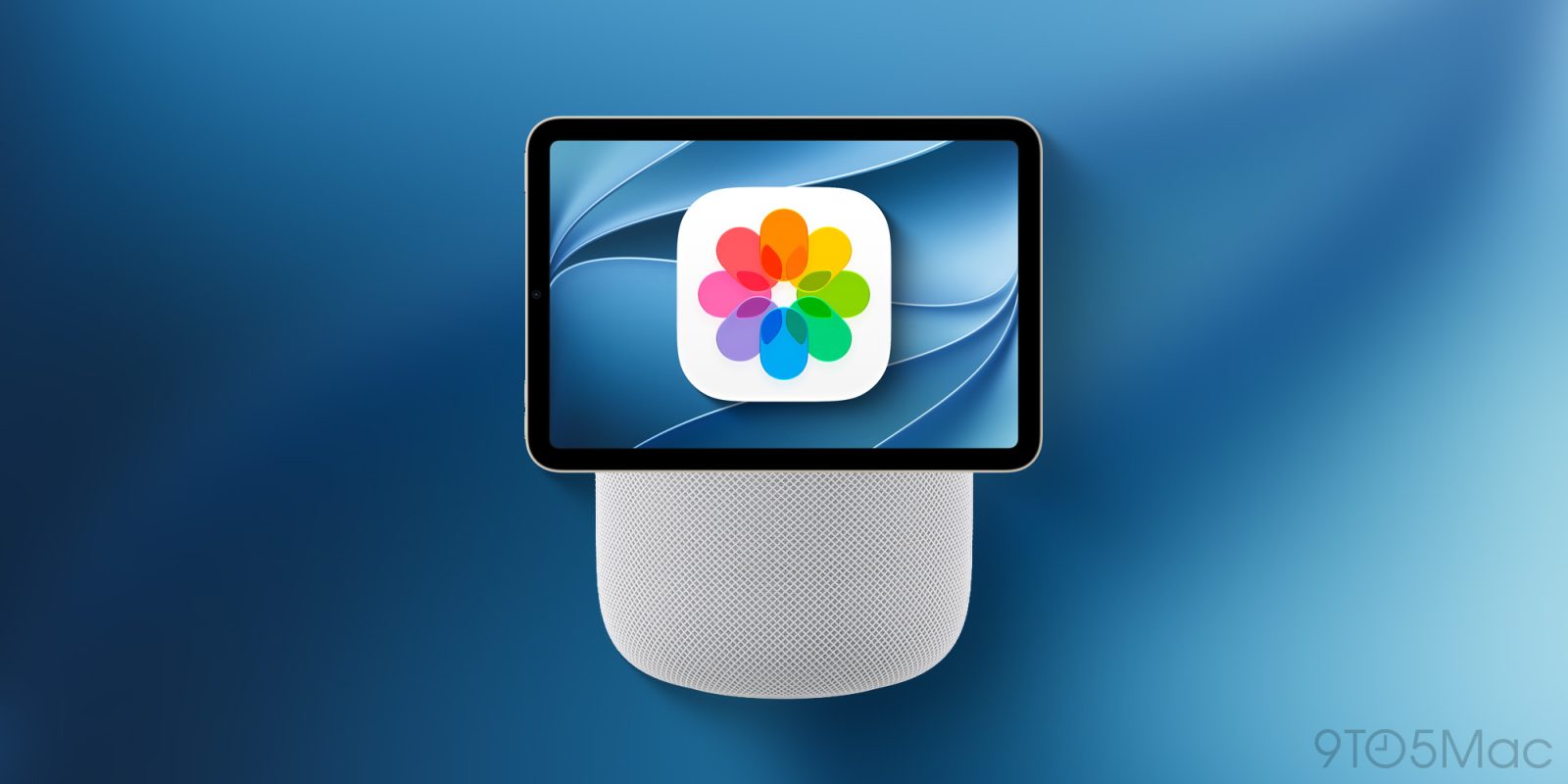
Powering this new experience is Apple’s A18 chip, the same high-performance silicon found in its latest mobile devices. The inclusion of the A18 is a significant indicator of Apple’s ambitions for the HomeView. Rather than using a lower-power processor typical of many smart displays, the A18 ensures that the device has the computational overhead required to handle advanced artificial intelligence tasks. This is particularly relevant as Apple continues to roll out "Apple Intelligence," its suite of generative AI features. On the HomeView, the A18 will likely facilitate faster Siri responses, more accurate voice recognition, and the ability to process complex automation requests locally on the device, rather than relying entirely on the cloud.
To cater to different home layouts, Apple is reportedly planning two distinct physical configurations for the HomeView. The primary model features the aforementioned speaker base, which is expected to provide high-quality audio output similar to the HomePod mini, if not better. This version will be offered in a variety of colors to match different interior decors, including space gray, silver, starlight, and a more vibrant pink option. For users who prefer a more integrated look, Apple is also readying a wall-mountable version. This model will feature a square base designed to sit flush against a wall, though it will be more limited in its aesthetic options, reportedly launching only in monochrome silver and space gray.
The user interface of the HomeView represents a departure from the touch-heavy experience of the iPad. While the device features a screen, Apple is positioning voice as the primary method of interaction. Siri will be the "centerpiece" of the user experience, acting as a proactive assistant that can be summoned from across the room. The "View" in HomeView refers to the device’s ability to display relevant content that can be easily read or interpreted at a distance. This includes smart home controls, weather updates, calendar appointments, and security camera feeds.
Interestingly, the HomeView will not feature a dedicated App Store at launch. Instead, it will run a specialized version of Apple’s operating software pre-loaded with core Apple apps optimized for a home hub environment. This decision suggests that Apple wants to keep the device focused on utility and home management rather than general-purpose computing. However, Apple is reportedly including a feature that allows users to project third-party app widgets from a nearby iPhone onto the HomeView screen. This provides a bridge for third-party integration without the complexity of managing a separate app ecosystem on the hub itself.

The introduction of the HomeView is only one part of a broader "Welcome home" initiative. Apple is also expected to refresh its existing home hardware to ensure the entire lineup feels cohesive. This includes updated versions of the Apple TV set-top box and the HomePod mini. While the details of these refreshes remain under wraps, they are expected to include internal spec bumps to improve connectivity and processing speed, likely incorporating newer wireless standards to enhance the stability of a smart home network.
Perhaps most significantly, Apple is looking beyond its own hardware to build a more robust ecosystem. The company has reportedly entered into partnerships with major appliance manufacturers, including LG, to ensure a wide range of third-party accessories are ready for the HomeView launch. This collaboration is aimed at creating a seamless experience for smart thermostats, door locks, and doorbells. By working closely with partners, Apple hopes to solve one of the persistent pain points of the smart home: the difficulty of getting devices from different manufacturers to work together reliably. These accessories will likely support the Matter standard, which Apple has championed as a way to increase interoperability across the industry.
The timing of this announcement is critical for Apple. For years, the company has trailed behind Amazon and Google in the smart display market. The Amazon Echo Show and Google Nest Hub have long dominated the space, offering users a visual way to manage their homes and consume content. Apple’s entry into this market with the HomeView suggests that the company finally believes it has a hardware and software combination—bolstered by its recent advancements in AI—that can offer a superior alternative.
By focusing on privacy, which has long been a cornerstone of Apple’s brand, and leveraging the power of the A18 chip for on-device processing, Apple is positioning the HomeView as a more secure and responsive option for the privacy-conscious consumer. The "Welcome home" event on Tuesday will be the first opportunity for the public to see how these various elements come together. With a high-end design, powerful internal hardware, and a focus on Siri-led interaction, the HomeView is set to be Apple’s most ambitious attempt yet to capture the center of the digital home.

As the October 13 event approaches, the tech industry is watching closely to see if Apple can successfully translate its success in the mobile and desktop spaces into a dominant position in the home. The mid-November release date gives Apple a narrow window to capture the interest of early adopters before the end of the year. If the HomeView performs as expected, it could redefine the way users interact with their living spaces, turning the "smart home" from a collection of disparate gadgets into a unified, intelligent environment. Full coverage of the "Welcome home" event and the official unveiling of the HomeView will follow as Apple takes the stage this Tuesday.
 Smart Home & IoT Solutions
Apple Prepares Major Smart Home Overhaul as Apple Intelligence Breathes New Life into Siri
For several years, Apple’s presence in the smart home market has been...
 Smart Home & IoT Solutions
Abode Expands Smart Home Security Ecosystem with New Apple Home-Compatible Garage and Outdoor Sensors
In an era where the boundary between professional-grade security and do-it-yourself convenience...
 Smart Home & IoT Solutions
Apple Home Ecosystem Evolves as iOS 26 Cycle Sets the Stage for Major Siri Overhaul
The smart home landscape is currently standing at a significant crossroads, positioned...







