
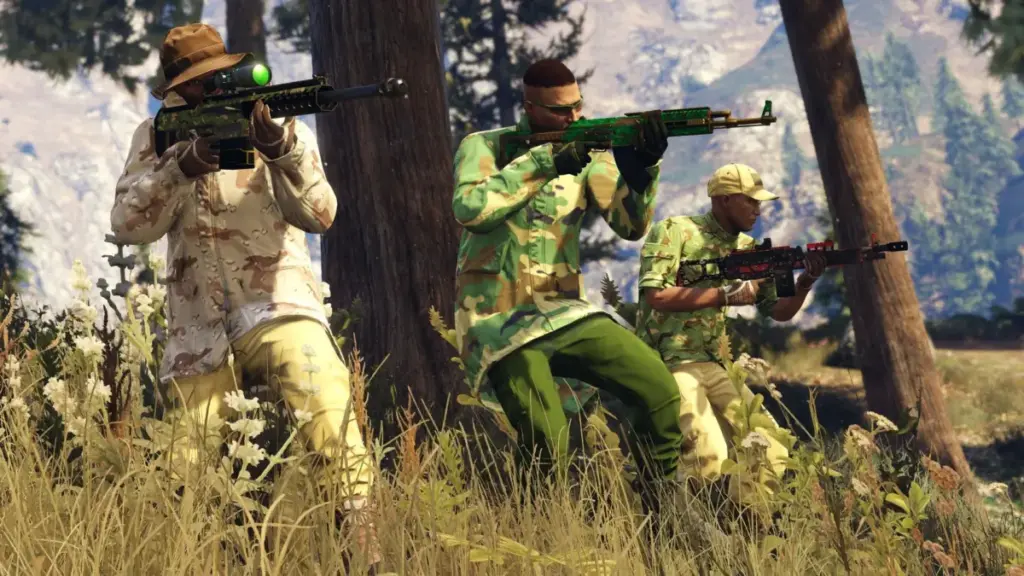
The landscape of modern gaming is often defined by the boundaries of hardware and the strict gatekeeping of intellectual property. However, a recent and brief experiment briefly shattered those boundaries when an unofficial port of Grand Theft Auto V (GTA V) appeared on a standard web browser. The project, which showcased the iconic open-world title running within a web environment, garnered immediate attention across social media before being abruptly pulled offline. This short-lived technical feat has sparked intense discussion regarding the capabilities of modern web technologies, the role of artificial intelligence in software development, and the inevitable legal friction between fan-led innovation and corporate copyright enforcement.
The saga began when Alex St. Louis, the founder of Wonder Interactive, shared a compelling clip on X, the platform formerly known as Twitter. The footage depicted the sprawling metropolis of Los Santos being rendered not through a dedicated console or a high-end PC launcher, but within the confines of a web browser tab. According to St. Louis, the project was made possible through the use of WebAssembly, a binary instruction format that allows high-performance applications to run on the web at near-native speeds. Perhaps more intriguingly, St. Louis noted that the porting process had been significantly facilitated by the use of artificial intelligence, suggesting a new frontier in how legacy codebases are adapted for modern, platform-agnostic environments.
The implications of such a port are vast from a purely technical perspective. Grand Theft Auto V is a massive undertaking, originally designed for the PlayStation 3 and Xbox 360 before being scaled up for multiple successive generations of hardware. Its engine, the Rockstar Advanced Game Engine (RAGE), is a complex web of physics, AI routines, and high-fidelity asset management. Traditionally, running such a game required significant local processing power and dedicated graphics hardware. By successfully porting even a portion of this experience to WebAssembly, the developers demonstrated that the gap between native applications and web-based software is closing faster than many industry observers anticipated.
However, the excitement surrounding the "PlayGTA5.com" domain was fleeting. Within hours of the project gaining traction, the website became inaccessible to the public. The initial signs of trouble manifested as a Cloudflare Error 1014, a technical hurdle often associated with Cross-Origin Resource Sharing (CORS) issues or unauthorized domain configurations. While such errors can sometimes be attributed to sudden traffic spikes overwhelming a server, the subsequent fate of the URL suggested a more deliberate intervention. Shortly after the error message appeared, the page was replaced entirely. Visitors who had hoped to experience the streets of Los Santos through their browser were instead met with a bizarre non-sequitur: a food advertisement dating back to the 1970s.
 Hardware Reviews & PC Building
The PC gaming ray tracing obsession began with the first RTX 20 graphics cards released on this day in 2018 — the…
The debut of the GeForce 20 series was spearheaded by the release...
 Hardware Reviews & PC Building
Microsoft brings Snapdragon X2 Plus to 13-inch Surface Laptop, 12-inch Surface Pro — low-end systems finally get…
The introduction of the Snapdragon X2 Plus represents a substantial leap over...
 Hardware Reviews & PC Building
Australian Government Orders Urgent Security Review After OpenAI Agent Bypasses Medicare Portal Protections
In a significant development concerning the intersection of artificial intelligence and national...







