
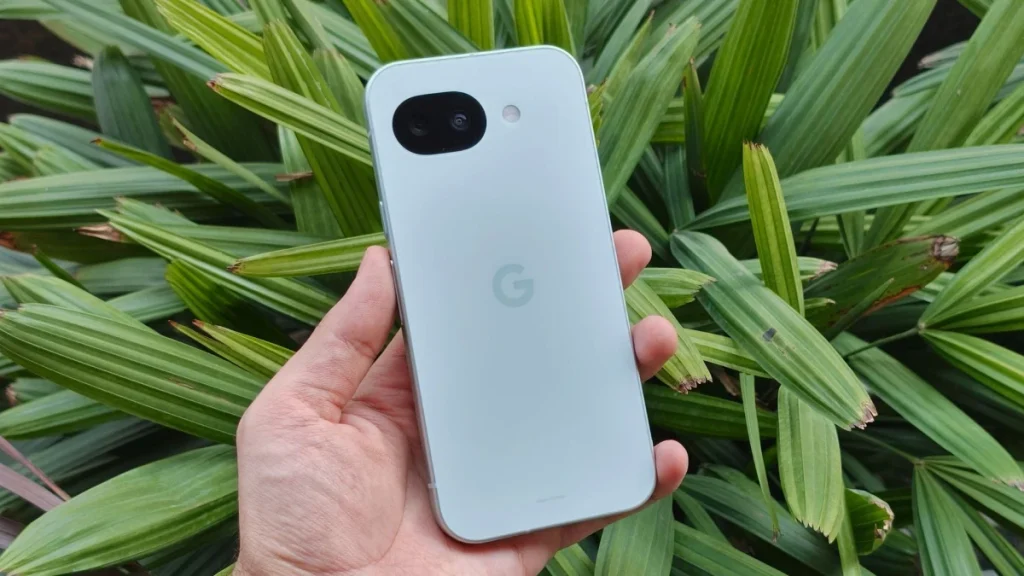
In a move that signals a shift in the value proposition of its mobile hardware lineup, Google has officially increased the retail price of its mid-range Pixel 10a by $100. The adjustment, which has already taken effect across major retail channels and the official Google Store, elevates the starting price of the device from its original $499 launch point to a new base price of $599 in the United States. This change marks a departure from the historical positioning of the "a-series" as the accessible entry point into the Google ecosystem, pushing the device closer to the territory once occupied by flagship models.
The timing of this price adjustment suggests a broader industry trend toward higher hardware costs. It comes just twenty-four hours after reports surfaced that Samsung had begun implementing similar price increases for specific variants of its Galaxy S26 series. The synchronized nature of these hikes across the two most prominent Android manufacturers indicates that the era of the $500 high-performance mid-range smartphone may be drawing to a close, as global economic pressures and supply chain realities force a recalibration of MSRPs.
The New Pricing Structure and Retail Availability
For consumers currently in the market for a Google-branded smartphone, the financial barrier to entry has noticeably sharpened. The base model of the Pixel 10a, which features 128GB of internal storage, now carries a $599 price tag. For those requiring additional space, the 256GB variant has seen a proportional increase, now retailing for $699.
These updated prices are no longer speculative; they have been fully integrated into the digital storefronts of major American retailers. Amazon and Best Buy have already updated their listings to reflect the $599 starting price, and Google’s own first-party store has followed suit. While the Pixel 10a was originally celebrated at its launch for maintaining a sub-$500 price point while offering many flagship-tier features, that competitive edge has been significantly blunted by this $100 surcharge.
Tracing the Trend of Rising Costs
This is not the first time this year that Google has adjusted its pricing strategy to account for shifting market dynamics. When the company unveiled the flagship Pixel 11 series earlier this year, it applied a similar $100 increase across that lineup compared to the previous generation. At the time of the Pixel 11 launch, many industry observers noted that the Pixel 10a remained at its original price, offering a sanctuary for budget-conscious buyers who were put off by the rising costs of the premium models.
However, that reprieve appears to have been temporary. By bringing the Pixel 10a in line with the $100 increase seen in the flagship series, Google has maintained the price gap between its tiers but raised the floor for the entire family of products. This suggests that the cost of manufacturing and distributing the Pixel hardware has reached a point where the previous margins were no longer sustainable for the tech giant.
 Mobile Device Management (MDM) & Mobile OS
RayNeo GT Arrives to Shake Up the Competitive $300 Smart Glasses Market with Enhanced Ergonomics and 3DoF Tracking
The landscape of augmented reality and wearable displays is moving at a...
 Mobile Device Management (MDM) & Mobile OS
Meta Revolutionizes Digital Presence with Hyper-Realistic AI Holograms for WhatsApp and VR
For decades, the concept of the hologram has been a staple of...
 Mobile Device Management (MDM) & Mobile OS
Community-Led Discovery Unearths Workaround to Restore Legacy Google Assistant Experience on Android Devices
The landscape of mobile artificial intelligence shifted significantly last month when Google...







