
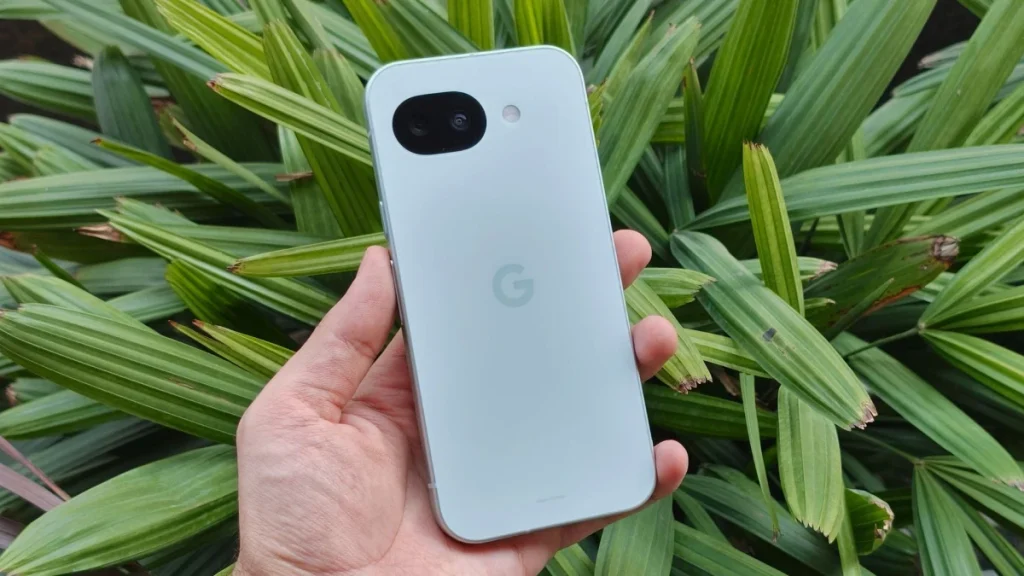
In a move that signals a shift in the value proposition of its mobile hardware lineup, Google has officially increased the retail price of its mid-range Pixel 10a by $100. The adjustment, which has already taken effect across major retail channels and the official Google Store, elevates the starting price of the device from its original $499 launch point to a new base price of $599 in the United States. This change marks a departure from the historical positioning of the "a-series" as the accessible entry point into the Google ecosystem, pushing the device closer to the territory once occupied by flagship models.
The timing of this price adjustment suggests a broader industry trend toward higher hardware costs. It comes just twenty-four hours after reports surfaced that Samsung had begun implementing similar price increases for specific variants of its Galaxy S26 series. The synchronized nature of these hikes across the two most prominent Android manufacturers indicates that the era of the $500 high-performance mid-range smartphone may be drawing to a close, as global economic pressures and supply chain realities force a recalibration of MSRPs.
The New Pricing Structure and Retail Availability
For consumers currently in the market for a Google-branded smartphone, the financial barrier to entry has noticeably sharpened. The base model of the Pixel 10a, which features 128GB of internal storage, now carries a $599 price tag. For those requiring additional space, the 256GB variant has seen a proportional increase, now retailing for $699.
These updated prices are no longer speculative; they have been fully integrated into the digital storefronts of major American retailers. Amazon and Best Buy have already updated their listings to reflect the $599 starting price, and Google’s own first-party store has followed suit. While the Pixel 10a was originally celebrated at its launch for maintaining a sub-$500 price point while offering many flagship-tier features, that competitive edge has been significantly blunted by this $100 surcharge.
Tracing the Trend of Rising Costs
This is not the first time this year that Google has adjusted its pricing strategy to account for shifting market dynamics. When the company unveiled the flagship Pixel 11 series earlier this year, it applied a similar $100 increase across that lineup compared to the previous generation. At the time of the Pixel 11 launch, many industry observers noted that the Pixel 10a remained at its original price, offering a sanctuary for budget-conscious buyers who were put off by the rising costs of the premium models.
However, that reprieve appears to have been temporary. By bringing the Pixel 10a in line with the $100 increase seen in the flagship series, Google has maintained the price gap between its tiers but raised the floor for the entire family of products. This suggests that the cost of manufacturing and distributing the Pixel hardware has reached a point where the previous margins were no longer sustainable for the tech giant.
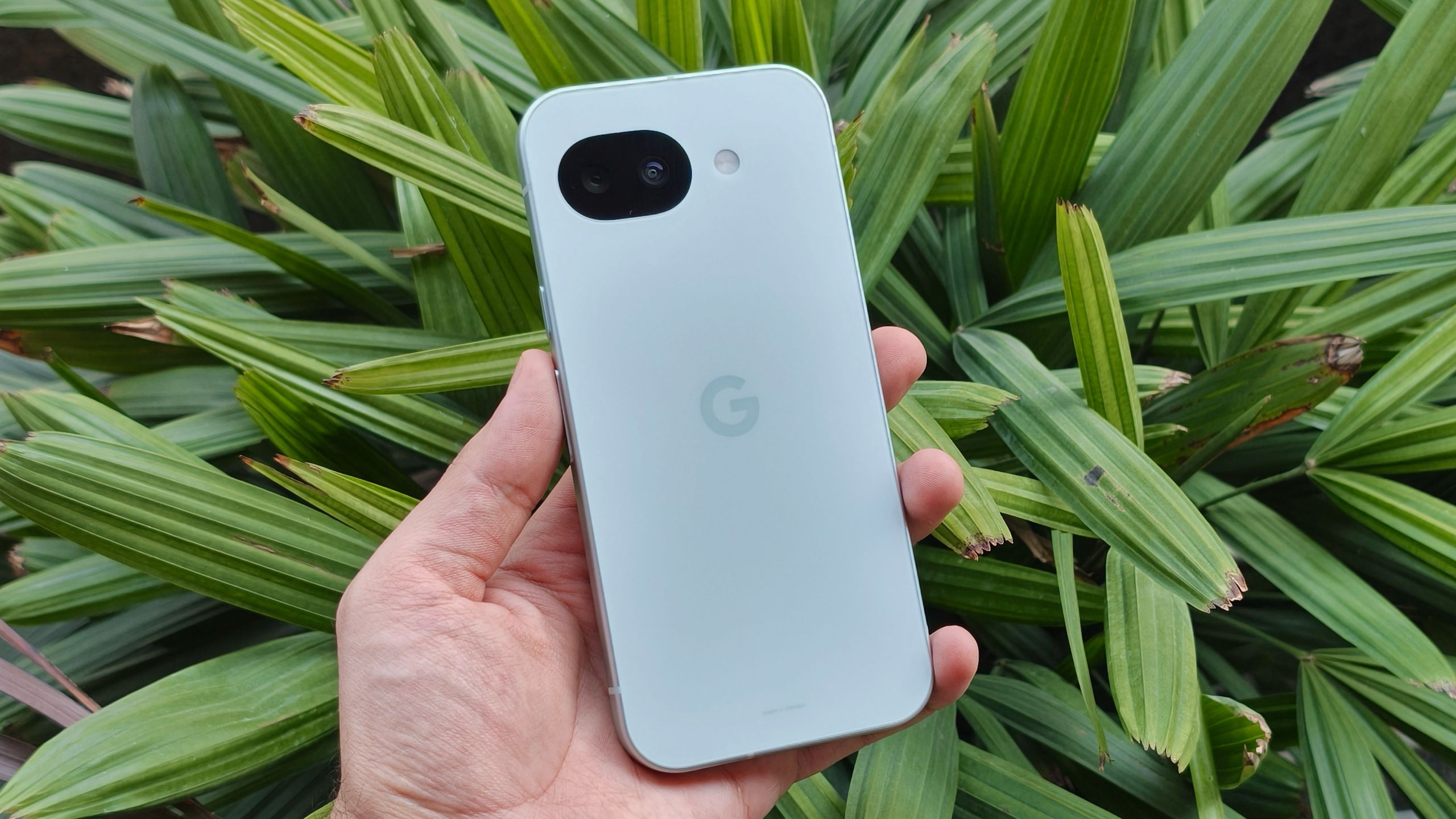
While Google has not released a formal statement detailing the specific motivations behind this mid-cycle price hike, the broader tech industry provides ample clues. The cost of essential components—most notably semi-conductors, high-speed RAM, and NAND flash storage—has remained volatile and generally on an upward trajectory. As smartphones become more sophisticated, even "budget" models require high-quality components to support modern features like advanced AI processing and high-refresh-rate displays, leaving manufacturers with little room to absorb rising costs.
Hardware Value and the Tensor G4 Factor
The $100 price increase is particularly noteworthy when examining the internal specifications of the Pixel 10a. Unlike a new generational launch where a price hike is often justified by a leap in processing power or a complete design overhaul, the Pixel 10a remains the same device that was available for $499 just weeks ago.
At the heart of the device is the Tensor G4 processor. This is the same silicon that debuted with the flagship Pixel 9 series in late 2024. While the Tensor G4 is a highly capable chip, optimized specifically for Google’s suite of artificial intelligence features and machine learning tasks, it is no longer the newest architecture in Google’s stable following the release of the Pixel 11. For consumers, the prospect of paying $599 for a device powered by year-old flagship silicon—especially one that was recently $100 cheaper—presents a challenging value proposition.
Despite the aging processor, Google did introduce several meaningful upgrades with the 10a that were intended to bridge the gap between the mid-range and the premium tiers. These include an improved wireless charging system, which offers faster speeds and better thermal management than previous "a-series" iterations. Furthermore, Google integrated satellite connectivity into the 10a, a feature that was once exclusive to the most expensive handsets on the market. This emergency SOS capability via satellite provides a safety net for users in areas without cellular coverage, representing a significant engineering investment for a mid-range device.
Market Context and the Mid-Range Struggle
The "mid-range" segment of the smartphone market has historically been defined by the $400 to $500 price bracket. At $599, the Pixel 10a begins to overlap with discounted flagships from the previous year or base-model flagships from aggressive competitors. This price creep is a symptom of a larger issue facing the industry: as the gap in features between mid-range and flagship phones narrows, the gap in price is also closing.
When the first Pixel "a" devices were introduced, they were heralded for bringing "flagship cameras" to the masses at a fraction of the cost. While the Pixel 10a still boasts an impressive camera system and the clean software experience that fans of the brand expect, the $599 price point places it in a different competitive tier. It now competes directly with a wider array of devices, including high-spec offerings from Chinese manufacturers in international markets and increasingly affordable entry-level models from other major brands.
The decision to raise prices mid-cycle is relatively rare in the smartphone world, where prices typically trend downward as a device ages. Typically, manufacturers use discounts and promotions to maintain sales momentum as a phone moves further away from its launch date. Google’s decision to move in the opposite direction suggests that the external economic pressures—be they inflation, logistics costs, or component shortages—have outweighed the traditional marketing strategy of price depreciation.
The Impact on Consumer Choice
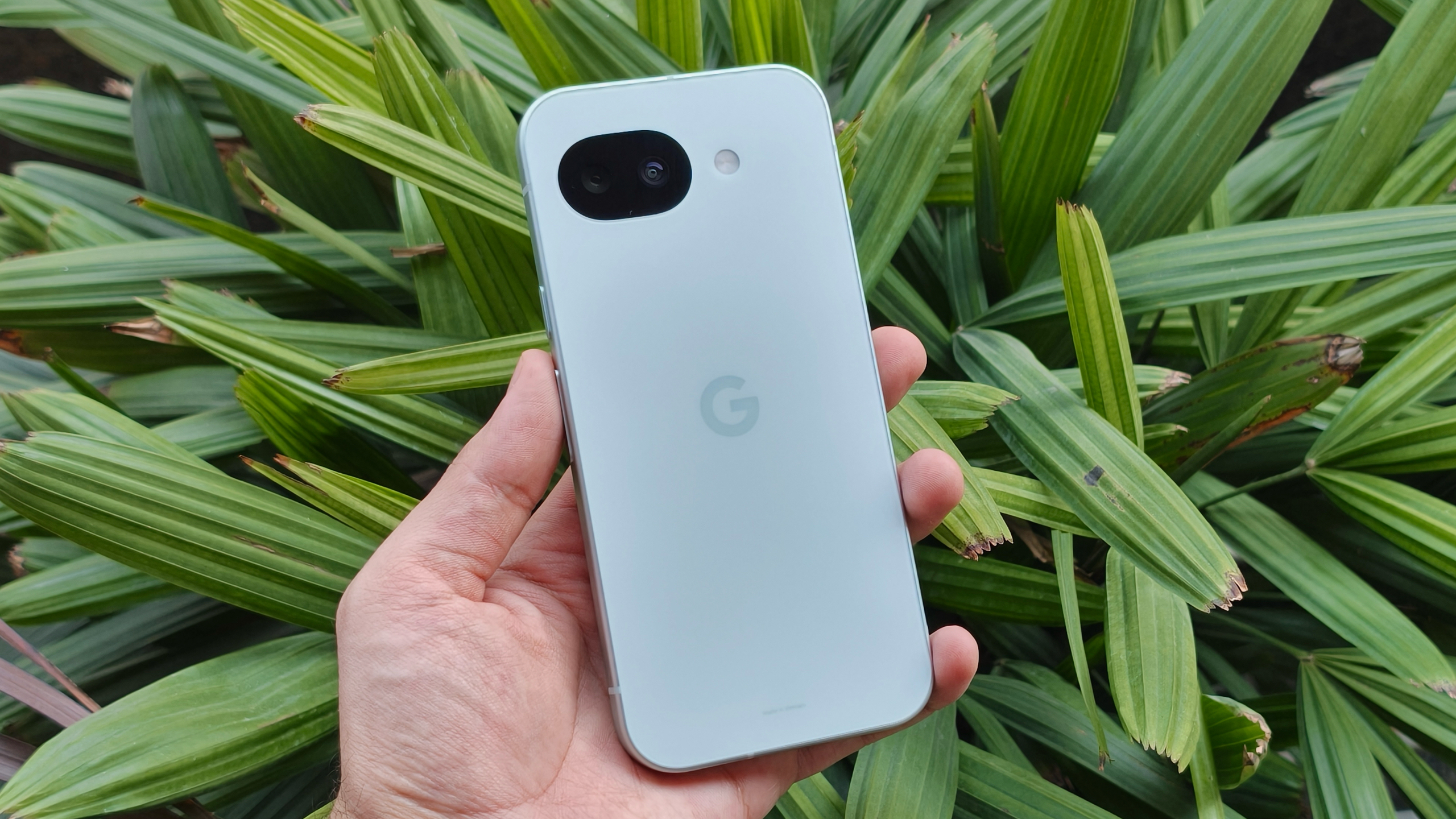
For the average consumer, the Pixel 10a’s price hike complicates the buying process. At $499, the phone was an easy recommendation for anyone wanting a reliable, high-quality camera and long-term software support without breaking the $500 barrier. At $599, the decision requires more deliberation. Potential buyers may now find themselves looking toward the flagship Pixel 11 during sale periods, as the price difference between the "budget" model and the "premium" model has narrowed to the point where a small additional investment might yield a significantly better display, build quality, and camera array.
Furthermore, the rise in memory and RAM costs mentioned by industry analysts suggests that we may see similar moves from other manufacturers in the coming months. If the cost of the raw materials required to build a modern smartphone continues to climb, the industry may be forced to redefine what "affordable" means.
Looking Ahead
As the Pixel 10a settles into its new $599 price point, the focus will likely shift to how Google intends to position its future hardware. With the Pixel 11 already established at a higher price and the 10a following suit, the groundwork is being laid for a more expensive mobile portfolio across the board.
For now, the Pixel 10a remains a robust option for those who prioritize Google’s software vision and photographic processing. It continues to offer a compelling mix of AI-driven features, guaranteed software updates for years to come, and the unique security benefits of the Titan M2 security chip. However, the "a-series" identity as the ultimate bargain in the Android world has been fundamentally altered.
Consumers looking to purchase the Pixel 10a at its new price will still find a device that excels in daily tasks and captures some of the best still images in its class. Whether the addition of satellite connectivity and the reliability of the Tensor G4 are enough to justify the new $599 entry fee is a question that each buyer will have to answer based on their own budget and needs. What is clear, however, is that the landscape of the American smartphone market is becoming increasingly expensive, and even the most value-oriented brands are not immune to the rising tide of global manufacturing costs.
 Mobile Device Management (MDM) & Mobile OS
Meowdoku: How a Cat-Themed Logic Puzzle Became a Viral Sensation Despite an Exhausting Ad Experience
In the modern digital landscape, the mobile gaming market is increasingly saturated...
 Mobile Device Management (MDM) & Mobile OS
Samsung Reportedly Developing ‘Galaxy Studio’ Over-Ear Headphones to Challenge Apple and Sony
The landscape of the premium audio market has long been defined by...
 Mobile Device Management (MDM) & Mobile OS
Samsung’s Foray into the Googlebook Era: Leaked Benchmarks Reveal Snapdragon X Elite Power and Android 17 Integration
The landscape of portable computing is undergoing its most significant transformation in...







