
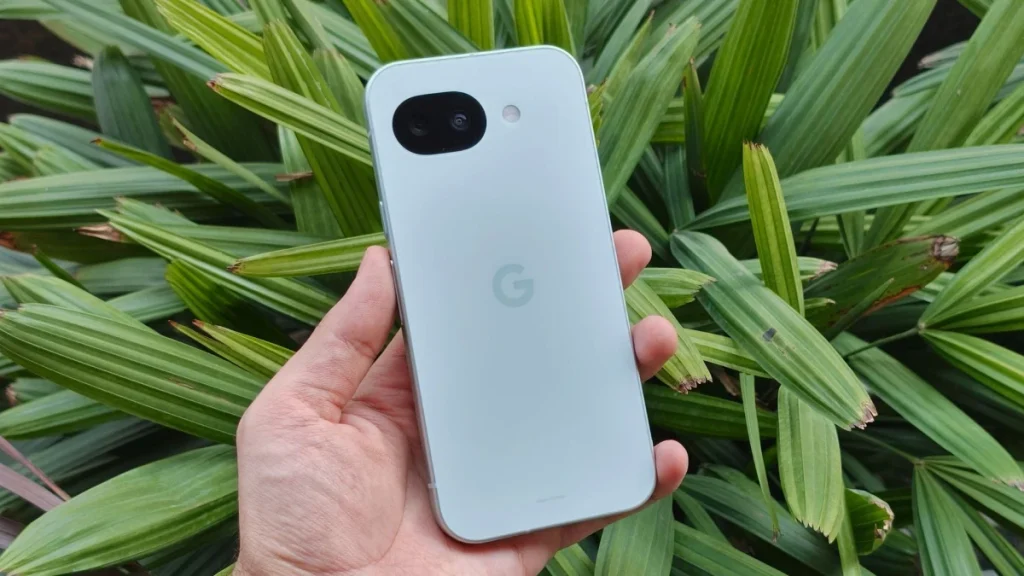
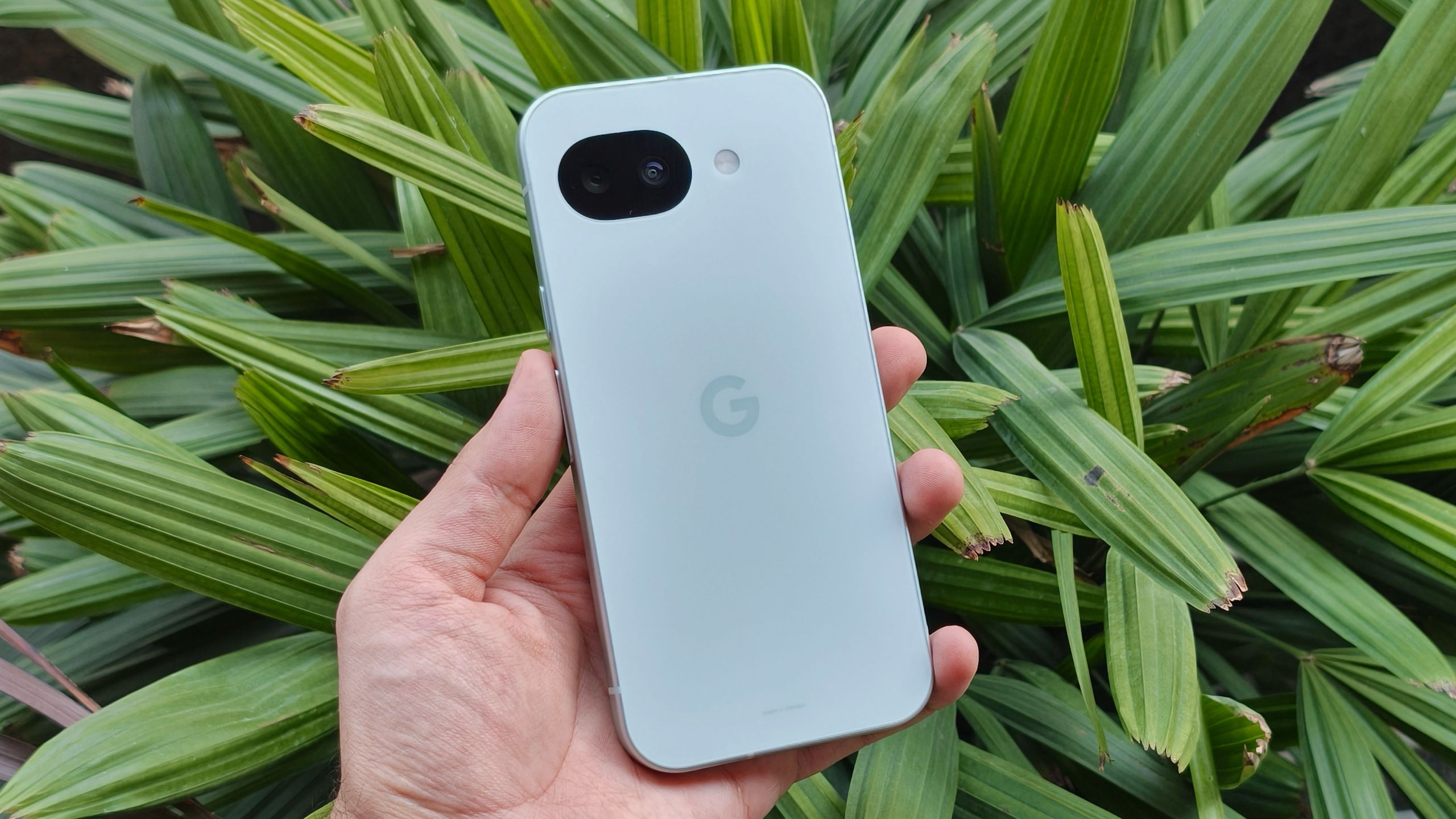
While Google has not released a formal statement detailing the specific motivations behind this mid-cycle price hike, the broader tech industry provides ample clues. The cost of essential components—most notably semi-conductors, high-speed RAM, and NAND flash storage—has remained volatile and generally on an upward trajectory. As smartphones become more sophisticated, even "budget" models require high-quality components to support modern features like advanced AI processing and high-refresh-rate displays, leaving manufacturers with little room to absorb rising costs.
Hardware Value and the Tensor G4 Factor
The $100 price increase is particularly noteworthy when examining the internal specifications of the Pixel 10a. Unlike a new generational launch where a price hike is often justified by a leap in processing power or a complete design overhaul, the Pixel 10a remains the same device that was available for $499 just weeks ago.
At the heart of the device is the Tensor G4 processor. This is the same silicon that debuted with the flagship Pixel 9 series in late 2024. While the Tensor G4 is a highly capable chip, optimized specifically for Google’s suite of artificial intelligence features and machine learning tasks, it is no longer the newest architecture in Google’s stable following the release of the Pixel 11. For consumers, the prospect of paying $599 for a device powered by year-old flagship silicon—especially one that was recently $100 cheaper—presents a challenging value proposition.
Despite the aging processor, Google did introduce several meaningful upgrades with the 10a that were intended to bridge the gap between the mid-range and the premium tiers. These include an improved wireless charging system, which offers faster speeds and better thermal management than previous "a-series" iterations. Furthermore, Google integrated satellite connectivity into the 10a, a feature that was once exclusive to the most expensive handsets on the market. This emergency SOS capability via satellite provides a safety net for users in areas without cellular coverage, representing a significant engineering investment for a mid-range device.
Market Context and the Mid-Range Struggle
The "mid-range" segment of the smartphone market has historically been defined by the $400 to $500 price bracket. At $599, the Pixel 10a begins to overlap with discounted flagships from the previous year or base-model flagships from aggressive competitors. This price creep is a symptom of a larger issue facing the industry: as the gap in features between mid-range and flagship phones narrows, the gap in price is also closing.
When the first Pixel "a" devices were introduced, they were heralded for bringing "flagship cameras" to the masses at a fraction of the cost. While the Pixel 10a still boasts an impressive camera system and the clean software experience that fans of the brand expect, the $599 price point places it in a different competitive tier. It now competes directly with a wider array of devices, including high-spec offerings from Chinese manufacturers in international markets and increasingly affordable entry-level models from other major brands.
 Mobile Device Management (MDM) & Mobile OS
Google Messages Overhauls Interface with New Gestures and Contextual Menus for Android Users
Google is currently in the process of rolling out a significant update...
 Mobile Device Management (MDM) & Mobile OS
Xiaomi 18 Pro Confirmed to Feature Advanced Smart Privacy Display Technology
As the global smartphone market continues to shift its focus toward specialized...
 Mobile Device Management (MDM) & Mobile OS
Google Bridges the Ecosystem Gap as Better Together Features Roll Out to Samsung Galaxy Devices
When Google officially pulled the curtain back on the Googlebook, the tech...







