
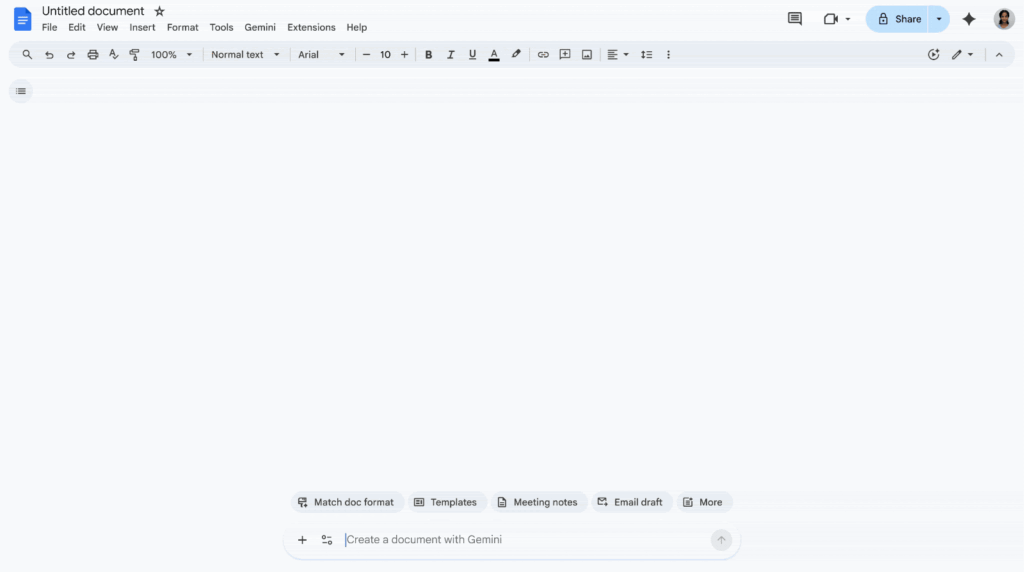
Google is preparing a significant evolution for its artificial intelligence ecosystem, announcing a transition from the current "Gems" system to a more versatile and modular framework known as "Skills." This shift marks a strategic pivot in how the tech giant approaches AI customization, moving away from static, specialized assistants toward a more fluid, interoperable system designed to integrate more deeply with professional and personal workflows.
The transition is set to follow a structured timeline that prioritizes Google Workspace users before expanding to the broader consumer market. According to recent updates from the company, the rollout of Skills will commence for Google Workspace accounts on October 5. Shortly thereafter, on October 13, the feature will begin appearing within the standalone Gemini app for personal account holders. This phased approach suggests that Google is targeting its productivity-focused users first, aiming to refine the utility of Skills in a professional environment where structured prompts and reusable templates are most in demand.
The Evolution from Gems to Modular Skills
To understand the significance of this change, it is necessary to look at the outgoing "Gems" architecture. Introduced earlier this year, Gems were essentially customized versions of the Gemini chatbot. Users could provide a specific set of instructions—such as acting as a coding tutor, a creative writing partner, or a social media manager—and Gemini would "crystallize" those instructions into a persistent persona. While effective, Gems were largely self-contained; a user interacting with a "Coding Gem" was limited to that specific configuration for that specific conversation.
Skills represent a fundamental redesign of this concept. Rather than being standalone personas, Skills are designed as modular building blocks. This means that instead of creating a single, monolithic assistant for a complex task, users can break down their requirements into smaller, reusable components. Google has indicated that these Skills can capture a wide array of specific organizational needs, including a company’s unique brand voice, standardized document templates, internal processes, and various other reference materials.
By turning these instructions into modular units, Google is moving toward an "atomic" approach to AI. A "Skill" is no longer just a chatbot; it is a portable set of instructions that can be applied dynamically across different contexts. This shift is intended to make AI more adaptable to the way people actually work, where a single task—such as drafting a quarterly report—might require the AI to understand the company’s tone, follow a specific document structure, and adhere to regulatory compliance guidelines all at once.
Advanced Capabilities: Stacking and Automatic Recognition
One of the most significant functional upgrades introduced with the Skills framework is the ability to "stack" multiple Skills. In the previous Gems system, a user was forced to choose one custom assistant at a time. If a user had a Gem for "Email Drafting" and another for "Legal Compliance," they could not easily use both simultaneously without manually copying and pasting instructions into a single prompt.
 Mobile Device Management (MDM) & Mobile OS
Samsung Accelerates Exynos 2700 Production Amid Strategic Shifts for the Galaxy S27 Series
Samsung’s semiconductor division is reportedly entering a critical phase of its roadmap...
 Mobile Device Management (MDM) & Mobile OS
Meowdoku: How a Cat-Themed Logic Puzzle Became a Viral Sensation Despite an Exhausting Ad Experience
In the modern digital landscape, the mobile gaming market is increasingly saturated...
 Mobile Device Management (MDM) & Mobile OS
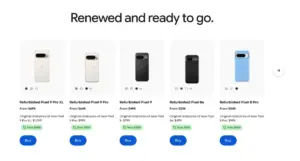
Google Expands Certified Refurbished Program to Include Pixel 9 Series with Significant Price Cuts
Google has officially expanded its hardware offerings in the United States by...







