
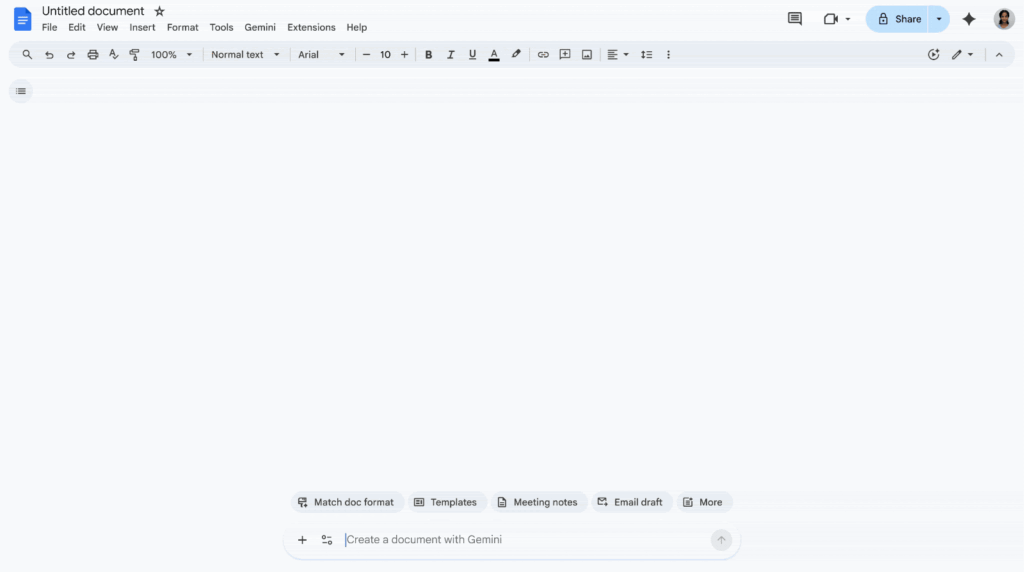
Google is preparing a significant evolution for its artificial intelligence ecosystem, announcing a transition from the current "Gems" system to a more versatile and modular framework known as "Skills." This shift marks a strategic pivot in how the tech giant approaches AI customization, moving away from static, specialized assistants toward a more fluid, interoperable system designed to integrate more deeply with professional and personal workflows.
The transition is set to follow a structured timeline that prioritizes Google Workspace users before expanding to the broader consumer market. According to recent updates from the company, the rollout of Skills will commence for Google Workspace accounts on October 5. Shortly thereafter, on October 13, the feature will begin appearing within the standalone Gemini app for personal account holders. This phased approach suggests that Google is targeting its productivity-focused users first, aiming to refine the utility of Skills in a professional environment where structured prompts and reusable templates are most in demand.
The Evolution from Gems to Modular Skills
To understand the significance of this change, it is necessary to look at the outgoing "Gems" architecture. Introduced earlier this year, Gems were essentially customized versions of the Gemini chatbot. Users could provide a specific set of instructions—such as acting as a coding tutor, a creative writing partner, or a social media manager—and Gemini would "crystallize" those instructions into a persistent persona. While effective, Gems were largely self-contained; a user interacting with a "Coding Gem" was limited to that specific configuration for that specific conversation.
Skills represent a fundamental redesign of this concept. Rather than being standalone personas, Skills are designed as modular building blocks. This means that instead of creating a single, monolithic assistant for a complex task, users can break down their requirements into smaller, reusable components. Google has indicated that these Skills can capture a wide array of specific organizational needs, including a company’s unique brand voice, standardized document templates, internal processes, and various other reference materials.
By turning these instructions into modular units, Google is moving toward an "atomic" approach to AI. A "Skill" is no longer just a chatbot; it is a portable set of instructions that can be applied dynamically across different contexts. This shift is intended to make AI more adaptable to the way people actually work, where a single task—such as drafting a quarterly report—might require the AI to understand the company’s tone, follow a specific document structure, and adhere to regulatory compliance guidelines all at once.
Advanced Capabilities: Stacking and Automatic Recognition
One of the most significant functional upgrades introduced with the Skills framework is the ability to "stack" multiple Skills. In the previous Gems system, a user was forced to choose one custom assistant at a time. If a user had a Gem for "Email Drafting" and another for "Legal Compliance," they could not easily use both simultaneously without manually copying and pasting instructions into a single prompt.
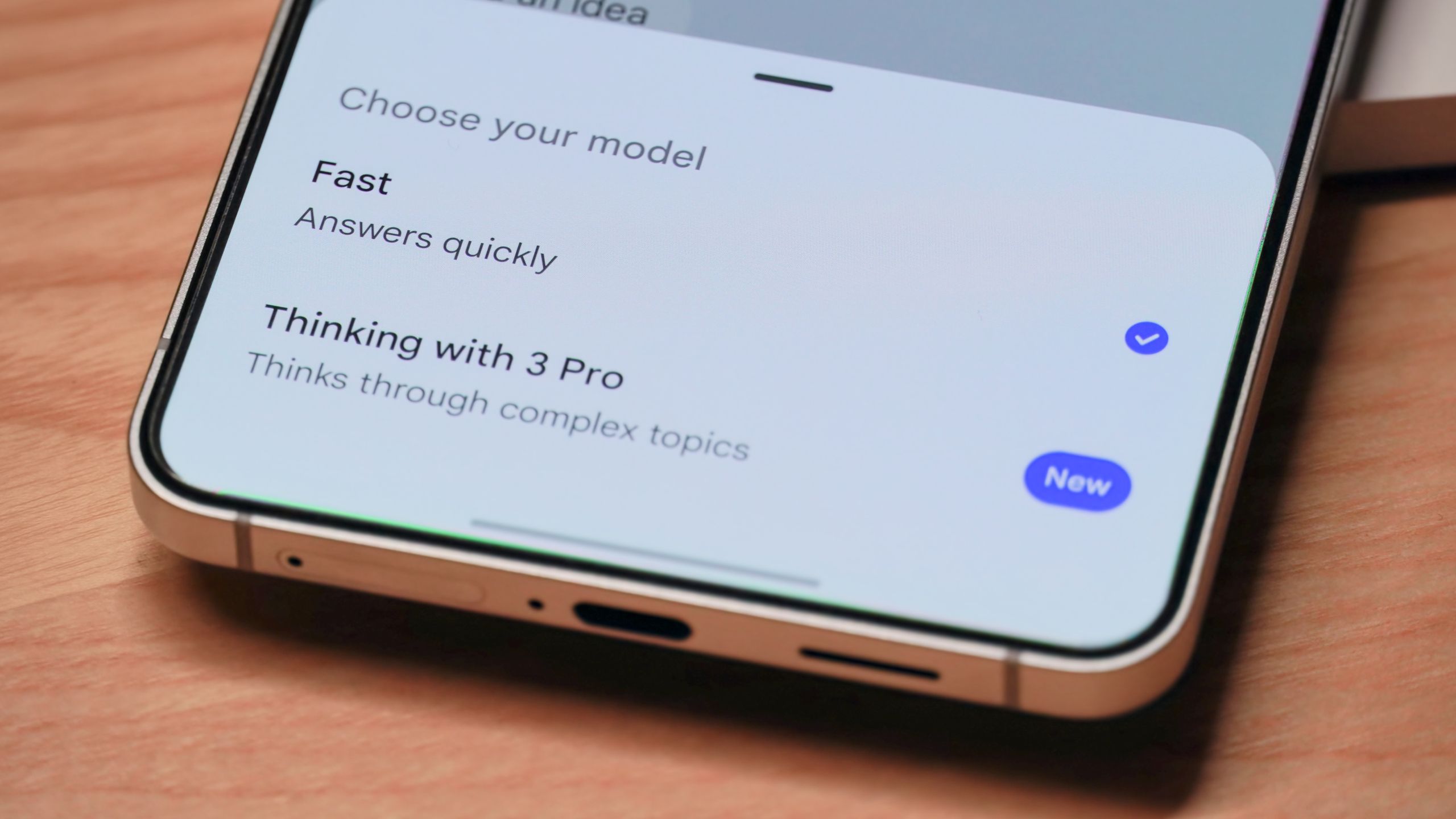
With the new system, Gemini allows users to layer these Skills. For example, a marketing professional could activate a "Weekly Newsletter" Skill alongside a "Brand Guidelines" Skill. The first Skill provides the structural framework for the newsletter, while the second ensures that the language remains consistent with the company’s established identity. This stacking capability significantly reduces the friction of prompt engineering, allowing users to mix and match specialized instructions to suit the specific nuances of a given project.
Furthermore, Google is introducing a level of automation to how these Skills are deployed. Gemini will now feature the ability to automatically recognize when a specific Skill is relevant to a user’s prompt. This "auto-recognition" feature aims to eliminate the need for users to manually toggle specific assistants or instructions before starting a chat. If a user begins drafting a document that matches the parameters of a saved "Project Proposal" Skill, the AI can proactively suggest or apply the relevant guidelines. This move toward intent recognition is a major step in Google’s broader goal of making Gemini a proactive "agent" rather than a reactive chatbot.
Technical Foundations and Open Standards
In a move that may appeal to developers and power users, Google has built the Skills framework on open standards. Specifically, Skills are based on the SKILL.md format, utilizing Markdown—a lightweight markup language commonly used for formatting plain text. By using an open, text-based format, Google claims that Skills will be portable across compatible platforms.
The decision to use Markdown is a tactical one. It ensures that the instructions defining a Skill are human-readable, easily editable, and not locked into a proprietary, opaque binary format. This transparency could allow organizations to version-control their AI instructions in the same way they manage code, or even share Skills across different departments with ease.
However, despite the focus on portability, there is a notable limitation in the current rollout: Skills developed within the personal Gemini app and those created within the Google Workspace environment will not automatically sync. Users who find themselves working across both personal and professional Google accounts will currently need to recreate their Skills in each environment separately. While this may be a hurdle for some, it likely reflects Google’s strict data boundary policies between consumer data and enterprise-grade Workspace data.
The Transition Roadmap and Legacy Support
As Skills become the primary method for customizing Gemini, the existing Gems system will be phased out through a multi-stage sunset process. Google has provided a clear timeline to ensure that users—particularly those in enterprise and educational settings—have ample time to migrate their existing custom assistants.
The first major shift occurs on November 17, when Gems will be moved into the Gemini app’s Settings menu. At this stage, they will remain functional, but the interface will begin nudging users toward the new Skills framework. This interim period is designed to allow users to continue their current workflows while they familiarize themselves with the modular nature of Skills.

For high-stakes environments, Google is offering a much longer transition window. Business and Enterprise customers will retain access to their Gems until at least March 1, 2027. Education accounts are granted an even longer grace period, with a sunset date set for June 1, 2027. This extended timeline is a clear acknowledgment of the time it takes for large organizations and schools to update their internal documentation, training materials, and established AI workflows.
When the final sunset dates arrive, any remaining Gems will not simply be deleted. Google has stated that these legacy assistants will be converted into "draft Skills." This ensures that the time and effort users spent crafting specific instructions for their Gems are preserved, even as the underlying technology evolves. Users will be able to review these drafts, refine them, and officially publish them as modular Skills within the new system.
A Strategic Shift in the AI Landscape
The move from Gems to Skills reflects a broader trend in the generative AI industry. As the novelty of simple "chatting" with AI wears off, tech companies are increasingly focused on "agentic" behavior—the ability for AI to perform complex, multi-step tasks with minimal human intervention. By making instructions modular and stackable, Google is positioning Gemini to act more like a versatile digital employee than a simple search or writing tool.
This transition also addresses one of the primary criticisms of early custom AI models: the "silo" problem. By allowing Skills to interact and be applied dynamically, Google is breaking down the walls between different AI tasks. This flexibility is likely a response to the evolving needs of the "AI-powered" workforce, where users require tools that can adapt to the shifting requirements of a workday rather than being confined to a single, static persona.
As October approaches, users of both the personal Gemini app and Google Workspace should prepare for these changes by reviewing their existing Gems and considering how they might be broken down into more efficient, reusable Skills. While the transition represents a change in habit, the promise of a more modular, intelligent, and proactive AI assistant suggests that the "Skills" era of Gemini will be significantly more powerful than the one it replaces.
 Mobile Device Management (MDM) & Mobile OS
Google Prepared to Expand Wearable Lineup with New Fitbit Edge Tracker
The landscape of the wearable technology market is undergoing a significant shift...
 Mobile Device Management (MDM) & Mobile OS
The Evolution of Ultra-Compact Power: UGREEN and Rolling Square Redefine the 65W GaN Charger Market
The landscape of mobile power and charging accessories has undergone a radical...
 Mobile Device Management (MDM) & Mobile OS
Amazon Slashes Samsung Galaxy S26 Ultra Price by $450 Following Recent Market Adjustments
In a surprising turn of events for the mobile industry, the Samsung...







