
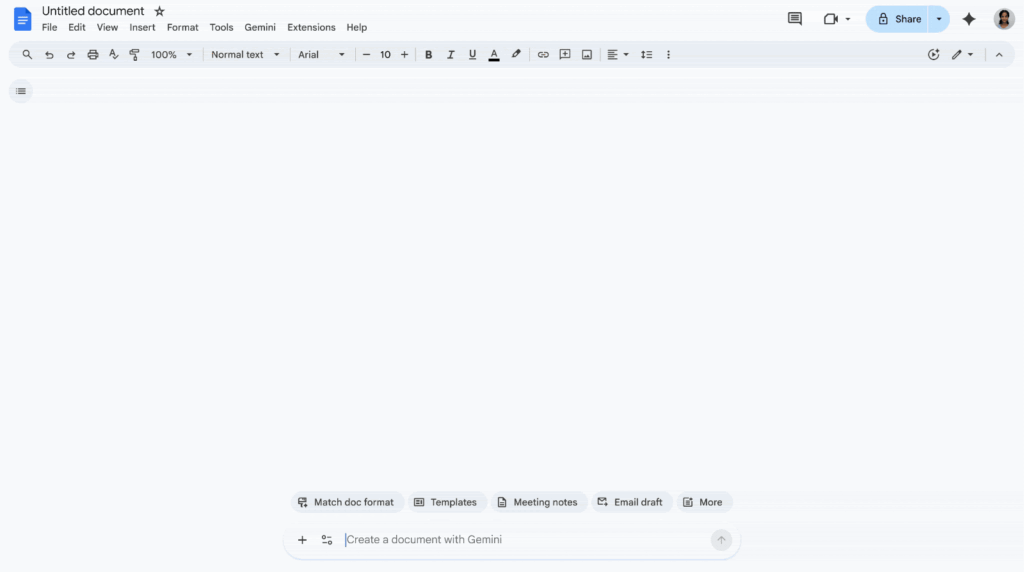
With the new system, Gemini allows users to layer these Skills. For example, a marketing professional could activate a "Weekly Newsletter" Skill alongside a "Brand Guidelines" Skill. The first Skill provides the structural framework for the newsletter, while the second ensures that the language remains consistent with the company’s established identity. This stacking capability significantly reduces the friction of prompt engineering, allowing users to mix and match specialized instructions to suit the specific nuances of a given project.
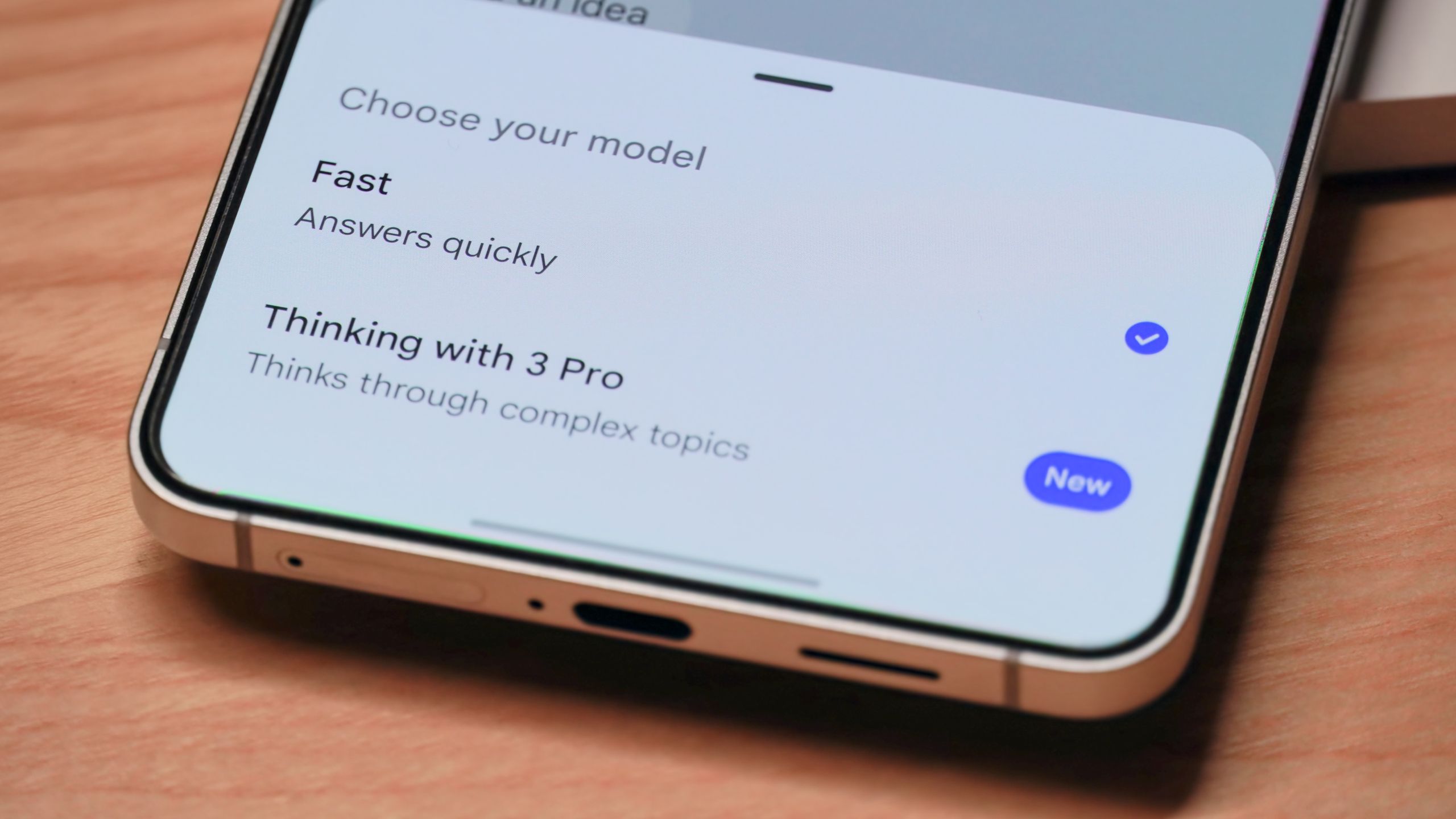
Furthermore, Google is introducing a level of automation to how these Skills are deployed. Gemini will now feature the ability to automatically recognize when a specific Skill is relevant to a user’s prompt. This "auto-recognition" feature aims to eliminate the need for users to manually toggle specific assistants or instructions before starting a chat. If a user begins drafting a document that matches the parameters of a saved "Project Proposal" Skill, the AI can proactively suggest or apply the relevant guidelines. This move toward intent recognition is a major step in Google’s broader goal of making Gemini a proactive "agent" rather than a reactive chatbot.
Technical Foundations and Open Standards
In a move that may appeal to developers and power users, Google has built the Skills framework on open standards. Specifically, Skills are based on the SKILL.md format, utilizing Markdown—a lightweight markup language commonly used for formatting plain text. By using an open, text-based format, Google claims that Skills will be portable across compatible platforms.
The decision to use Markdown is a tactical one. It ensures that the instructions defining a Skill are human-readable, easily editable, and not locked into a proprietary, opaque binary format. This transparency could allow organizations to version-control their AI instructions in the same way they manage code, or even share Skills across different departments with ease.
However, despite the focus on portability, there is a notable limitation in the current rollout: Skills developed within the personal Gemini app and those created within the Google Workspace environment will not automatically sync. Users who find themselves working across both personal and professional Google accounts will currently need to recreate their Skills in each environment separately. While this may be a hurdle for some, it likely reflects Google’s strict data boundary policies between consumer data and enterprise-grade Workspace data.
The Transition Roadmap and Legacy Support
As Skills become the primary method for customizing Gemini, the existing Gems system will be phased out through a multi-stage sunset process. Google has provided a clear timeline to ensure that users—particularly those in enterprise and educational settings—have ample time to migrate their existing custom assistants.
 Mobile Device Management (MDM) & Mobile OS
Google Expands Certified Refurbished Program to Include Pixel 9 Series with Significant Price Cuts
Google has officially expanded its hardware offerings in the United States by...
 Mobile Device Management (MDM) & Mobile OS
Xreal One Pro Receives Significant Price Cut During Prime Big Deal Days as the Market for Wearable Displays Expands
The landscape of personal entertainment and mobile productivity is undergoing a quiet...
 Mobile Device Management (MDM) & Mobile OS
Google Explores Enhanced Security for Chrome on Android with Biometric Password Reauthentication
The convenience of modern mobile browsing often rests on a delicate balance...







