
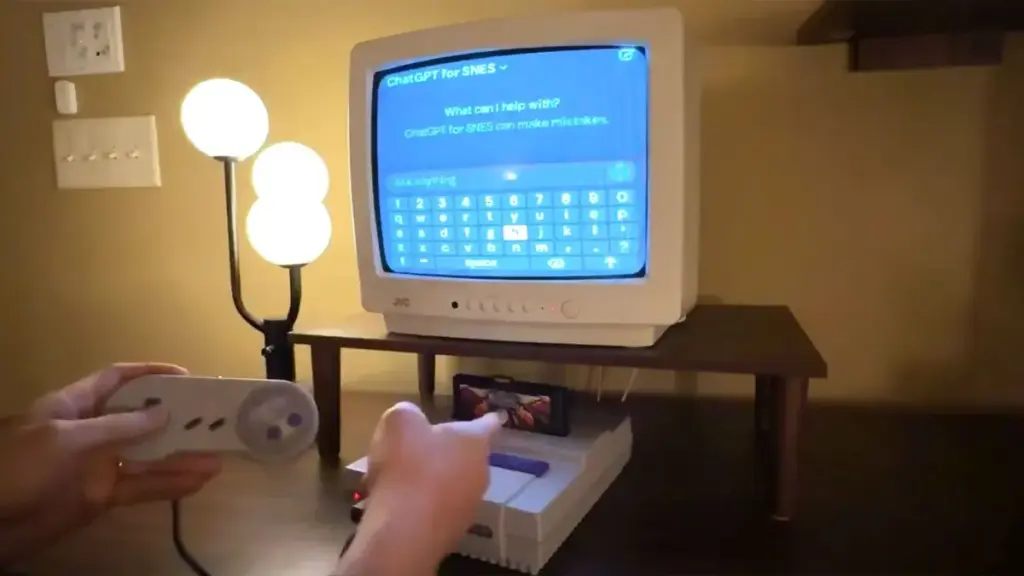
In its current state, the unofficial ChatGPT for the SNES is described as a fun, experimental tool rather than a replacement for modern AI interfaces. Edwards has noted that the model can make mistakes—a common trait even in the most advanced AI systems, often referred to as "hallucinations." However, the novelty of seeing a 16-bit text box, typically reserved for dialogue from games like Final Fantasy VI or Chrono Trigger, populate with real-time responses to user prompts is a significant draw for the retro-computing community. The project was reportedly developed with the assistance of GPT-6 Astra and GPT-OSS, suggesting a collaborative effort between the developer and even more advanced AI tools to refine the code for the vintage environment.
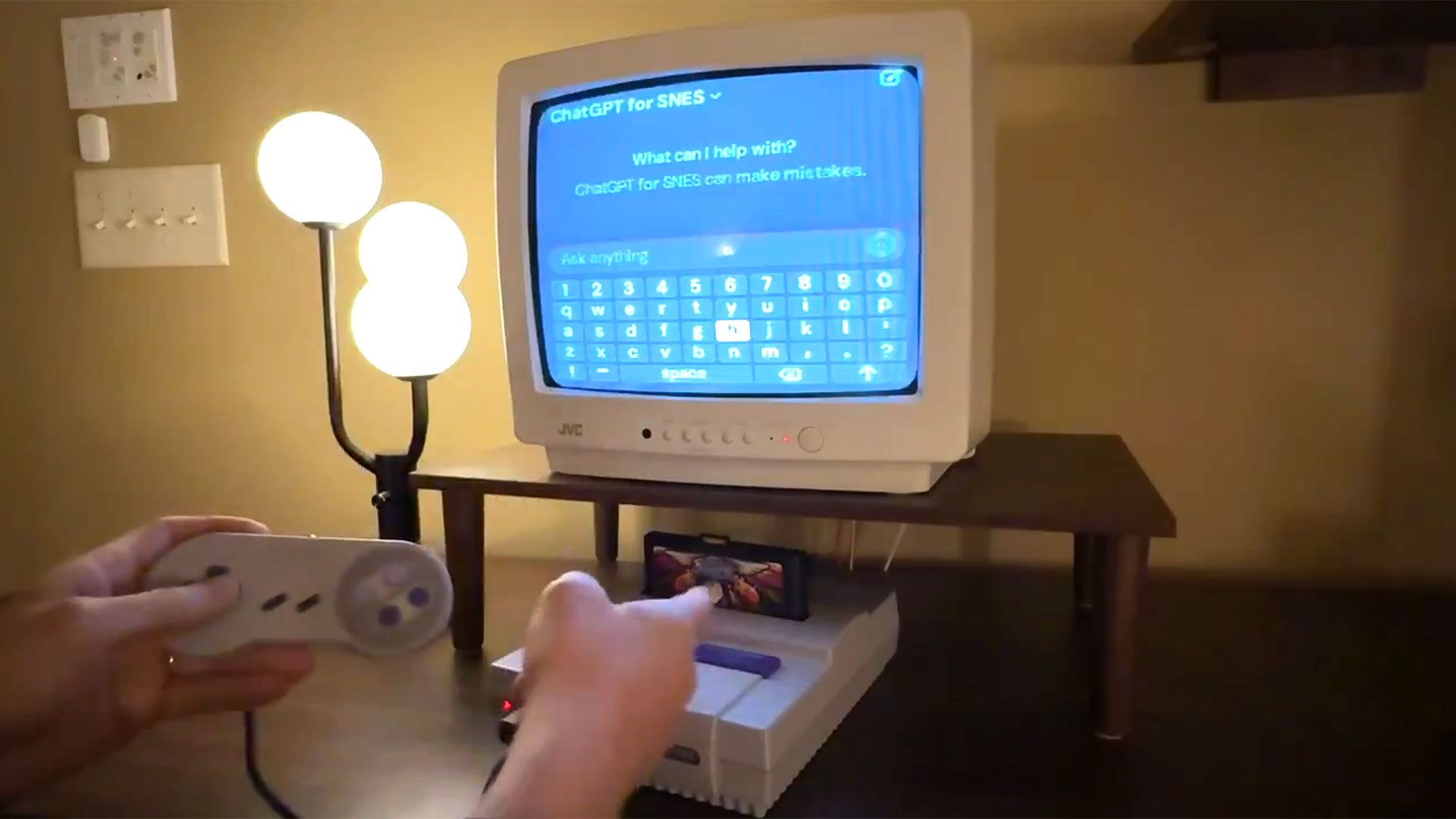
The hardware configuration used for this project involves running the software on a real Super Nintendo console, rather than just an emulator, which adds a layer of authenticity and difficulty to the endeavor. Modern flash cartridges, such as those used to run homebrew software on original hardware, often include FPGA (Field-Programmable Gate Array) implementations of expansion chips like the Super FX 2. This allows developers to utilize the extra processing power while maintaining the physical experience of using a console that is over thirty years old. The ability of the Super FX 2 to handle the matrix multiplications and data processing necessary for a 2.2M parameter model speaks to the forward-thinking design of the chip when it was first conceived in the mid-90s.
This project arrives at a time when the tech industry is increasingly focused on the concept of "local AI" or "edge computing," where AI models are run directly on a user’s device rather than in the cloud. While the SNES chatbot is an extreme and whimsical example of this, it underscores the potential for highly optimized, small-scale models to function in resource-constrained environments. It also serves as a testament to the enduring legacy of the Super Nintendo. While many consoles of its era have faded into obscurity, the SNES continues to be a primary target for developers who enjoy the challenge of working within its strict limitations.
 Hardware Reviews & PC Building
Rising Component Costs and AI Demand Create Unprecedented Crisis for Consumer PC Market
The landscape of the consumer PC market is currently navigating a period...
 Hardware Reviews & PC Building
AMD Details EPYC Venice Benchmarks in Strategic Challenge to Nvidia and Intel
In a significant expansion of its data center strategy, AMD has released...
 Hardware Reviews & PC Building
Tom’s Hardware Premium Explores Apple’s Long-Awaited Transition to OLED and Touch-Enabled MacBooks
In an era where hardware specifications often plateau, the deeper narrative behind...







