
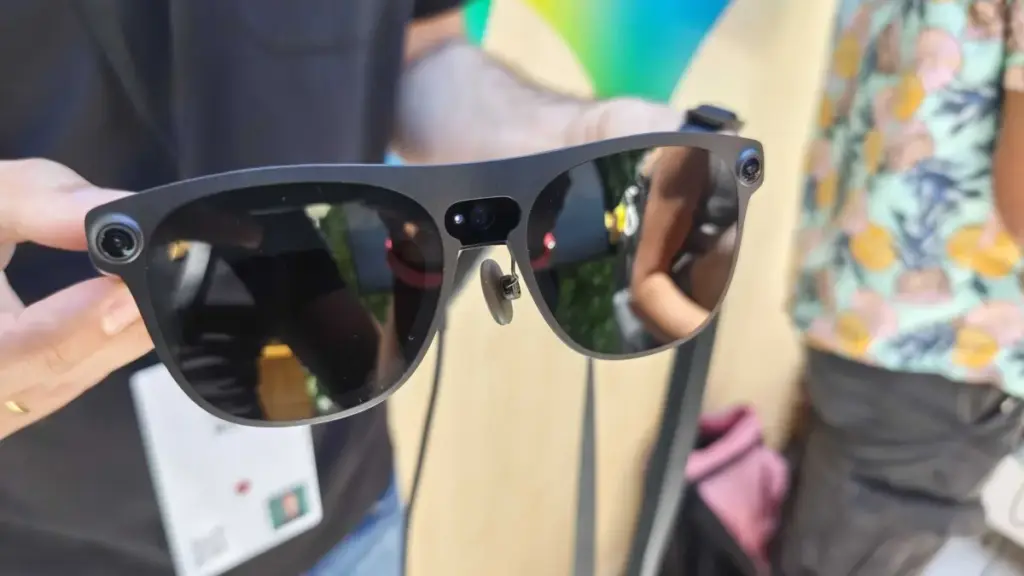
The long-anticipated arrival of Xreal’s latest hardware milestone has finally reached its destination. Xreal has officially announced the launch of the Aura, its high-end, wired Android XR glasses, marking a significant pivot point for the augmented and extended reality industry. As of today, October 27, the Aura is available for purchase by consumers across the United States, Canada, Japan, and South Korea. This launch represents more than just a new product release; it is the culmination of years of collaborative development between Xreal, Google, and Qualcomm to bring a streamlined, wearable spatial computing experience to the mass market.
In a move that surprised many industry observers this afternoon, Xreal accompanied the launch with a limited-time pricing strategy designed to accelerate early adoption. For the initial launch phase, the Xreal Aura 12GB RAM/256GB storage variant is being offered at a promotional price of $1,099. For power users seeking more overhead, the 16GB RAM/512GB storage model is available for $1,299. These figures represent a significant $200 reduction from the MSRP originally projected by the company earlier this month. According to Xreal, these promotional prices are set to remain in place through December 2026, providing a generous window for consumers to enter the ecosystem before costs revert to the standard retail prices of $1,279 and $1,499, respectively.
While the storefronts are live and orders are being processed, the company has clarified the logistics for the first wave of buyers. A formal press release indicates that the Xreal Aura is expected to begin shipping to customers in mid-November. This short lead time suggests that the company has been ramping up production to meet what is expected to be substantial demand, following a highly successful reservation period earlier this year.
A Defining Moment for Spatial Computing
The launch of the Aura is being framed by Xreal leadership as a transformative event for the technology sector. Chi Xu, the co-founder and CEO of Xreal, expressed immense pride in the final product, noting that the Aura was designed specifically to bridge the gap between high-performance computing and daily usability.
"This is a defining moment for XR," Chi Xu stated during the launch announcement. "We built AURA for people who want the power of spatial computing without being removed from the world around them. XREAL AURA is finally here, and we’re so proud to unlock new ways for people to work, watch, play, and build."
This sentiment highlights a core philosophy of the Aura’s design: the "Optical See-Through" (OST) experience. Unlike fully enclosed virtual reality headsets that replace the user’s vision with a digital feed, the Aura’s transparent optics allow users to remain present in their physical environment while digital information is overlaid onto their field of view. This approach is intended to make XR less isolating and more integrated into professional and social settings.
The Power of Android XR and Google Integration
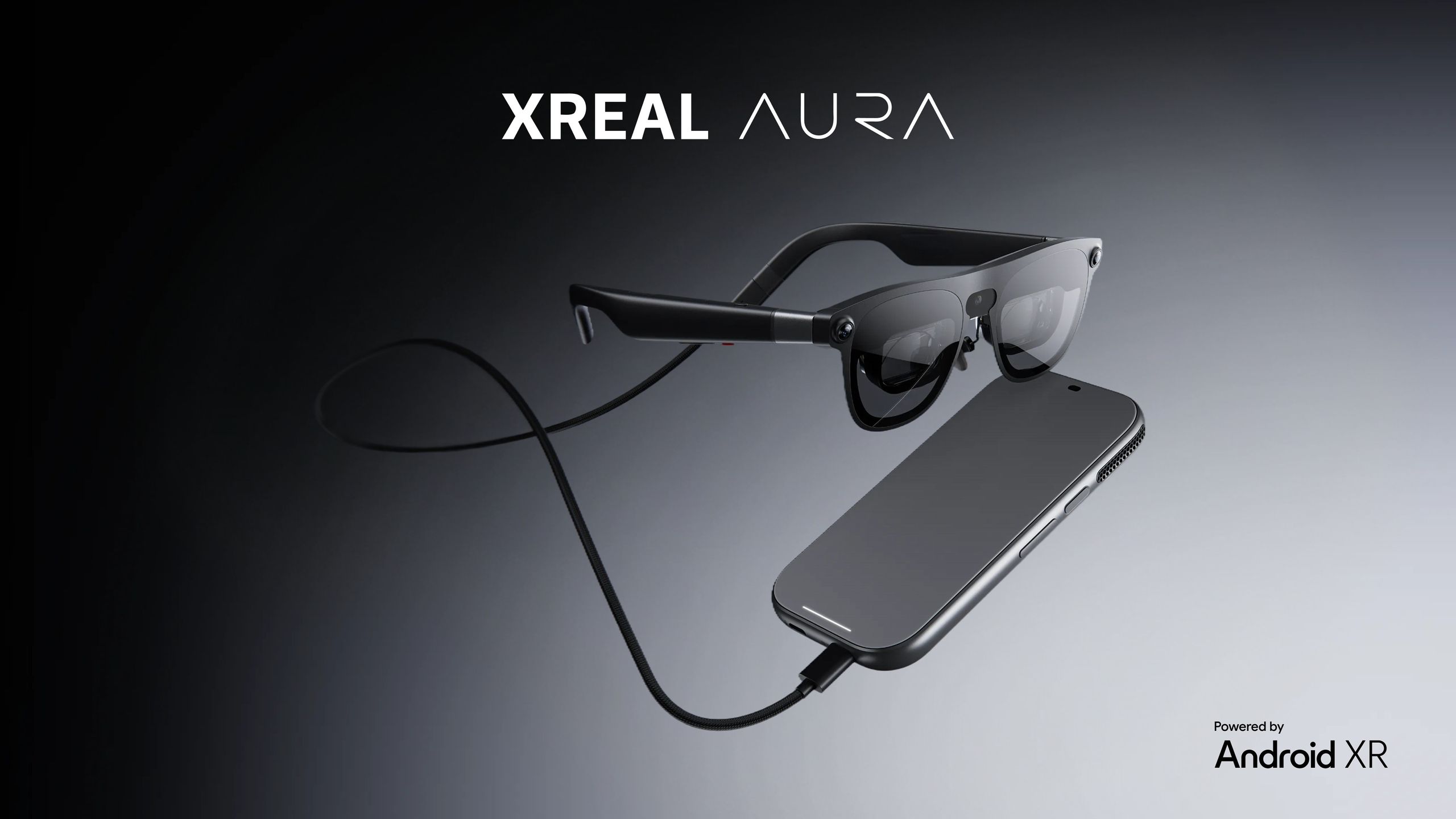
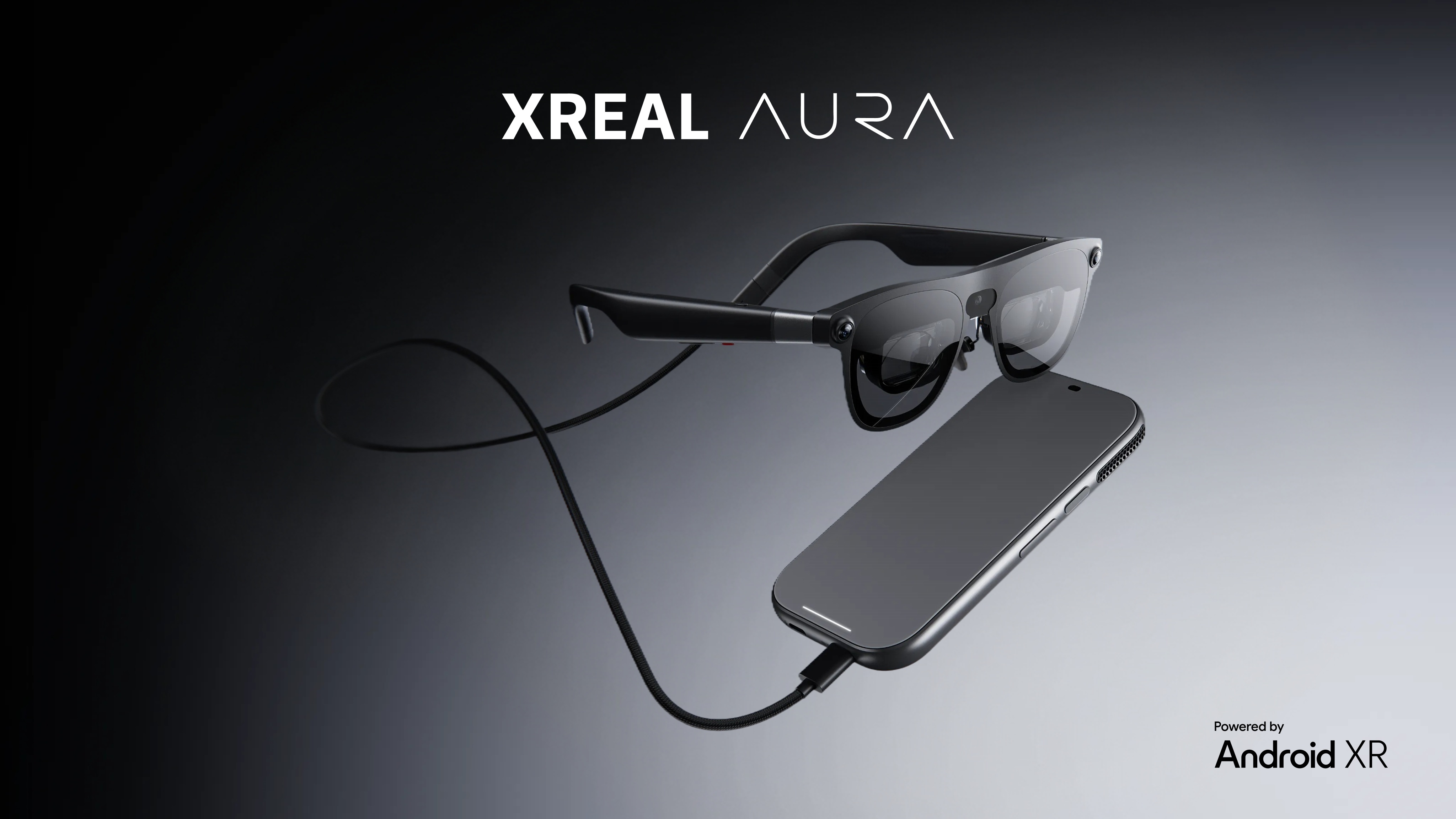
At the heart of the Xreal Aura’s appeal is its software foundation. As a flagship device for the Android XR platform, the Aura benefits from a deep technological alliance with Google and Qualcomm. This partnership ensures that the glasses are not merely a peripheral for a smartphone, but a sophisticated computing platform in their own right.
The glasses are powered by the Snapdragon Reality Elite chip, a dedicated silicon solution from Qualcomm designed specifically to handle the unique demands of spatial rendering and low-latency tracking. This hardware is further enhanced by the integration of Google’s Gemini AI. Gemini serves as a contextual assistant within the XR environment, helping users manage their workspace, interact with apps, and navigate the spatial interface with greater fluidity.
One of the most compelling advantages of the Android XR ecosystem is the immediate availability of content. Xreal has confirmed that Aura users will have access to millions of familiar mobile applications and games directly from the Google Play Store. These apps are not just mirrored; they can be positioned in 3D space, allowing users to create a multi-window workstation that floats in their living room or office. Beyond standard mobile apps, the platform also hosts tailor-made XR experiences designed to take full advantage of the Aura’s spatial tracking capabilities.
High-Fidelity Hardware and Ergonomics
The technical specifications of the Aura underscore its position as a premium device. The visual experience is driven by a Sony Micro-OLED display system, which delivers a crisp 1200p resolution. To ensure that motion remains fluid and to minimize the risk of eye strain or motion sickness, the displays support a 120Hz refresh rate. This high refresh rate is particularly crucial for gaming and fast-paced sports content, where visual clarity during movement is paramount.
The Aura offers a 70-degree field of view (FOV), providing an expansive canvas for digital content. To complement the high-end visuals, Xreal collaborated with Bose to integrate a custom audio solution. The "Sound by Bose" system provides spatial audio that enhances the immersion of movies and games while maintaining a discreet profile that doesn’t overwhelm the wearer.
Perhaps the most impressive engineering feat of the Aura is its weight. Despite housing advanced optics, sensors, and the Snapdragon Reality Elite architecture, the glasses weigh only 95 grams. This makes them significantly lighter than traditional VR headsets, which often weigh five to six times as much. The lightweight design is a critical factor in Xreal’s goal of making XR a "daily wear" technology that can be used for hours at a time without the physical fatigue associated with heavier head-mounted displays.
A New World of Content: From the NBA to Fallout
Xreal is launching the Aura with a robust lineup of partnerships designed to showcase the device’s versatility. For sports enthusiasts, the NBA app for Android XR is a standout feature. It offers a "multiview" experience for NBA League Pass subscribers, allowing fans to watch multiple games simultaneously or keep live matchups, player stats, and league standings in separate floating windows around their main view.
Similarly, the NASCAR XR app aims to redefine the racing fan experience. It brings users closer to the action by providing a live 3D track map that sits on a tabletop or floor, accompanied by real-time driver telemetry and multiple camera angles. These applications demonstrate the potential of spatial computing to transform passive viewing into an interactive, data-rich experience.
On the gaming and entertainment front, Xreal has secured high-profile titles and partnerships. Through a collaboration with Amazon MGM Studios, users can experience Project Hail Mary: Journey Among the Stars, an immersive tie-in to the popular science fiction property. For fans of tabletop and strategy gaming, Fallout: Factions from Modiphius Entertainment will be available at launch, bringing the iconic post-apocalyptic universe into the augmented space.
Market Reception and Future Availability
The momentum leading up to today’s launch has been building for months. According to Chi Xu, the early reception for the Aura exceeded the company’s internal expectations. By August, reservations for the device had already topped 10,000 units. Several of the early-bird reservation packages sold out rapidly, as consumers responded positively to Xreal’s transparency regarding the final price point and the promise of a premium experience under $1,500.
The CEO noted that the company felt "encouraged" by this early turnout, which validated their belief that there is a significant market for high-quality, lightweight XR glasses that prioritize the "optical see-through" experience over fully occluded VR.
For those looking to purchase the Aura immediately, the primary destination is Xreal’s official online storefront. However, in a strategic move to increase retail visibility, the company has also made the glasses available at Best Buy starting today. Looking further ahead, Xreal has outlined an expansion plan for 2027, which includes distributing the Aura to a wider array of third-party retailers and securing placement in select Google Stores across the U.S. and Japan.
The hands-on impressions of the Aura have been consistently positive since its early debut. During its appearance at Google I/O 2026, tech analysts and journalists were struck by the device’s ability to deliver a full-featured XR experience in a form factor that closely resembles a standard pair of glasses. The consensus was that Xreal had successfully "crammed" the functionality of a bulky VR headset into a 95g frame, a feat that many felt would be the catalyst for the next generation of personal computing.
As the first units prepare to ship in mid-November, the Xreal Aura stands as a testament to the rapid evolution of wearable technology. By combining the familiarity of the Android ecosystem with cutting-edge optics and a lightweight design, Xreal is betting that the future of computing isn’t just on our desks or in our pockets—it’s right in front of our eyes.
 Mobile Device Management (MDM) & Mobile OS
Amazon Expands Smart Home Ecosystem with AI-Powered Echo Devices and High-Resolution Echo Show 16
In a significant expansion of its ambient intelligence ecosystem, Amazon has unveiled...
 Mobile Device Management (MDM) & Mobile OS
T-Mobile Rejects Deeper SpaceX Partnership, Citing Satellite’s Limitations and Strategic Misalignment
In the rapidly evolving landscape of global telecommunications, the intersection of terrestrial...
 Mobile Device Management (MDM) & Mobile OS
Peacock Unveils Major Mobile App Redesign Featuring Vertical Video, AI Search, and Interactive Fan Hubs
In an era where streaming platforms are no longer just competing for...







