
Similarly, the NASCAR XR app aims to redefine the racing fan experience. It brings users closer to the action by providing a live 3D track map that sits on a tabletop or floor, accompanied by real-time driver telemetry and multiple camera angles. These applications demonstrate the potential of spatial computing to transform passive viewing into an interactive, data-rich experience.
On the gaming and entertainment front, Xreal has secured high-profile titles and partnerships. Through a collaboration with Amazon MGM Studios, users can experience Project Hail Mary: Journey Among the Stars, an immersive tie-in to the popular science fiction property. For fans of tabletop and strategy gaming, Fallout: Factions from Modiphius Entertainment will be available at launch, bringing the iconic post-apocalyptic universe into the augmented space.
Market Reception and Future Availability
The momentum leading up to today’s launch has been building for months. According to Chi Xu, the early reception for the Aura exceeded the company’s internal expectations. By August, reservations for the device had already topped 10,000 units. Several of the early-bird reservation packages sold out rapidly, as consumers responded positively to Xreal’s transparency regarding the final price point and the promise of a premium experience under $1,500.
The CEO noted that the company felt "encouraged" by this early turnout, which validated their belief that there is a significant market for high-quality, lightweight XR glasses that prioritize the "optical see-through" experience over fully occluded VR.
For those looking to purchase the Aura immediately, the primary destination is Xreal’s official online storefront. However, in a strategic move to increase retail visibility, the company has also made the glasses available at Best Buy starting today. Looking further ahead, Xreal has outlined an expansion plan for 2027, which includes distributing the Aura to a wider array of third-party retailers and securing placement in select Google Stores across the U.S. and Japan.
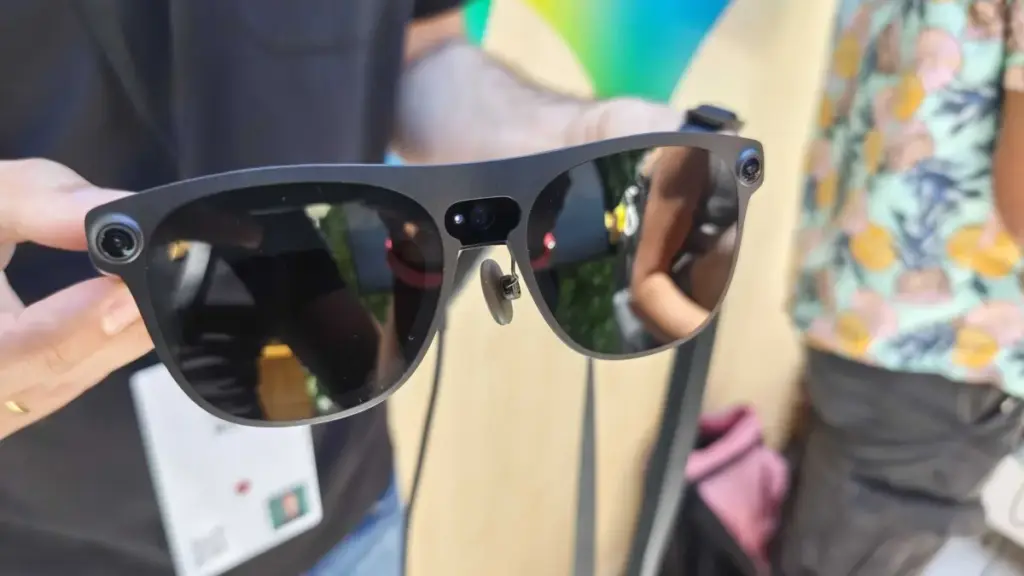
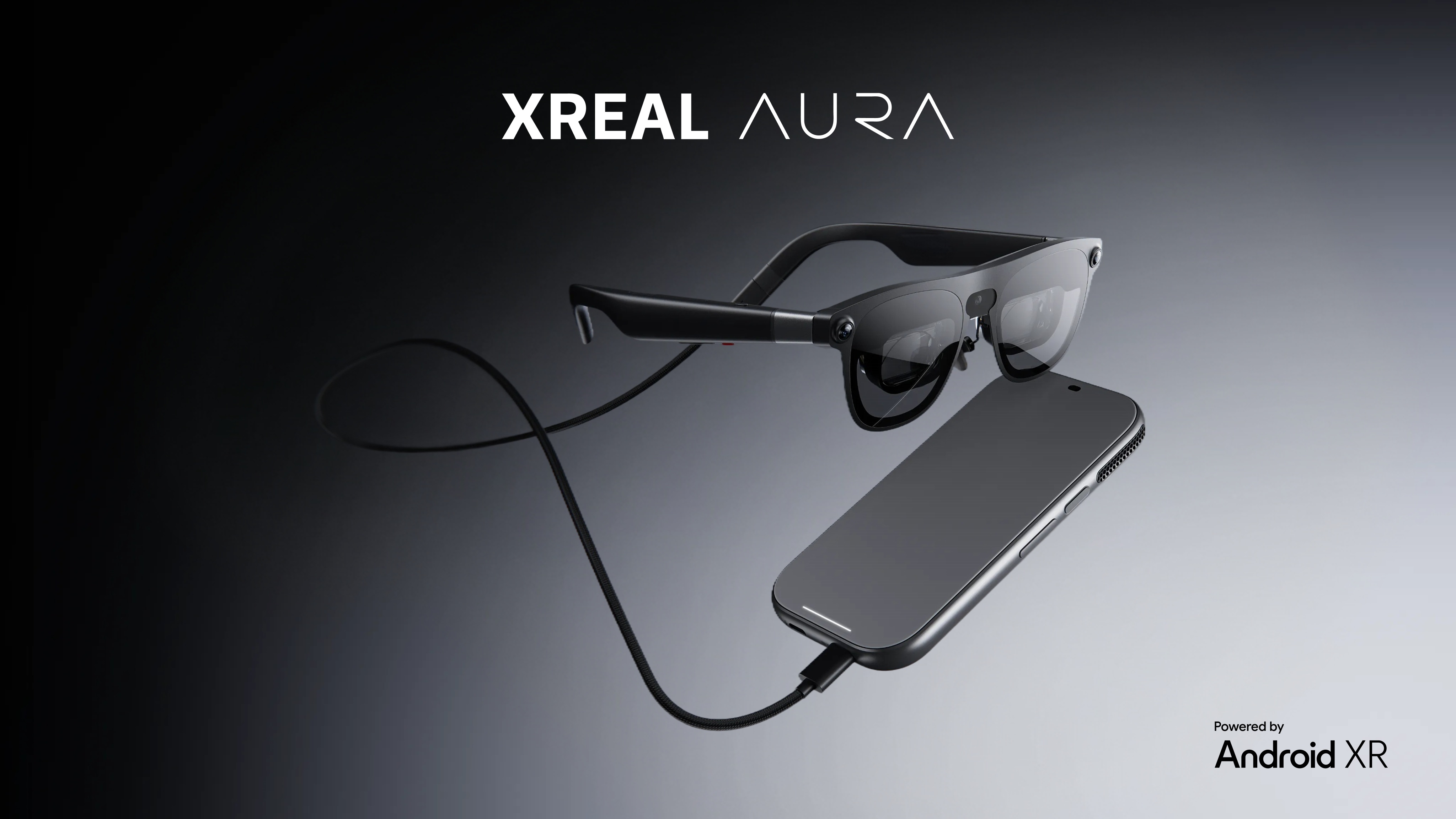
The hands-on impressions of the Aura have been consistently positive since its early debut. During its appearance at Google I/O 2026, tech analysts and journalists were struck by the device’s ability to deliver a full-featured XR experience in a form factor that closely resembles a standard pair of glasses. The consensus was that Xreal had successfully "crammed" the functionality of a bulky VR headset into a 95g frame, a feat that many felt would be the catalyst for the next generation of personal computing.
As the first units prepare to ship in mid-November, the Xreal Aura stands as a testament to the rapid evolution of wearable technology. By combining the familiarity of the Android ecosystem with cutting-edge optics and a lightweight design, Xreal is betting that the future of computing isn’t just on our desks or in our pockets—it’s right in front of our eyes.
 Mobile Device Management (MDM) & Mobile OS
Huawei Expands Mobile Ecosystem with Launch of OSTA Sub-Brand and the Wide-Screen O1 Pro
The global smartphone market, often characterized by a relentless drive toward taller...
 Mobile Device Management (MDM) & Mobile OS
Xiaomi Unveils the 18 Pro and 18 Pro Max: A Dual-Screen Powerhouse Aimed at the Global Ultra-Premium Market
Following a notable absence in the international flagship market last year, Xiaomi...
 Mobile Device Management (MDM) & Mobile OS
Seattle-Based Startup Tin Can Brings Screen-Free “Mobile Landlines” to UK Youth to Foster Safer Communication
In an era where the digital landscape is increasingly dominated by complex...







