
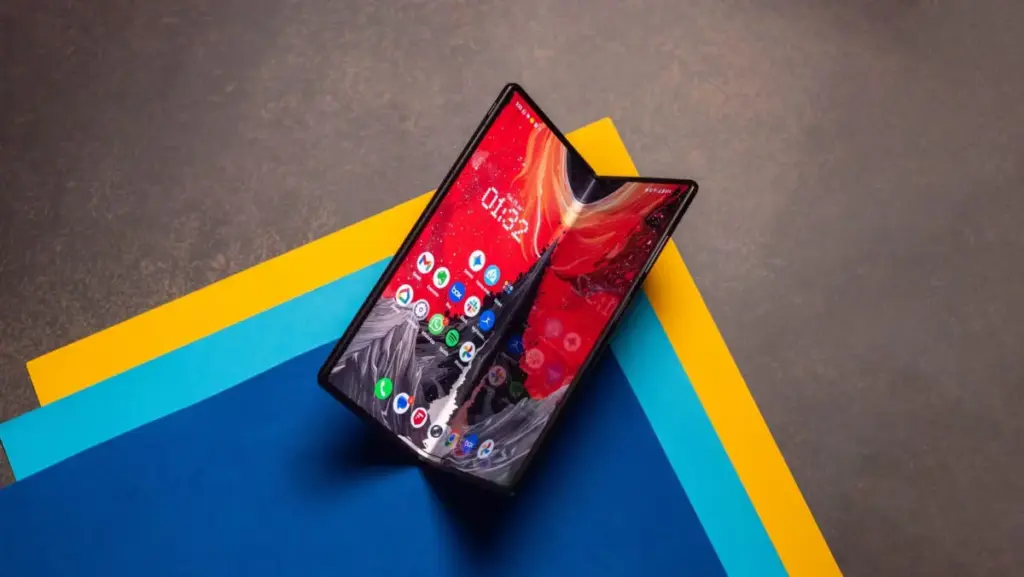
The landscape of the foldable smartphone market has undergone a dramatic transformation over the past several years, shifting from experimental curiosities to mainstream flagship contenders. While Samsung has long held the mantle of leadership in this category, a new wave of competition from Chinese manufacturers is beginning to reshape expectations regarding form factor, screen dimensions, and portability. After a brief period of relative silence in the "wide fold" rumor mill, the spotlight has swung back toward Vivo, a company that appears increasingly committed to carving out a unique niche in the burgeoning foldable segment.
Recent reports originating from the Chinese social media platform Weibo have reignited interest in Vivo’s long-term hardware roadmap. According to the well-known tech tipster Digital Chat Station (DCS), Vivo is actively continuing the development of a "wide fold" device—a term used to describe a foldable phone that prioritizes a wider aspect ratio, often resulting in a more traditional smartphone feel when closed and a more tablet-like experience when opened. However, unlike its competitors who are pushing the boundaries of screen real estate, Vivo is allegedly taking a different path by focusing on a more compact footprint.
A Shift Toward the Compact Foldable
The most striking detail of the leak provided by Digital Chat Station is the proposed screen size. While the current industry trend for book-style foldables leans toward internal displays that exceed 7.5 inches, Vivo’s wide foldable take is rumored to land on the significantly smaller side. Allegedly, the device could debut with a primary screen measuring "under 6.5 inches."
This shift in strategy represents a notable departure from the current market trajectory. For years, the primary appeal of a foldable phone has been the ability to carry a small tablet in one’s pocket. By opting for a sub-6.5-inch display, Vivo seems to be targeting a demographic that values one-handed usability and pocketability over sheer screen size. In the current market, a 6.5-inch screen is roughly the size of a standard "Pro" or "Plus" non-folding smartphone. If these rumors hold true, Vivo’s foldable would essentially offer a standard smartphone experience that can fold into an even more compact form, or perhaps more likely, a device that opens up to a wider, more usable 6.5-inch canvas rather than a towering vertical one.
The timeline for this ambitious project is also drawing significant attention. DCS claims that Vivo is aiming for a 2027 launch window. While three years might seem like an eternity in the fast-paced world of mobile technology, it suggests that Vivo is playing a long game, allowing current technologies—such as hinge durability, battery density, and ultra-thin glass (UTG)—to mature further before bringing this specific vision to market.
Measuring Up Against Industry Giants
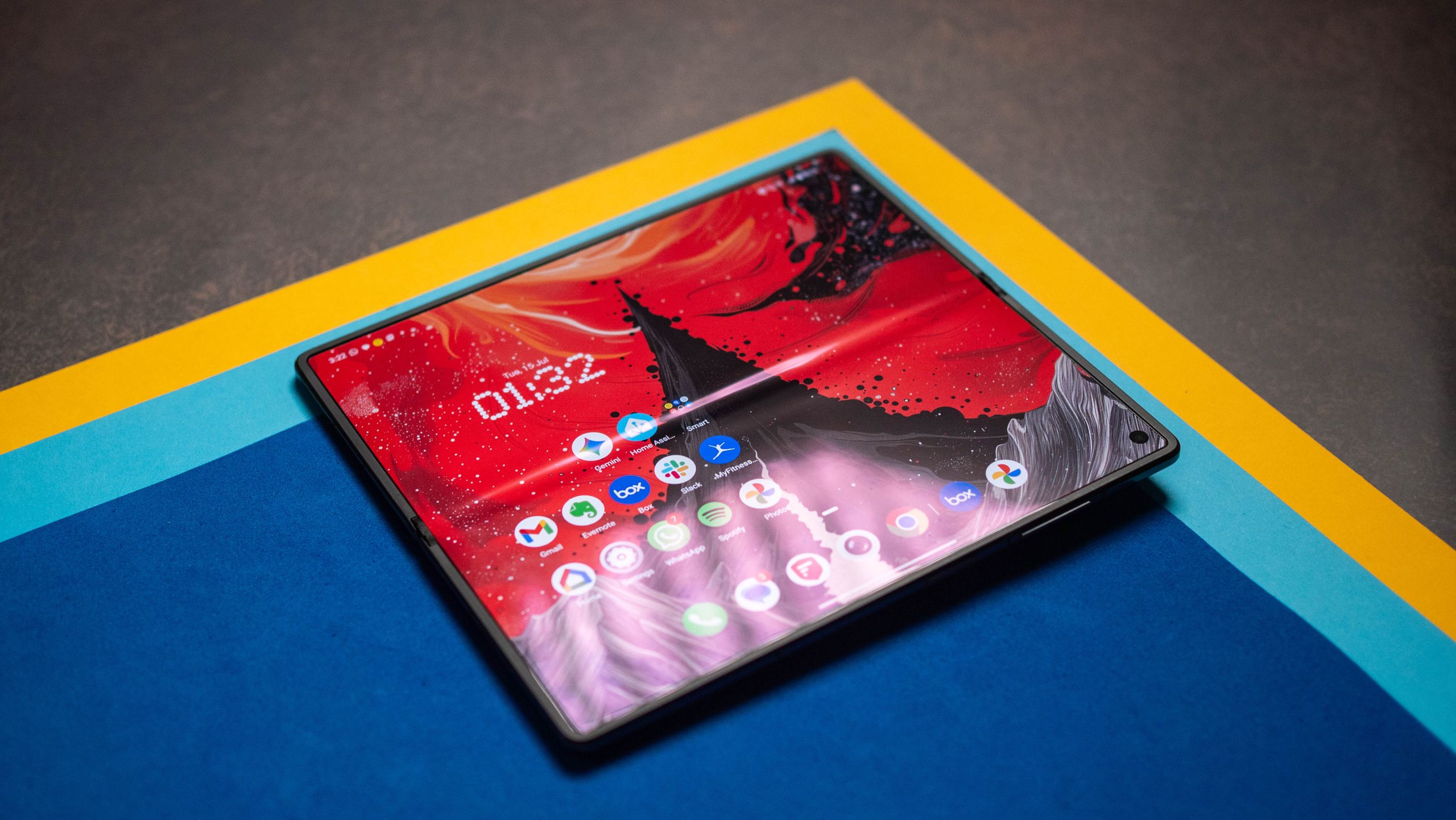
To understand the weight of Vivo’s rumored decision, one must look at the competitive landscape as it stands today and where it is expected to go. Samsung’s Galaxy Z Fold 8, which has continued to gain popularity and refine the foldable formula, features a 7.6-inch inner screen. This size has become something of a "gold standard" for the industry, providing enough space for complex multitasking, immersive gaming, and enhanced productivity. Similarly, the rumored "iPhone Duo"—Apple’s long-anticipated entry into the foldable space—is also expected to feature a 7.6-inch screen, further cementing that dimension as the target for premium devices.
By choosing to go smaller, Vivo is essentially challenging the "bigger is better" narrative. In the community discussions following the leak, many users on Weibo appeared unphased by the smaller dimensions. Instead, there is a growing sentiment that internal components and technical specifications will be the true deciding factors. If Vivo can pack flagship-level cameras, a high-capacity battery, and a top-tier processor into a more compact wide-folding chassis, it could capture a segment of the market that finds current foldables too bulky or cumbersome for daily use.
Digital Chat Station further noted in replies to users that the majority of the hardware components for this device have already been "finalized." This suggests that the core engineering challenges have been met, and the remaining years will likely be spent on software optimization, refining the manufacturing process, and waiting for the right market conditions to launch a device that feels ahead of its time.
An Assortment of Rumors and Competitor Strategies
The resurgence of Vivo’s wide fold rumors comes at a time when several other manufacturers are also rumored to be refining their foldable offerings. The competition in the wide-foldable space has intensified ever since Samsung’s version took the market by storm, forcing other OEMs to rethink their designs.
Originally, it was rumored that both Vivo and Honor were developing wide-folding phones specifically to compete with the South Korean giant. At one point, speculation suggested that Vivo could debut such a device as the "X Fold 6." However, more recent data and product naming conventions have made that specific designation unlikely. Instead, this new project appears to be a distinct branch of Vivo’s research and development, separate from their standard annual refreshes.
Vivo is not the only player with "wide" ambitions, but they are seemingly the only one trending toward a smaller form factor. For instance, rumors surrounding Honor’s alleged wide-foldable competitor suggest a much more massive device. Reports indicate that Honor is aiming for a 7.6-inch internal display paired with a 5.5-inch cover screen. To power such a large display, Honor is reportedly looking at integrating a battery with a capacity of 7,000mAh or higher—a staggering figure for a foldable device, which usually struggles with battery life due to the space constraints of the hinge mechanism.
OPPO is also a major factor in this equation. Leaks suggest that OPPO has its own wide foldable in the works, featuring a 7.6-inch internal display and a 5.5-inch cover screen, mirroring the Honor specs. Crucially, OPPO’s device is rumored to be powered by Qualcomm’s Snapdragon 8 Elite Gen 6, a chipset that doesn’t even exist yet, further supporting the idea of a 2027 release window. There is a strong chance that OPPO is looking to debut its take on the wide foldable in the first quarter of 2027, placing it in direct competition with Vivo’s compact offering.
The "Android Central" Perspective on Vivo’s Strategy
Industry analysts have noted that Vivo’s desire to be different could be a calculated risk. We have already seen and experienced how popular Samsung’s Galaxy Z Fold 8 is, largely because it provides a "do-everything" screen. However, to imagine a wide foldable with a smaller inner display—one that is likely exceptionally thin—presents an intriguing alternative.
If Vivo can deliver a device that is thin enough to feel like a standard smartphone in the pocket but unfolds into a perfectly proportioned wide screen for media and typing, they may solve the "bulk" problem that still plagues the foldable category. The positive reception to these rumors on Chinese social media suggests that there is an appetite for "compact premium" devices. If the classic Vivo attention to camera technology and sleek aesthetics is applied to this smaller wide-fold form factor, it may well be a worthwhile addition to the market.
Looking Toward the 2027 Horizon
As we move toward 2027, the foldable market is expected to reach a new level of maturity. Issues that once defined the category—such as the visible screen crease, fragile display panels, and lackluster battery life—are being systematically addressed by engineers.
Vivo’s decision to finalize hardware components this early suggests a high level of confidence in their design. While the tech world is currently focused on the immediate future of AI integration and iterative hardware updates, Vivo’s long-term focus on a compact wide fold shows that the evolution of the smartphone form factor is far from over. Whether a sub-6.5-inch foldable can truly compete with the 7.6-inch behemoths from Samsung and Apple remains to be seen, but it ensures that the market will remain diverse and competitive for years to come.
For now, the mobile industry remains in a state of anticipation. With OPPO and Honor pushing for larger screens and massive batteries, and Vivo pivoting toward a more refined, compact experience, the "wide fold" wars of 2027 are already beginning to take shape. While much remains unknown regarding the final branding and global availability of these devices, the commitment to innovation from brands like Vivo ensures that the future of Android hardware will be anything but predictable.
 Mobile Device Management (MDM) & Mobile OS
Beyond Simple Blocking: How AI-Powered Context is Redefining Digital Safety for the Modern Parent
In the contemporary landscape of parenting, the mandate to protect one’s children...
 Mobile Device Management (MDM) & Mobile OS
Samsung Reportedly Shifting Strategy for Galaxy S27 Series with New ‘Pro’ Model and Premium-Heavy Production Goals
As the global smartphone market continues to gravitate toward high-end, feature-rich devices,...
 Mobile Device Management (MDM) & Mobile OS
Google Announces Expansive November Pixel Drop Bringing Gemini Intelligence and Enhanced Customization to Older Devices
Google has officially pulled back the curtain on its highly anticipated November...







