
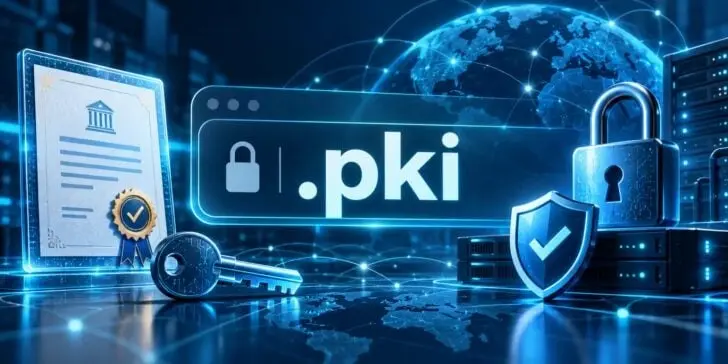
The timing of the .pki announcement is particularly relevant given the current schedule of ICANN’s New gTLD Program. On Wednesday, ICANN is expected to reveal the full list of applications for the latest round of TLDs. This disclosure will provide a clearer picture of the competitive landscape and the various ways in which organizations intend to utilize the next generation of internet extensions. Verisign’s proactive disclosure of its .pki application sets the stage for its participation in this expansion of the domain name system.
The introduction of Verisign Informed and the pursuit of the .pki TLD represent a multifaceted approach to internet security. On one hand, Verisign is providing a technical solution to the immediate problem of stale trust and rapid AI-enabled exploitation. On the other, it is seeking to secure a piece of the internet’s naming real estate that is synonymous with the very technology it aims to protect.
As the industry moves toward the 2027 launch window for Verisign Informed, the focus will likely remain on how effectively the service can be integrated into existing web browsers, operating systems, and enterprise security stacks. The success of the product will depend on its ability to provide near-instantaneous responses without introducing latency that could degrade the user experience. Given Verisign’s history of maintaining 100% operational uptime for its core registry services, the industry will be watching closely to see if that same level of performance can be translated to the world of real-time certificate status validation.
For now, the announcement serves as a reminder that as the tools used by attackers evolve, the infrastructure of trust must evolve in kind. By addressing the nuances of certificate revocation and the naming conventions of the security industry, Verisign is positioning itself to remain at the center of the conversation regarding how the global internet stays both connected and secure. The upcoming revelations from ICANN will likely shed more light on how .pki fits into the broader ecosystem, but Verisign has already made its intentions clear: the future of digital trust requires more than just a certificate; it requires a constant, real-time flow of accurate information.
 Web Hosting & Domain Management
Slovenia’s .si Domain Experiences Unprecedented Surge Following "Super Intelligence" Executive Order
The digital landscape of Slovenia’s country-code top-level domain (ccTLD), .si, has undergone...
 Web Hosting & Domain Management
Corporate Giants and Emerging Startups Secure Strategic Digital Real Estate in Latest Domain Sales Report
The secondary domain name market continues to serve as a reliable barometer...
 Web Hosting & Domain Management
Domain Owners Face Imminent Cost Increases as Verisign Sets November Deadline for .Com Price Hike
The landscape of the internet’s most valuable digital real estate is poised...







