
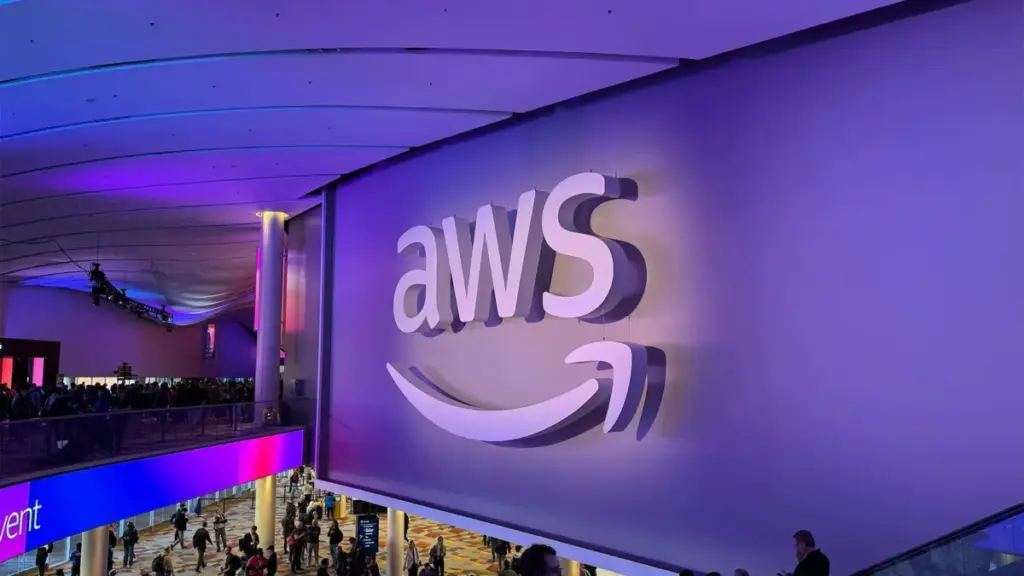
The UK Home Office is preparing to significantly escalate its investment in digital infrastructure, with new procurement documents revealing plans for a massive cloud services contract with Amazon Web Services (AWS) that could exceed £1 billion. This proposed agreement represents one of the largest single cloud commitments in the history of the British public sector, signaling a profound intensification of the government’s reliance on hyperscale technology providers to manage its critical data and operational requirements.
According to a procurement pipeline document published on October 30, the Home Office has outlined a strategic roadmap for its cloud hosting needs that extends well into the next decade. The proposed contract is scheduled to commence on December 1, 2027, and is initially intended to run for two years, concluding on December 1, 2029. However, the agreement includes provisions for a potential two-year extension, which would push the final expiration date to December 2031.
The financial scale of the commitment is substantial. Including VAT, the renewed contract is projected to cost the Home Office a total of £1,057,945,209. When the full four-year term—including the two-year extension—is considered, the department’s annual expenditure on AWS services would average more than £260 million. This figure highlights the central role that cloud computing now plays in the delivery of essential government services, ranging from immigration and border control to national security and policing systems.
A Significant Escalation in Digital Spending
The billion-pound valuation of the upcoming contract marks a dramatic increase compared to previous agreements between the Home Office and AWS. In 2023, the department signed what was then considered a landmark deal for public cloud hosting services, valued at approximately £450 million. That existing contract is currently in effect and is set to expire on November 30, 2026.
The transition from a £450 million agreement to one exceeding £1 billion represents more than a doubling of the department’s financial commitment to Amazon’s cloud platform. While the 2023 deal was primarily focused on standard public cloud hosting, the newly proposed contract appears to encompass a broader range of technical requirements. Notice documents for the renewal state that the extension is designed to "support the Home Office’s current and future cloud hosting requirements," suggesting a more comprehensive integration of cloud technologies into the department’s long-term digital strategy.
A closer analysis of the service descriptions reveals key differences between the two agreements. While the 2023 contract was specifically tailored toward public cloud hosting services, the proposed 2027 framework explicitly includes "cloud backups." This addition suggests an expansion of the partnership to include high-level data resilience and disaster recovery services, reflecting a growing necessity for the government to protect vast quantities of sensitive citizen data against cyber threats and system failures.
Despite the scale of the announcement, both the Home Office and AWS have remained guarded regarding the specific details of the negotiations. When approached for comment, the Home Office did not provide a response by the time of publication. AWS, meanwhile, directed inquiries back to the department for further clarification on the contract’s specifics.
Growing Public Sector Cloud Spend
The Home Office’s move is the latest and most prominent example of a broader trend across the UK public sector, where spending on cloud infrastructure has reached unprecedented levels. Data from market analysis firm Bidskim indicates that total cloud spending across various government departments and public bodies now exceeds £1.64 billion. This expenditure is spread across 249 individual contracts involving 137 different public organizations.
Within this competitive landscape, AWS has emerged as the dominant force. The company currently accounts for a vast majority of the public sector’s cloud budget, securing approximately £1.22 billion in contracts. This dwarfs the spending on its nearest rival, Microsoft Azure, which holds roughly £355 million in public sector agreements. Other major players, such as Google Cloud and Oracle, represent a much smaller fraction of the market, collectively accounting for just 4% of the total cloud spend.
The Home Office and HM Revenue & Customs (HMRC) are the two primary drivers of this spending. Combined, the contracts held by these two departments were worth an estimated £800 million following three-year deals secured in 2023. The proposed billion-pound renewal by the Home Office suggests that this concentration of spending is only set to increase as departments move away from legacy on-premise servers toward more agile, scalable cloud environments.
Political Scrutiny and Concerns Over Market Concentration
The rapid rise in cloud costs and the dominance of a single provider have not gone unnoticed in Westminster. AWS-related contracts have faced increasing scrutiny from lawmakers concerned about taxpayer value and the long-term implications of "vendor lock-in."
In late 2024, Lord Clement-Jones of the Liberal Democrats raised significant questions regarding the rising costs associated with the Home Office’s relationship with AWS. He expressed concern that the department was effectively being "held to ransom" by its reliance on a specific provider, arguing that the lack of diversity in the government’s technology stack could lead to spiraling costs and reduced bargaining power in the future.
Clement-Jones also highlighted the risks of "cloud concentration," a phenomenon where a small number of companies—specifically AWS and Microsoft—control the vast majority of the infrastructure supporting critical national services. Critics argue that this concentration creates a single point of failure and limits the ability of smaller, domestic technology firms to compete for government business. If a major provider were to experience a significant outage or adjust its pricing models aggressively, the government would have few viable alternatives to maintain its digital operations.
The debate over cloud concentration comes at a time when regulatory bodies are also taking a closer look at the market. Concerns about the difficulty of switching providers and the restrictive nature of some licensing agreements have prompted broader discussions about the need for a more competitive and multi-cloud approach within the public sector.
Home Office Courts Market Engagement
As the Home Office prepares for the formal procurement process, it is taking steps to engage with the wider technology market. The department has set a deadline of December 8 for market engagement regarding the upcoming contract proposal. This phase is intended to allow potential suppliers to understand the department’s requirements and provide feedback on the proposed framework.
A key part of this process is a "virtual market engagement" event led by TechUK, the trade association for the UK’s technology sector. This event is specifically targeted at suppliers registered on G-Cloud 15, the latest iteration of the government’s framework designed to simplify the procurement of cloud-based computing services by public sector organizations. By engaging with G-Cloud 15 suppliers, the Home Office aims to ensure that its procurement process remains transparent and aligned with current industry standards.
The timeline for the new contract is carefully structured to ensure a smooth transition from the current agreement. Following the conclusion of the market engagement phase in December, a formal tender notice is expected to be published on January 4, 2027. This will initiate the official bidding process, allowing the department to finalize its partnership nearly a year before the new contract is set to begin in December 2027.
This proactive approach to procurement suggests that the Home Office is acutely aware of the complexities involved in managing a billion-pound digital infrastructure. As the department continues to modernize its systems, the balance between leveraging the power of hyperscale providers like AWS and maintaining competitive, cost-effective oversight will remain a central challenge for government IT leaders.
 Helpdesk & IT Service Management (ITSM)
National Grid Secures Land for UK’s Largest Substation at Teesside to Power Massive Data Center and AI Infrastructure
In a move that signals a major shift in the United Kingdom’s...
 Helpdesk & IT Service Management (ITSM)
CISA Issues Emergency Directive as "PHP2Shell" Vulnerabilities Trigger Global Exploitation Surge
The United States Cybersecurity and Infrastructure Security Agency (CISA) has issued an...
 Helpdesk & IT Service Management (ITSM)
Uber Data Breach Exposes Personal Information of Thousands of Drivers Following Third-Party Vendor Compromise
A significant security breach has compromised the personal information of thousands of...







