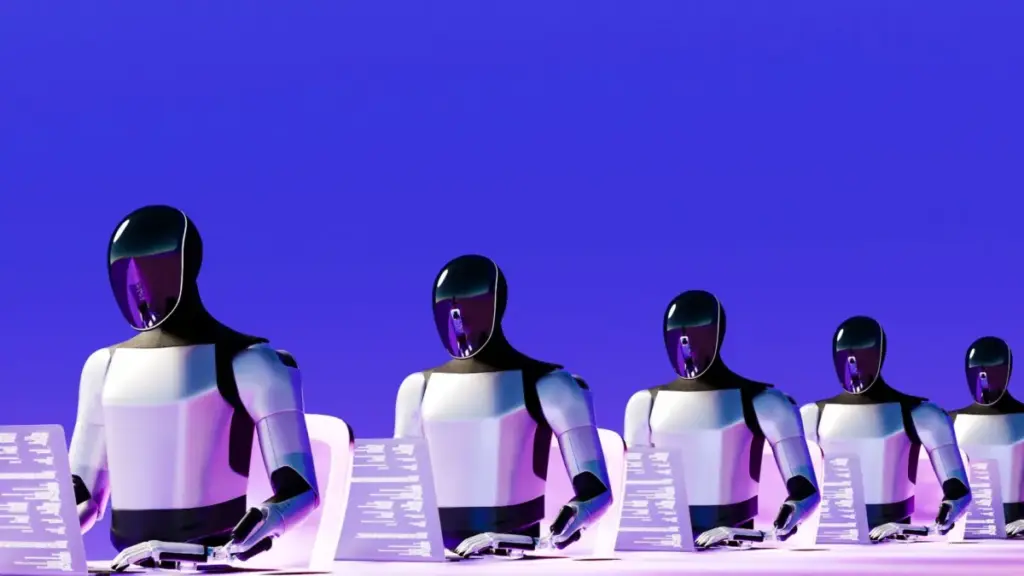
The move to scrap graded homework does not necessarily mean that students are no longer expected to practice. Instead, it reframes the purpose of homework. In this new model, assignments are treated as a resource for self-study rather than a high-stakes performance. Students are encouraged to complete the work to prepare for the in-person exams, which now carry the full weight of their academic standing. This places the responsibility for learning squarely on the student. Those who use AI to "complete" their practice work may find themselves woefully unprepared when they sit down for a supervised exam without their digital assistants.
While this approach solves the immediate problem of grading integrity, it also highlights the growing divide between traditional educational methods and the rapidly evolving technological landscape. UC Berkeley has long been at the forefront of technological innovation, yet even its most brilliant minds are finding that some aspects of human development cannot be automated. The "correctness" of an answer, which was once the primary goal of a math problem, has become a commodity that can be generated for free. As a result, the value of education is shifting away from the final product and back toward the process of human thought.
As the academic year progresses, the results of this pedagogical shift will likely be watched closely by other departments and institutions. If Borcherds’ experience is any indication, the era of the take-home test and the graded problem set may be drawing to a close in the STEM fields. The return to the lecture hall and the blue book exam represents a defensive measure against a technology that is moving faster than institutional policy can adapt.
For the students at UC Berkeley, the message is clear: the era of "gaming the system" through digital shortcuts is being met with a return to supervised, manual rigor. While the world outside the classroom may be increasingly automated, the path to a degree in higher mathematics at Berkeley will continue to require the one thing AI cannot yet simulate: the unassisted, verified effort of the human brain. The decision made by Professor Borcherds serves as a stark reminder that in the age of artificial intelligence, the most valuable asset a student possesses is the knowledge they can prove they have when the screens are turned off.
 Hardware Reviews & PC Building
Cinebench world record that stood for 12 years gets toppled — OC expert scores 10.8cb in Cinebench R11.5 using an…
The achievement is not merely a personal victory for Luumi but a...
 Hardware Reviews & PC Building
Tom’s Hardware Premium Explores Apple’s Long-Awaited Transition to OLED and Touch-Enabled MacBooks
In an era where hardware specifications often plateau, the deeper narrative behind...
 Hardware Reviews & PC Building
NVIDIA’s Next-Generation Powerhouse: Anticipating the GeForce RTX 5080 and the Blackwell Architecture Shift
The technology industry stands on the precipice of another major shift in...