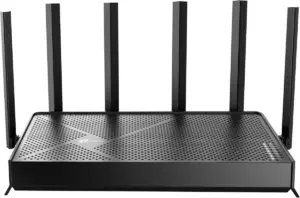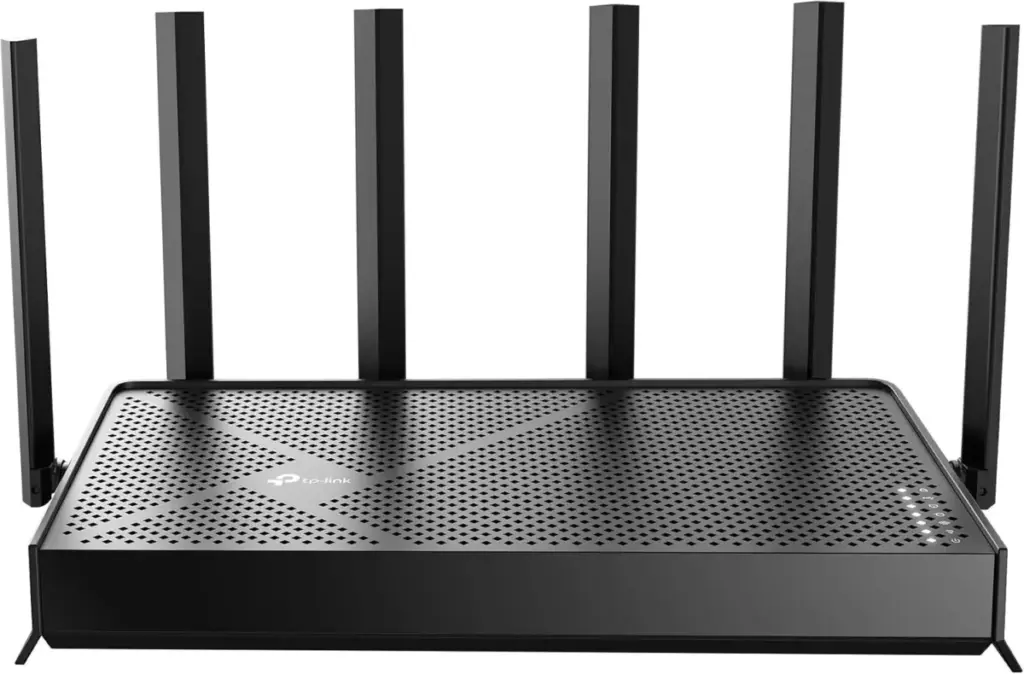
The landscape of home networking is currently undergoing one of its most significant transformations in a decade, driven by the rapid adoption of the Wi-Fi 7 standard. While new wireless generations typically remain the exclusive domain of early adopters and high-budget enthusiasts for several years after launch, the transition to Wi-Fi 7 has moved at a surprisingly aggressive pace. In a development that marks a significant milestone for consumer accessibility, the TP-Link Archer BE9500 tri-band Wi-Fi 7 router has reached a new pricing floor, appearing at Best Buy for just $89.99. This price point is particularly notable because it brings high-performance, tri-band connectivity into a territory previously occupied only by entry-level Wi-Fi 6 or mid-range Wi-Fi 6E hardware.
The emergence of Wi-Fi 7, technically known as 802.11be or "Extremely High Throughput," promised to revolutionize how we handle data-heavy environments, and the market has responded with a flood of new hardware. Over the past several months, the industry has seen various dual-band Wi-Fi 7 routers dip below the $100 mark, occasionally even touching the $80 range during major holiday sales. However, those ultra-budget offerings often come with a significant technical compromise: the omission of the 6 GHz band. By operating only on the traditional 2.4 GHz and 5 GHz frequencies, those entry-level units miss out on one of the most transformative aspects of the modern wireless era. The TP-Link Archer BE9500 distinguishes itself by maintaining a full tri-band architecture, ensuring that users can actually utilize the 6 GHz spectrum that defines the high-end Wi-Fi 7 experience.
To understand the significance of this deal, one must look at the technical leap Wi-Fi 7 represents over its predecessors. While Wi-Fi 6 and 6E focused on improving efficiency in crowded environments, Wi-Fi 7 is designed for raw speed and ultra-low latency. It introduces several key technologies that the Archer BE9500 leverages to provide a more stable connection. Chief among these is Multi-Link Operation, or MLO. In previous generations, a device would connect to a single band—either 2.4 GHz, 5 GHz, or 6 GHz—and stay there until forced to switch. MLO allows a Wi-Fi 7-compatible device to connect to multiple bands simultaneously. This means a smartphone or laptop can transmit data across both the 5 GHz and 6 GHz bands at the same time, significantly increasing throughput and providing a redundant path for data if one band encounters interference.
The inclusion of the 6 GHz band in a sub-$90 router is a major shift for the industry. The 6 GHz frequency was first introduced with Wi-Fi 6E, offering a massive "greenfield" of spectrum that is not cluttered by older legacy devices like microwave ovens, old cordless phones, or neighbors’ aging Wi-Fi 4 routers. Because the 6 GHz band is so wide, it allows for 320 MHz channels—double the 160 MHz maximum found in Wi-Fi 6. This wider "highway" allows for much faster data transfers, which is essential for 4K and 8K video streaming, large file downloads, and the growing market for virtual and augmented reality headsets. By offering a tri-band solution at this price, TP-Link is effectively lowering the barrier to entry for the most advanced consumer wireless technology available today.
Beyond the raw frequency bands, the Archer BE9500 incorporates other Wi-Fi 7 staples that improve performance even for users who do not yet own the latest flagship smartphones or laptops. One such feature is 4096-QAM, or 4K-QAM. This is a modulation technique that packs more data into each signal. Compared to the 1024-QAM used in Wi-Fi 6, 4K-QAM offers a theoretical 20% increase in data transmission rates. This ensures that even in a busy household with dozens of smart home devices, tablets, and gaming consoles, the router can manage the traffic with greater precision and speed. Additionally, Multi-RU Puncturing is a sophisticated feature that allows the router to "carve out" and ignore specific parts of a frequency channel that are experiencing interference, rather than having to abandon the entire channel. This leads to much more reliable connections in dense urban environments or apartment complexes where signal overlap is a constant struggle.
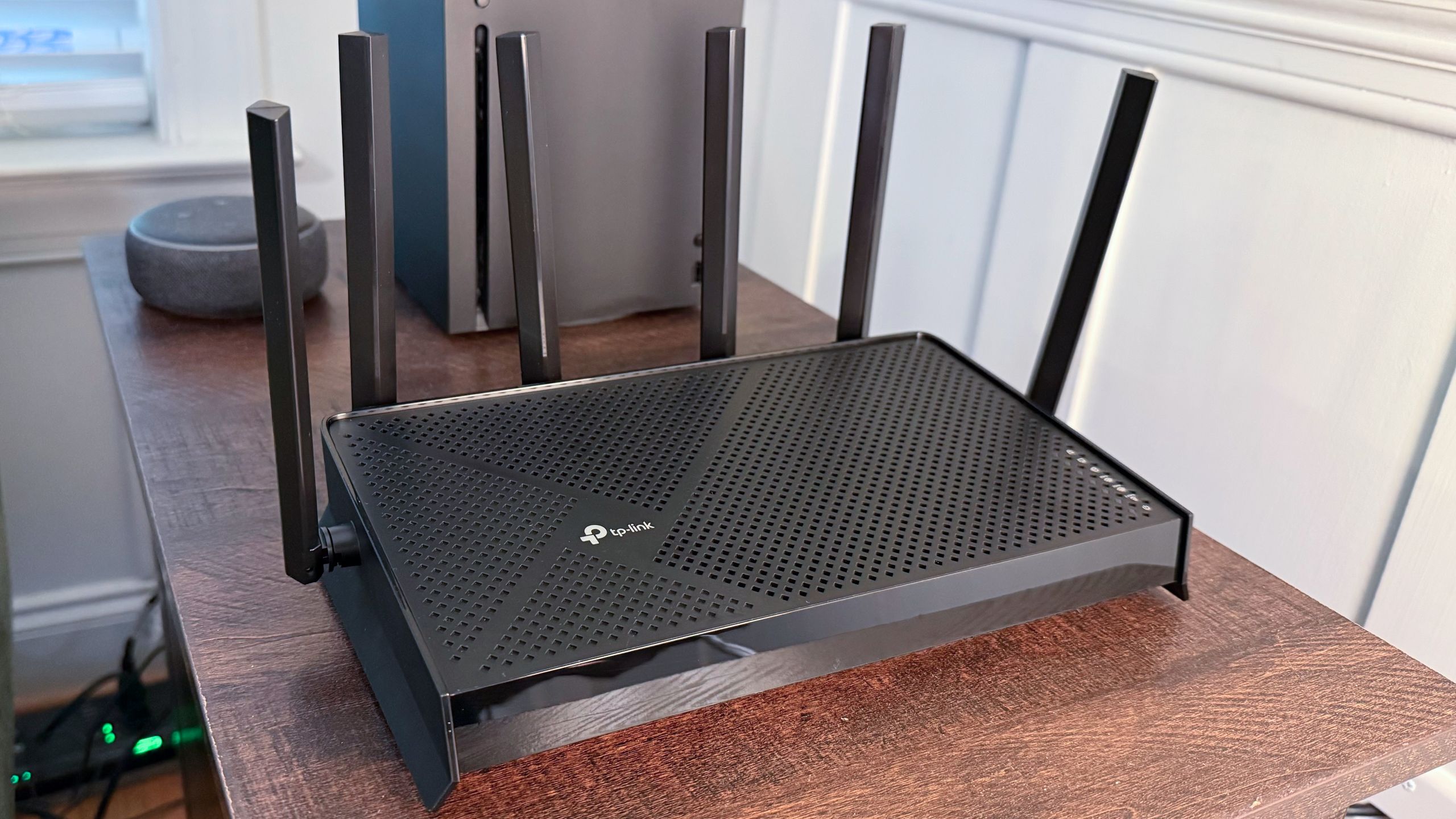
The physical design and port selection of the Archer BE9500 also reflect the needs of a modern high-speed home. As internet service providers increasingly offer fiber plans exceeding 1 Gbps, traditional Gigabit Ethernet ports have become a bottleneck. To combat this, modern routers in the Archer line typically feature multi-gigabit ports to ensure that the speed coming into the house from the modem isn’t throttled before it even reaches the wireless antennas. This hardware synergy is critical for users who want to future-proof their homes against the next decade of internet speed upgrades.
TP-Link has also bundled the Archer BE9500 with a value-added software component that has become standard across its premium networking line. The router includes one year of HomeShield Premium service. In an era where cybersecurity threats are increasingly targeting unsecured IoT devices like smart cameras, thermostats, and refrigerators, built-in network security has become a major selling point. HomeShield Premium provides real-time network scanning to identify potential vulnerabilities, as well as robust parental controls that allow heads of households to manage screen time and filter content for different family members. It also includes Quality of Service tools that allow users to prioritize specific types of traffic, such as ensuring a work-from-home Zoom call or a competitive gaming session receives bandwidth priority over a background system update.
The timing of this price drop at Best Buy highlights a broader trend in the consumer electronics sector. As the manufacturing processes for Wi-Fi 7 chipsets mature, the cost of production has fallen more rapidly than many industry analysts initially predicted. This has allowed manufacturers like TP-Link to aggressively price their hardware to capture market share from competitors who may still be focused on moving older Wi-Fi 6 inventory. For the consumer, this creates a unique opportunity to skip an entire generation of technology—moving directly from Wi-Fi 5 or Wi-Fi 6 to Wi-Fi 7—without the traditional "early adopter tax" that usually accompanies such a jump.
Market competition in the networking space has also intensified as more devices supporting Wi-Fi 7 hit the shelves. The latest generations of flagship smartphones from Apple, Samsung, and Google, as well as the newest high-end laptops powered by Intel and AMD’s latest chips, all feature Wi-Fi 7 compatibility. As these devices become more common in the hands of average consumers, the demand for routers that can actually support their capabilities has spiked. Retailers like Best Buy are responding by offering aggressive discounts to ensure they are the primary destination for these upgrades.
It is worth noting that while the Archer BE9500 is a high-performance unit, its success at this price point is part of TP-Link’s broader strategy to dominate the "prosumer" and mainstream markets. The company has long been known for offering hardware that rivals much more expensive brands in terms of raw specifications and ease of use. The Archer series is typically praised for its straightforward setup process via the Tether app, which allows users to configure their entire network from a smartphone in a matter of minutes. This accessibility is vital for a product like the BE9500, which brings complex enterprise-grade features like 6 GHz tri-band operation to a non-technical audience.
The $89.99 price tag for the Archer BE9500 represents more than just a simple sale; it is a sign of the normalization of ultra-high-speed home networking. Only a few years ago, tri-band routers were considered boutique items costing upwards of $400 or $500. To see that same architectural complexity available for less than $100 is a testament to the speed of technological deflation in the networking category. This deal effectively bridges the gap between basic connectivity and high-end performance, making it one of the most compelling options currently available for anyone looking to refresh their home office or entertainment setup.
As home environments continue to integrate more bandwidth-hungry applications—ranging from high-definition cloud gaming to AI-driven smart home ecosystems—the underlying network infrastructure becomes the foundation of the digital experience. A router like the TP-Link Archer BE9500, with its support for the latest Wi-Fi 7 standard and the inclusion of the critical 6 GHz band, provides the headroom necessary to handle these modern demands. With the current promotion at Best Buy, the transition to the next generation of wireless technology has become significantly more affordable, signaling that the era of Wi-Fi 7 for the masses has officially arrived.
 Hardware Reviews & PC Building
Acer Predator Helios Neo 16S AI Review: Balancing Next-Gen Power with the Constraints of Portability
The landscape of high-end gaming laptops is currently undergoing a significant transformation....
 Hardware Reviews & PC Building
30 must-have PC tool gifts for hobbyists and makers — essential bench upgrades for enthusiasts with a project,…
The AI boom has created an insatiable demand for high-performance silicon, particularly...
 Hardware Reviews & PC Building
Taipei 101 lit up in support of Jensen Huang — skyscraper adorned with messages of support following resignation…
The backdrop to this public display of support is a corporate and...