
In the contemporary landscape of digital transformation, the backbone of any organization’s data storage infrastructure relies heavily on the quality and resilience of its hardware. Enterprise hard drives have become the essential components providing the necessary reliability, performance, and capacity required for mission-critical, continuously demanding applications. Unlike general-purpose hard disk drives (HDDs) found in standard consumer electronics, enterprise-grade drives are engineered specifically to meet the high-capacity, high-speed, and high-reliability needs of modern business data storage and access.
As data volumes continue to surge, driven by the rise of artificial intelligence, machine learning, and cloud-native applications, the distinction between consumer and enterprise hardware has never been more significant. To assist organizations in navigating this complex market, an extensive evaluation was conducted on 10 of the most widely used enterprise HDDs. These drives were tested across a variety of operational environments—including traditional data centers, desktop workstations, hybrid setups, cloud infrastructures, and network-attached storage (NAS) systems. Each drive was scored based on a comprehensive matrix including price, core features, enterprise-specific capabilities, vendor profiles, and customer support.
The following analysis details the top enterprise hard drive choices for 2023, highlighting how these battle-tested solutions perform under the heavy, continuous use typical of modern enterprise-grade scenarios.
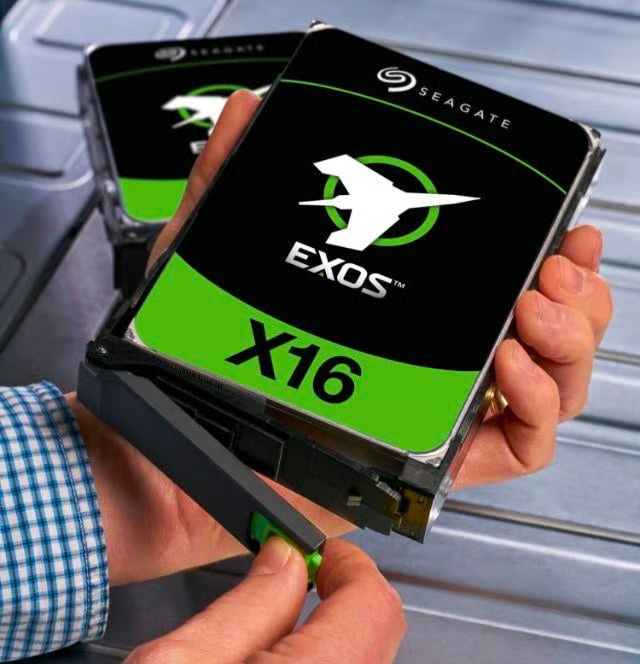
Seagate Exos: The Powerhouse for Heavy Workloads
The Seagate Exos series has established itself as a premier choice for server environments that demand consistent performance under grueling workloads. With an overall score of 4.43, the Exos series is particularly noted for its enterprise features, earning a perfect 5 in that category. These drives are available with either Serial AT Attachment (SATA) or Serial Attached SCSI (SAS) interfaces, providing the flexibility needed for various architecture requirements.
One of the standout specifications for the Exos series is its rating of 2.5 million hours of mean time between failure (MTBF). This metric is a critical indicator of the drive’s long-term reliability in environments where hardware failure can lead to significant downtime. Designed with many of the same principles as the Seagate IronWolf series but optimized for more intensive server-side applications, the Exos remains a top-tier contender for organizations prioritizing durability and high-volume data handling.
Seagate IronWolf Pro: Optimized for the Data Center
While similar in its lineage to the Exos, the Seagate IronWolf Pro is specifically tailored for data centers and high-capacity NAS applications. Scoring 3.93 overall, it is recognized as a leading solution for scenarios requiring high levels of performance and resilience. The IronWolf Pro is built to handle the complexities of SATA, SAS, and non-volatile memory express (NVMe) applications, making it a versatile asset in a modern storage array.
In the data center environment, where multiple drives operate in close proximity, vibration resistance and multi-user optimization are paramount. The IronWolf Pro addresses these needs, offering a balanced profile that supports heavy data traffic and continuous access. It remains a staple for IT professionals who need a drive that bridges the gap between high-end consumer NAS and full-scale enterprise server racks.
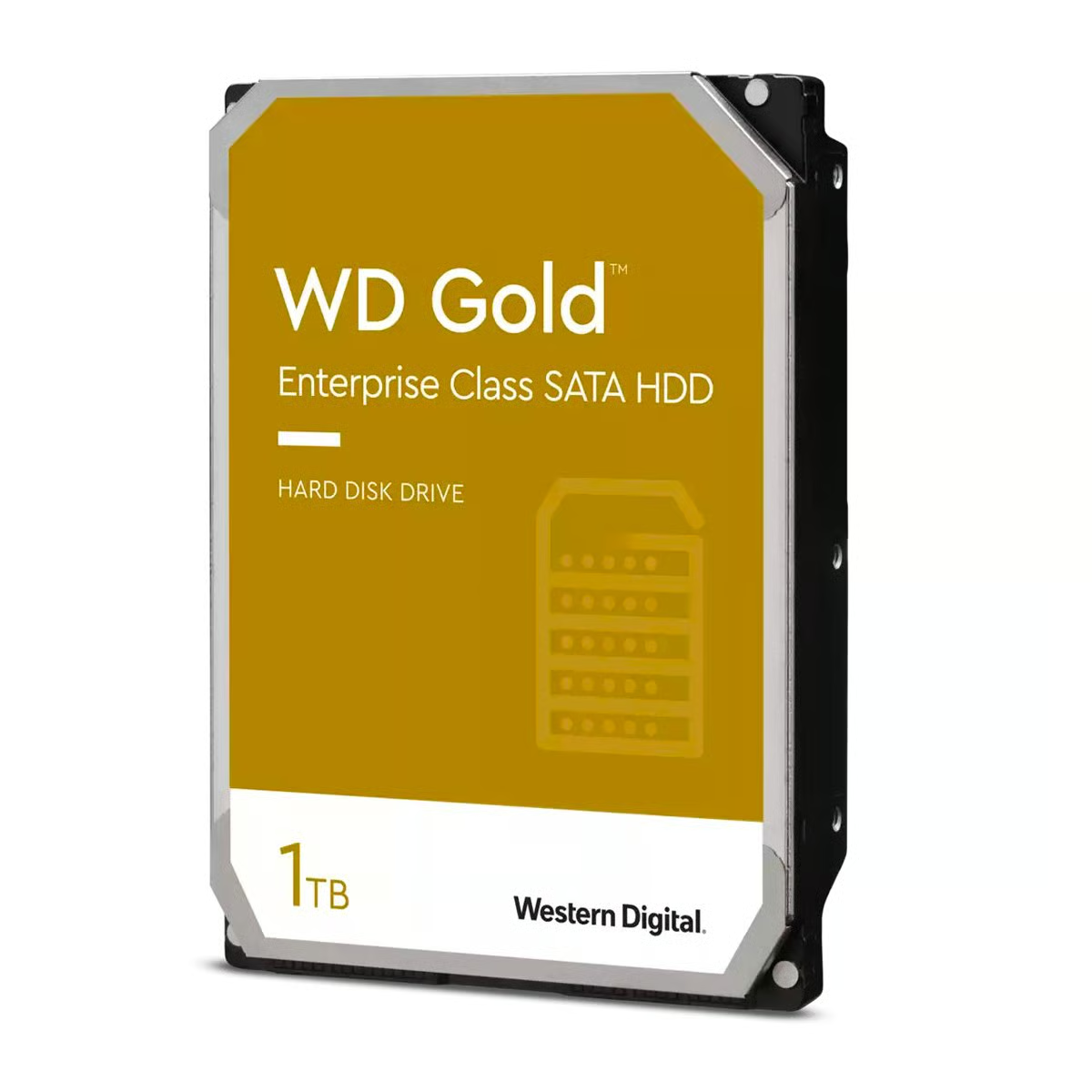
Western Digital Gold Enterprise: Versatility in Capacity
Western Digital’s Gold series represents the pinnacle of the manufacturer’s HDD lineup, achieving an impressive overall score of 4.78. It is frequently cited as the best option for organizations that require a wide range of size options and sustained transfer rates. The Gold series is not just about raw capacity; it incorporates sophisticated enterprise features like ArmorCache.
ArmorCache is Western Digital’s proprietary non-volatile cache solution. This technology is designed to improve performance while significantly reducing the risk of data loss—a common vulnerability in traditional DRAM-based caching systems during power fluctuations or unexpected system shutdowns. By combining high-end storage capacity with advanced data protection, the WD Gold series caters to the most demanding enterprise applications where data integrity is non-negotiable.
Toshiba MG Series: A Robust Choice for Mixed-Use Workloads
Toshiba’s MG Series hard drives are engineered to provide enterprise-level data management and optimized storage utilization. With an overall score of 4.58, these drives are particularly effective for supporting 24/7 mixed-use workloads. The MG Series offers capacity options ranging from 1 TB to 10 TB, catering to a broad spectrum of data center server and storage infrastructure needs.
The strength of the MG Series lies in its ability to maintain performance across varied tasks, from sequential data logging to random access queries. For organizations that do not require the massive scale of 20TB+ drives but need the reliability of an enterprise-grade mechanical structure, the Toshiba MG series provides a dependable and cost-effective foundation.
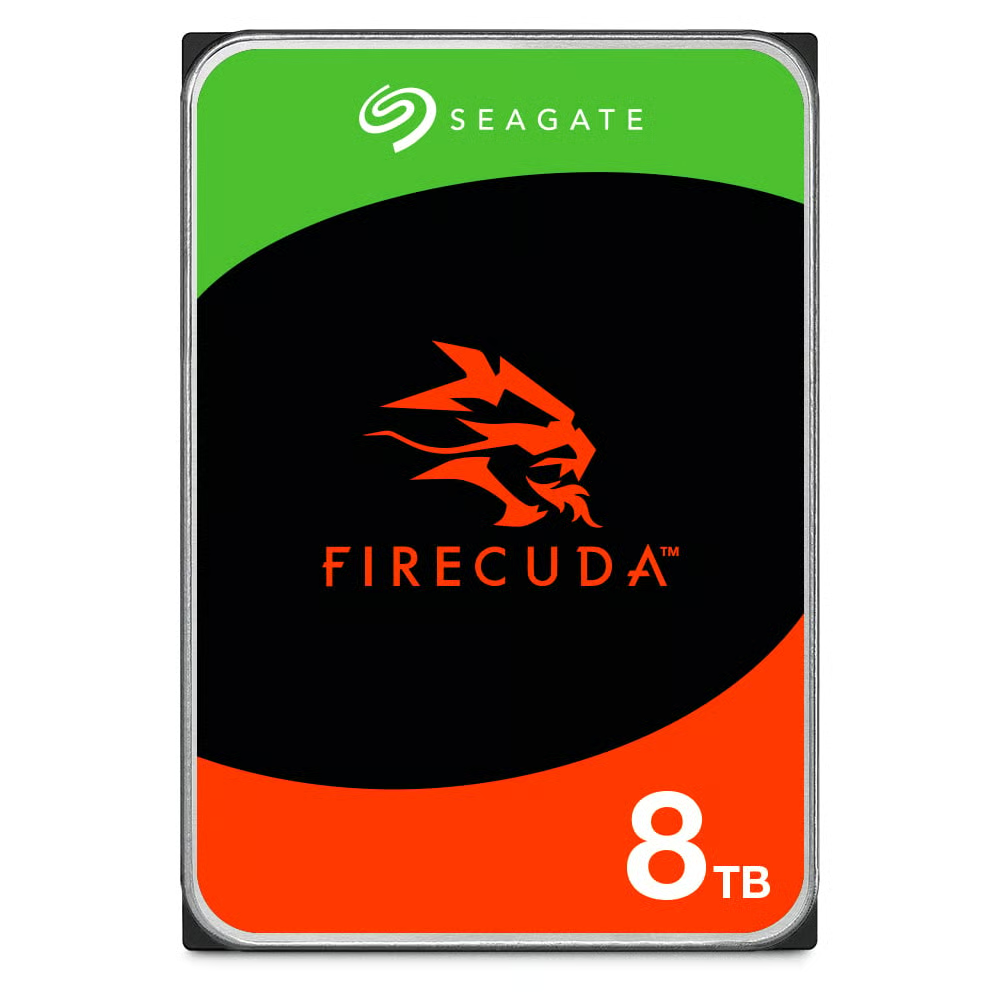
Seagate FireCuda: Performance Beyond Gaming
While the Seagate FireCuda is often associated with high-end gaming and intensive audio-visual (A/V) applications, its industrial-grade build makes it a surprisingly competent choice for enterprise storage. Earning the highest overall score in this evaluation at 4.95, the FireCuda excels in core features, enterprise features, and environment compatibility.
Its inclusion in the enterprise conversation is due to its high speed and reliability, which are essential for "vault" use cases—environments where rapid access to large files is required without compromising the safety of the stored data. The FireCuda demonstrates that hardware designed for the extreme demands of modern gaming can be effectively repurposed for professional data center applications that require high-burst performance and sustained endurance.
Western Digital Black: Enhancing the Enterprise Desktop
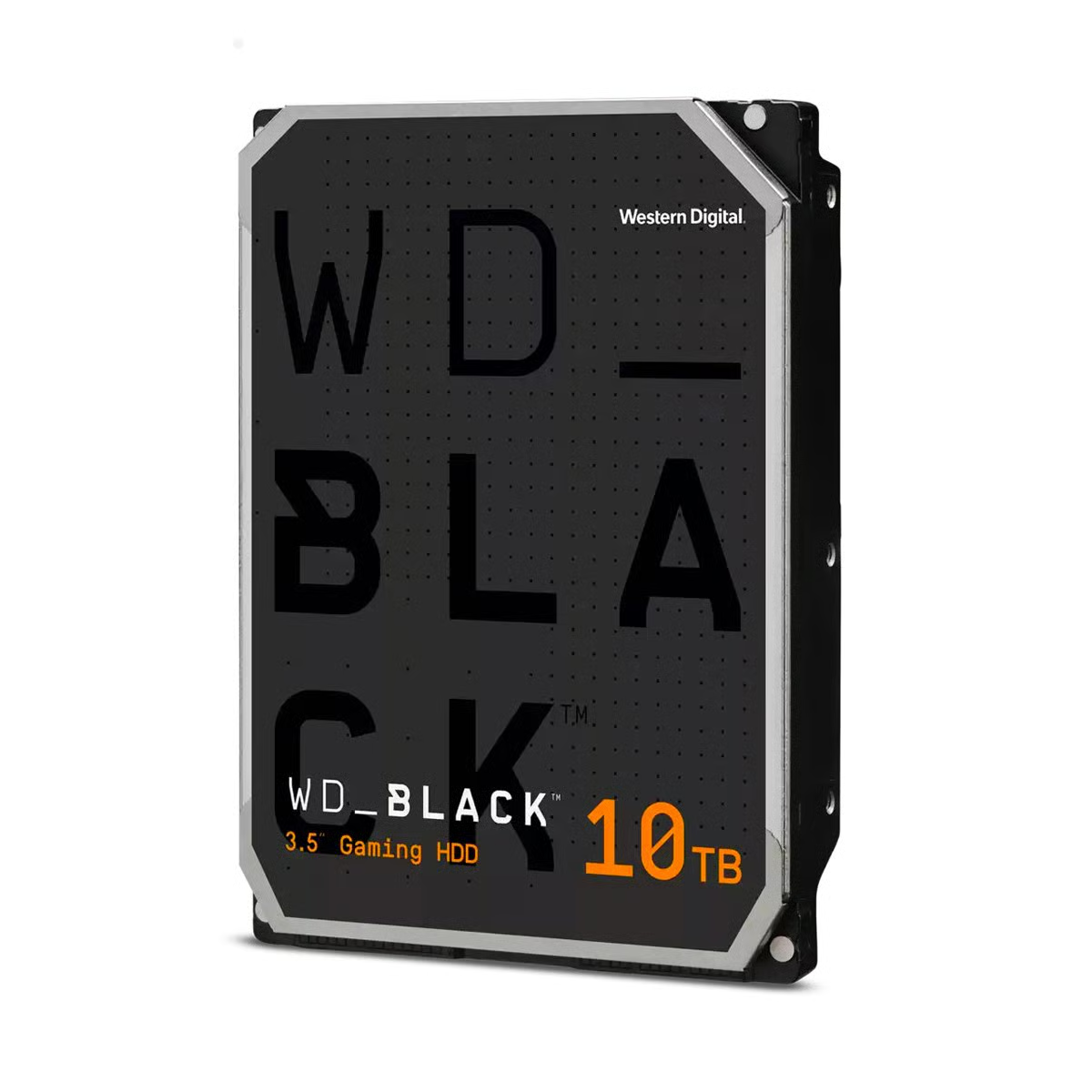
The Western Digital Black series remains a popular choice among IT professionals, specifically for high-end desktop and workstation environments. With an overall score of 4.05, these drives are distinguished by their 7,200 RPM spindle speeds in models of 4 TB and larger. This high rotational speed ensures that the drive can keep pace with demanding desktop applications, from software development to local data analysis.
While it may not have the same niche specialization as some of its counterparts, the WD Black is a capable contender for those who need a high-performance mechanical drive within a professional workstation. It offers a reliable alternative to SSDs for bulk storage where speed is still a significant factor in productivity.
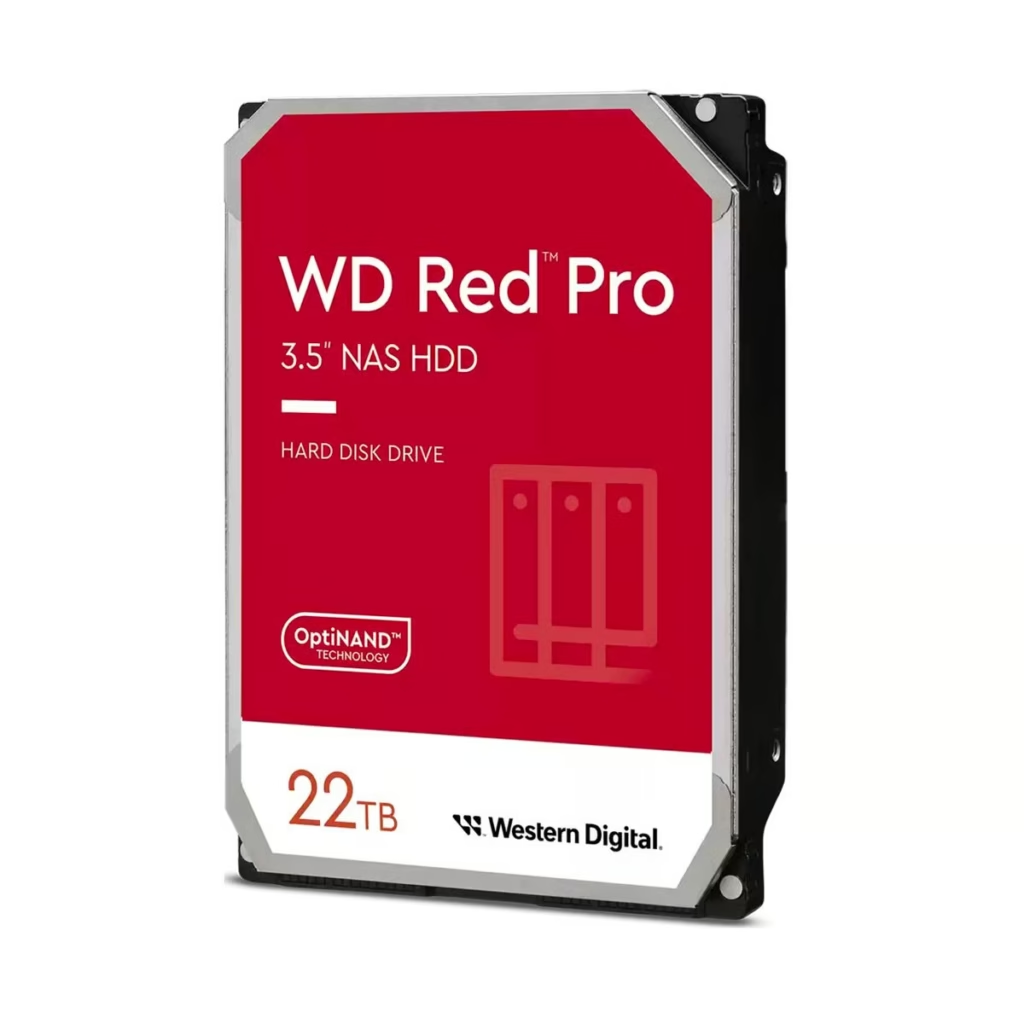
Western Digital Red Pro: The NAS Specialist
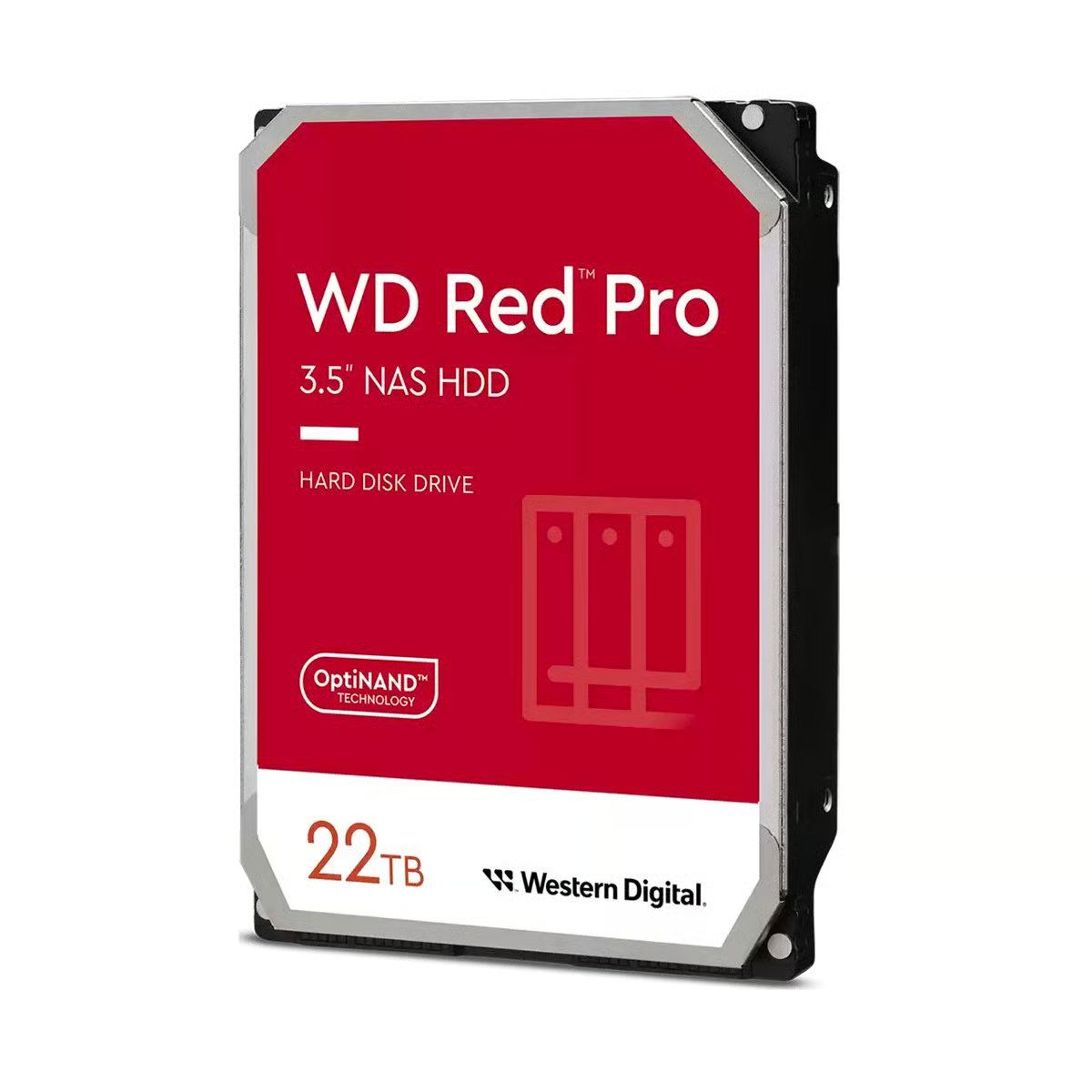
Similar in function to the Seagate IronWolf Pro, the Western Digital Red Pro is a dedicated NAS hard drive line. It achieved an overall score of 4.50, largely due to its exceptional performance in random workloads. This performance is bolstered by its 7,200 RPM spindle speed and the inclusion of 512MB of DRAM cache in models starting at 14TB.
NAS environments often involve multiple users accessing different files simultaneously, creating a complex pattern of random data requests. The Red Pro is specifically tuned to handle these multi-stream environments, ensuring that the NAS appliance remains responsive even under heavy collective demand.
Toshiba N300 NAS: Reliability for Smaller Organizations
The Toshiba N300 NAS hard drive is a 3.5-inch solution renowned for its endurance and performance in high-performance storage systems. Scoring 4.25 overall, it is available in capacities up to 18 TB. What makes the N300 particularly noteworthy is its price point, which makes enterprise-level reliability attainable for home offices, smaller organizations, and personal professional use.
The N300 is designed to operate in multi-drive NAS environments, featuring built-in RV (Rotational Vibration) sensors to mitigate the effects of vibration in multi-bay enclosures. This ensures that the drive maintains its performance and longevity even when packed into a dense storage chassis.
Seagate Skyhawk Series: Specialized for Surveillance and AI
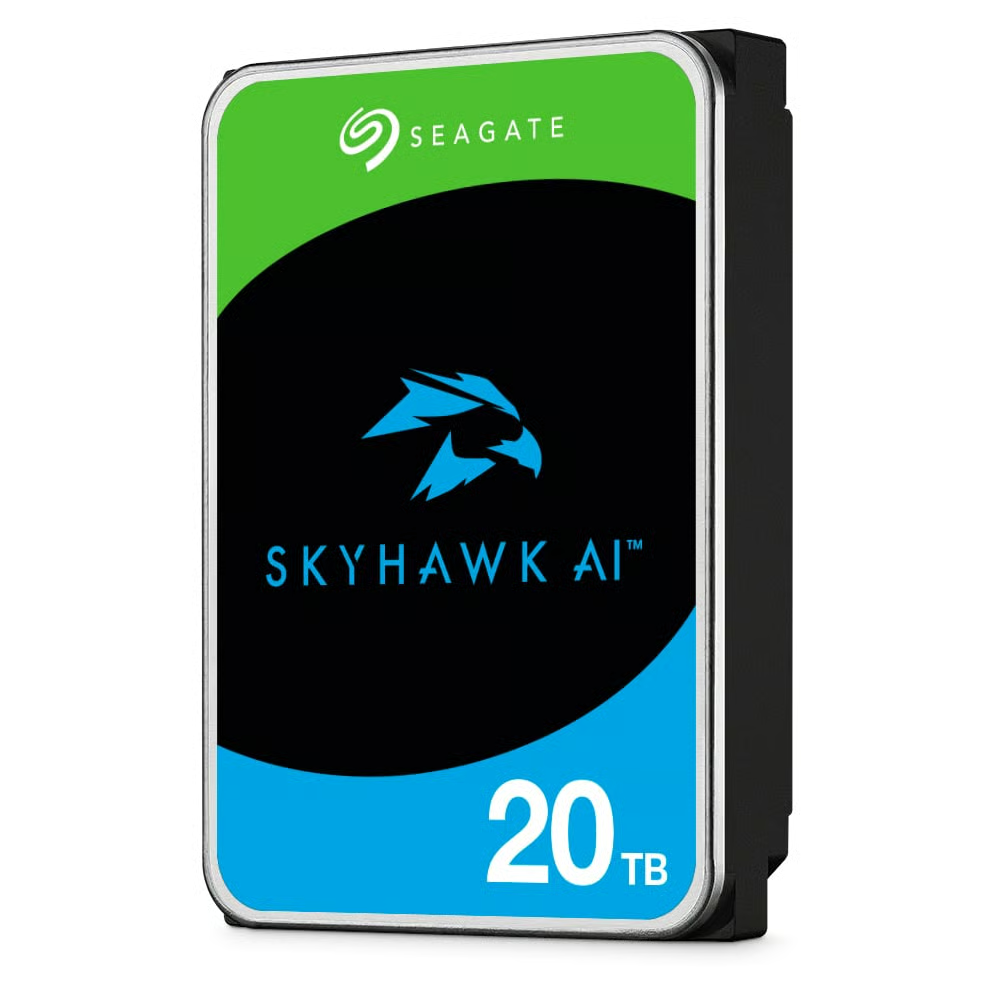
As video surveillance moves toward high-definition streams and AI-driven analytics, the demand for specialized storage has grown. The Seagate Skyhawk series, scoring 3.95, is designed for enterprise video analytics and imaging. These drives are optimized for Artificial Intelligence Network Video Recorders (AI NVRs), servers, and appliances that utilize deep learning capabilities.
The Skyhawk series is built to support high-write workloads, which are typical in surveillance where multiple cameras record 24/7. By prioritizing write performance and incorporating features that prevent frame loss, Seagate has created a drive that meets the specific rigors of modern security and analytics infrastructures.
Western Digital Purple Series: Comprehensive Security Storage
Competing directly in the surveillance space, the Western Digital Purple series earned a score of 4.55. These drives are specifically designed for 24/7 video recording and have been rigorously tested for compatibility with a wide array of security systems. The Purple series focuses on surveillance-class storage, ensuring that data is captured reliably across numerous camera streams.
The strength of the WD Purple series lies in its specialized firmware, which is designed to reduce video frame loss and improve overall playback performance. For enterprises maintaining large-scale security installations, these drives provide a foundation of trust for their safety and monitoring data.
Understanding the Key Features of Enterprise Hard Drives
When selecting hardware for a business infrastructure, enterprises must prioritize features that help future-proof their systems. The goal is to accommodate increasing data demands while ensuring interoperability with cloud services and hybrid solutions.
Reliability and durability are the most critical factors. Unlike consumer drives, which may only be active for a few hours a day, enterprise drives are built for 24/7 operation. They feature higher MTBF rates and are subjected to more rigorous testing protocols to ensure they can withstand the heat and vibration of a data center environment.
Performance optimization is another cornerstone. Enterprise drives are equipped with larger cache sizes, faster data transfer rates, and improved seek times. These optimizations allow them to handle high input/output (I/O) operations and maintain consistent performance levels even when the workload becomes heavy.
Error recovery and data protection mechanisms are also vital. Enterprise drives often include Time-Limited Error Recovery (TLER), which prevents a drive from staying in an error-recovery cycle for too long. In a RAID configuration, this is essential because it allows the RAID controller to manage the error rather than having the drive drop out of the array entirely, which could lead to a catastrophic failure of the storage volume.
Finally, power efficiency has become a major concern for modern data centers. With hundreds or thousands of drives running simultaneously, energy-efficient hardware can significantly reduce power consumption, cooling requirements, and overall operational costs.
Methodology: How the Drives Were Scored
The evaluation of these drives was based on a weighted scoring system designed to reflect the diverse priorities of a modern business. Core features, such as capacity, speed, and vibration resistance, accounted for 25 percent of the total score. Enterprise-specific features, including advanced error recovery and hardware security mechanisms, made up 20 percent.
Vendor support—encompassing live chat, documentation, and premium support channels—was weighted at 20 percent, reflecting the importance of manufacturer assistance in professional settings. The vendor profile itself, including reputation and market longevity, accounted for 15 percent. Pricing factors and the variety of supported operational environments (cloud, hybrid, desktop) made up the remaining 10 percent each.
Conclusion: Selecting the Right Drive for the Mission
In the current market, the enterprise hard drive space is dominated by a few key players—Seagate, Western Digital, and Toshiba. However, each of these vendors offers a vast and highly specialized lineup of drives. Choosing the right one requires a thorough assessment of specific organizational needs. Whether it is the surveillance-optimized Skyhawk, the workload-heavy Exos, or the NAS-specialist Red Pro, the right drive must offer a balance of capacity, performance, and long-term security.
As businesses continue to grapple with massive volumes of data, the role of the enterprise hard drive remains as vital as ever. By prioritizing hardware that is battle-tested for reliability and performance, organizations can ensure that their data infrastructure remains resilient in the face of ever-evolving digital demands.
 Enterprise Tech & Infrastructure
Quantum Elements Bridges the Hardware-Software Gap in Quest for Fault-Tolerant Computing
The journey toward a practical, large-scale quantum computer has long been defined...
 Enterprise Tech & Infrastructure
Navigating the Complexities of Amazon S3 Cost Management: Why the Per-Gigabyte Rate Is Only the Beginning
In the world of enterprise cloud infrastructure, Amazon S3 has long been...
 Enterprise Tech & Infrastructure
The Essential Architecture of Digital Storage: Understanding the Critical Role of Computer Memory Systems
In the modern computing landscape, the term "memory" serves as a broad...







