
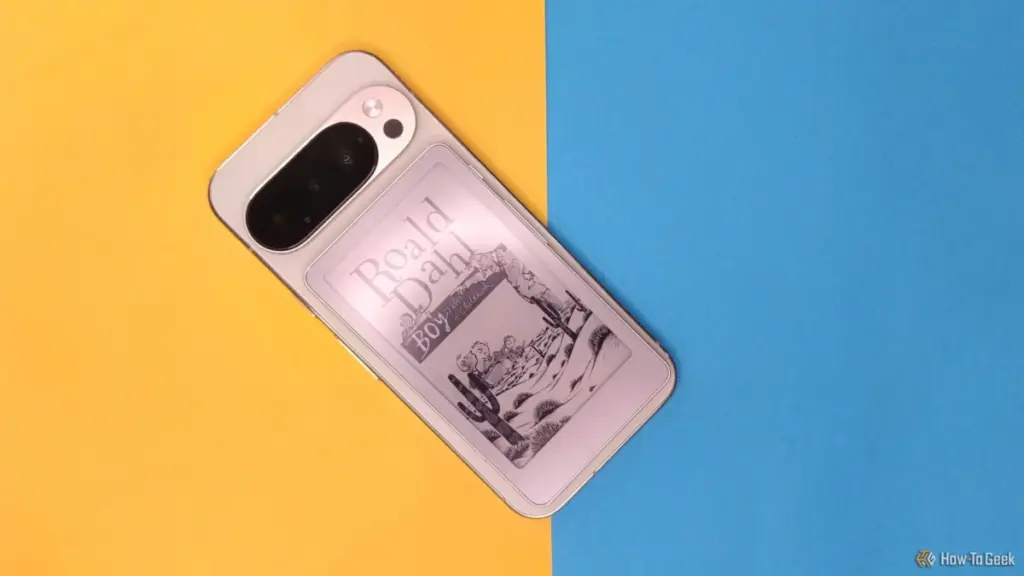
In the rapidly evolving landscape of E Ink technology, Onyx Boox has carved out a reputation for producing some of the most versatile and high-performing devices available. For those who prioritize portability and specialized reading experiences, the brand has often been the gold standard. However, even the most premium hardware can sometimes be let down by its ecosystem—or lack thereof. Such is the case with the Boox Picco, a miniature eReader that occupies a unique niche in the market but recently lost its most valuable accessory: the official MagSafe-compatible case.
The Boox Picco is a marvel of miniaturization, designed specifically for readers who find traditional 6-inch or 7-inch tablets too cumbersome for a daily commute or a quick reading session during a lunch break. It is a device built for the pocket, weighing a mere 58 grams, making it lighter than almost any modern smartphone. Its matte, slightly grainy back panel suggests a device meant to be held, yet its small stature also makes it the perfect candidate for magnetic mounting. For a brief period, Onyx Boox sold a dedicated MagSafe case for the Picco, allowing users to snap the reader onto the back of a phone or a magnetic stand. When that case was quietly pulled from the shelves, it left a significant gap in functionality that third-party manufacturers have yet to fill.
Faced with the disappearance of the official solution, the challenge became clear: if the manufacturer won’t provide the magnetic utility this device deserves, it must be added manually. The goal was to integrate MagSafe functionality without compromising the Picco’s signature lightness or its ergonomic appeal. As it turns out, the path to a DIY MagSafe eReader is paved with trial, error, and a deep dive into the physics of rare-earth magnets.
Finding the Right Magnet for the Job
The initial phase of any hardware modification involves sourcing components that balance strength with aesthetics. On the surface, adding a magnetic element to a device seems straightforward. The market is saturated with adhesive magnetic rings designed for iPhones and Android devices, typically intended to be stuck onto the back of a non-magnetic phone case. However, the requirements for the Boox Picco were inverted.
Most "MagSafe adapters" sold on platforms like Amazon or Best Buy are actually thin metal rings, not magnets themselves. They are designed to provide a ferrous surface for a MagSafe charger or mount to grab onto. To make the Picco stick to a smartphone—which itself contains the magnetic array—the reader needed an actual magnetized surface, not just a piece of metal. This distinction is where many DIY projects falter.
The Limits of Standard Adhesive Magnets
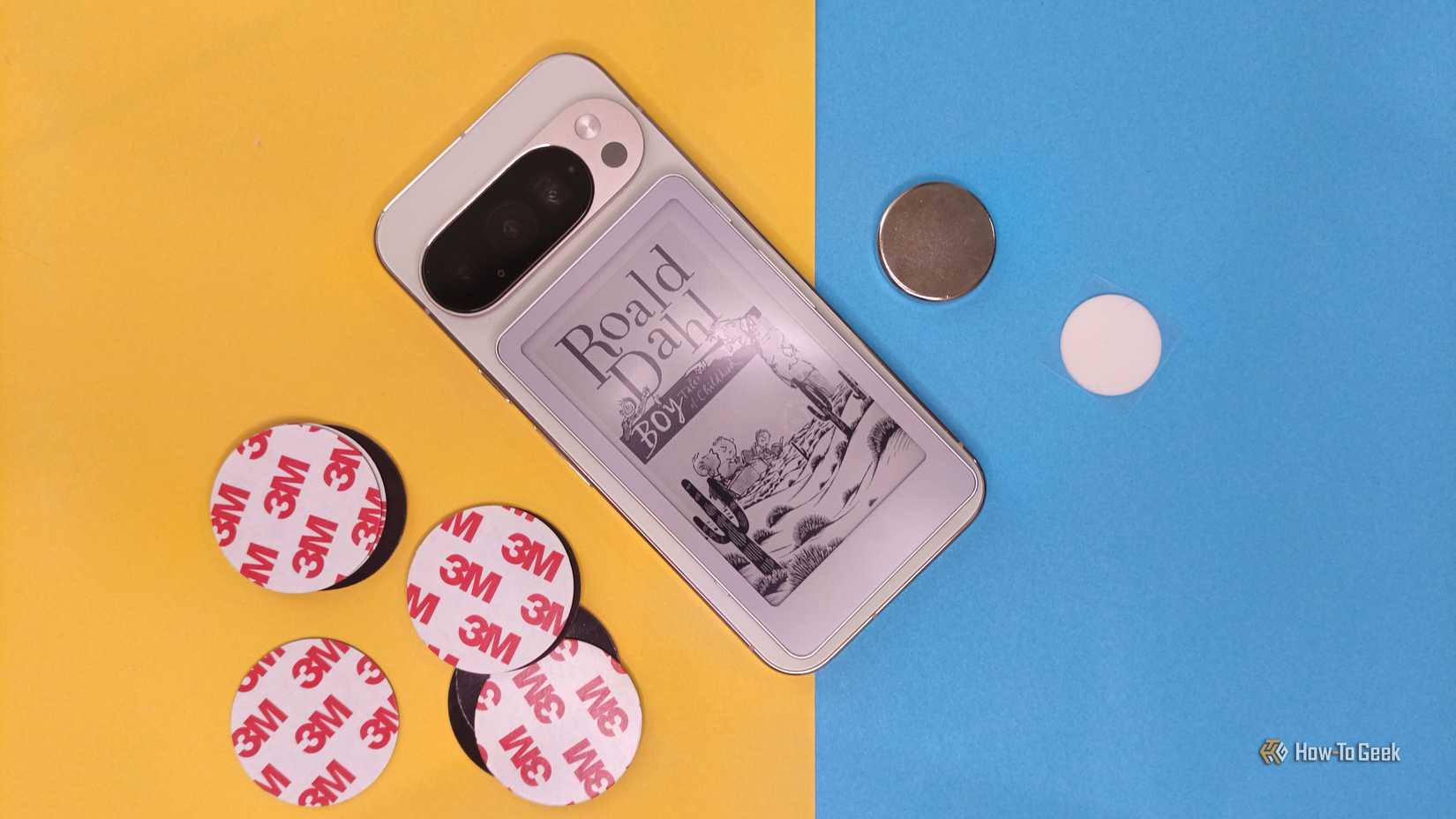
The search began in the craft and office supply sector. The first attempt involved a standard, flat, round magnetic sticker backed with 3M adhesive. These are ubiquitous in classrooms and offices, commonly used to turn lightweight photos or cards into fridge magnets. Given that the Boox Picco weighs only 58 grams—roughly a quarter of the weight of a premium smartphone like the Pixel 10 Pro—the assumption was that a basic craft magnet would provide sufficient pull.
The reality was disappointing. While the 3M adhesive bonded perfectly to the Picco’s textured back, the magnetic flux of the craft sticker was simply too weak. When placed against the back of a Pixel 10 Pro, the reader would slowly slide down or detach at the slightest tilt. It became evident that supporting even a featherweight device requires a more sophisticated magnetic solution. The project required a move away from flexible ferrite magnets and toward the powerhouse of the magnet world: neodymium.

Adding Magnets to a Mini Pocket eReader
Neodymium magnets, composed of an alloy of neodymium, iron, and boron, are the strongest type of permanent magnet commercially available. They are the same components found inside MagSafe-certified accessories and the internal arrays of modern flagship phones. To achieve a secure "snap" that would hold the Picco firmly in place during a bumpy train ride or while walking, a neodymium disk was the only viable option.
The second attempt utilized a specialized neodymium magnet kit that included a round disk and a corresponding double-sided 3M adhesive. The application process was simple: clean the back of the Picco to ensure no oils interfered with the bond, center the magnet, and apply pressure.
Thickness and Circumference Matter
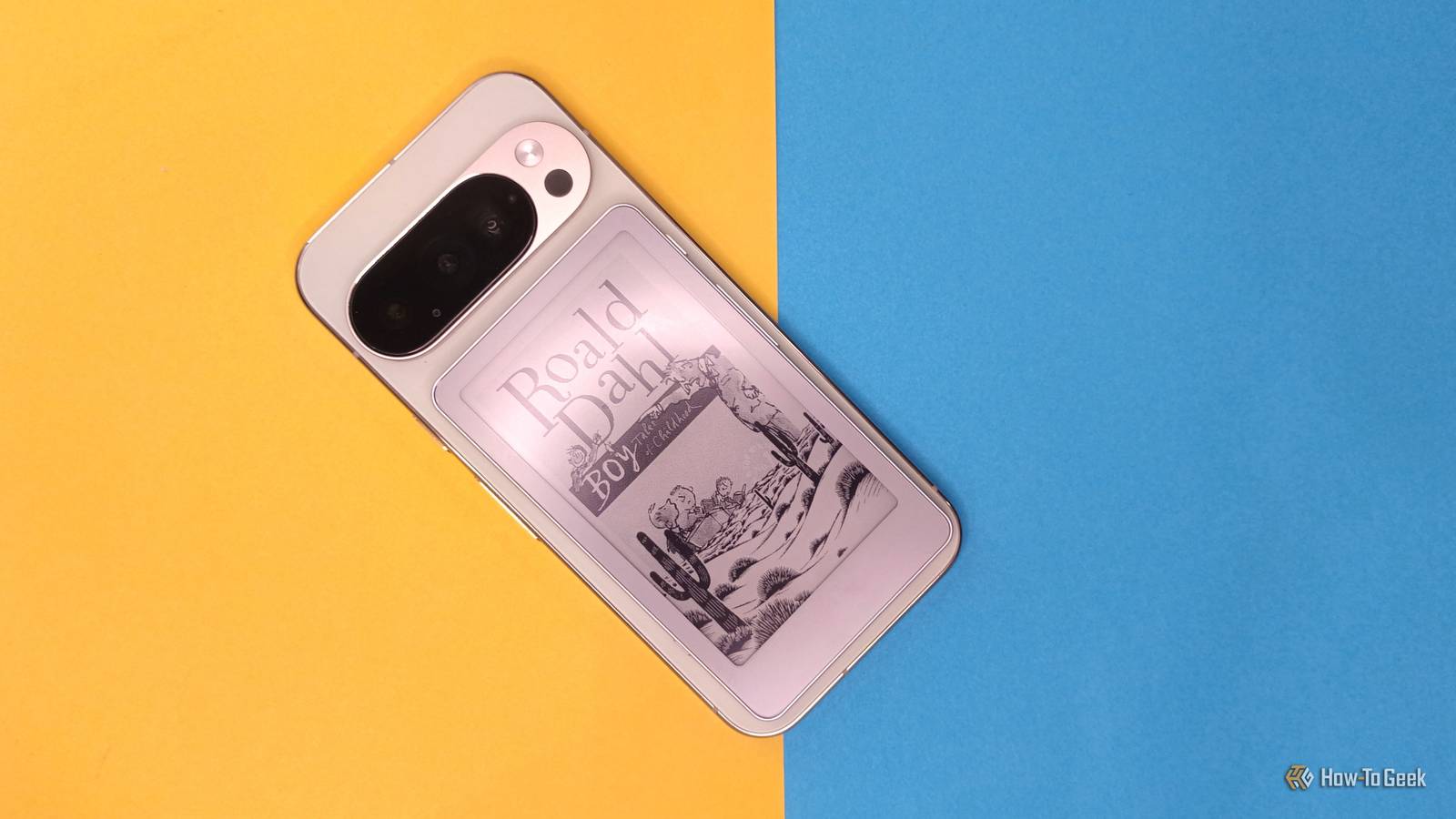
While the neodymium magnet solved the issue of "clutch"—providing a powerful, reassuring grip on the back of a Pixelsnap case or a standard MagSafe adapter ring—it introduced a new problem: physical profile. In the pursuit of magnetic strength, the choice of a 5mm-thick disk proved to be an ergonomic miscalculation.
The Boox Picco is celebrated for its slim, pocketable nature. Adding a 5mm protrusion to the center of the device fundamentally altered its hand-feel. When attached to a phone, the assembly looked less like a streamlined tech stack and more like a bulky, improvised prototype. The side profile was particularly jarring; the Picco appeared to be hovering away from the phone rather than sitting flush against it. While the setup was technically functional and the reader was now securely "MagSafe," the aesthetic trade-off was too steep for a device that is supposed to disappear into a pocket.
Refining the Approach for Future Iterations
The lesson learned from the 5mm disk experiment is that in the world of mobile accessories, every millimeter is a mile. For those looking to replicate this modification, the key is to prioritize a low profile over raw magnetic mass. A thick disk provides a concentrated pull, but a wider, thinner plate distributes that force more effectively while maintaining the device’s sleekness.
Optimized Solutions for DIY Enthusiasts
The ideal solution lies in ultra-thin neodymium plates or high-quality mounting plates. While genuine neodymium plates that are thin enough (under 1mm) can be expensive and difficult to find in single units, there are professional-grade alternatives used in the mobile mounting industry.
One standout option is the hardware produced by RollingSquare. Their Edge Pro system is designed specifically for stacking devices and accessories. They offer mounting plates that measure a staggering 0.5mm in thickness. These plates are engineered to be as unobtrusive as possible while still providing the necessary surface area for a strong magnetic connection.
For a user who already owns the Boox Picco and wants to fix the MagSafe issue, the RollingSquare Edge Pro Spare Kit is a highly recommended path. At a lower price point than a full accessory set, it provides the thin metal plates needed to create a magnetic bond without the "supermodel jawline" protrusion caused by thicker hobbyist magnets. Because the Picco is so light, these ultra-thin plates, when paired with a strong magnetic phone case, provide more than enough stability for daily use.
Assessing the Competition: The Xteink X4 Pro
While the Onyx Boox Picco remains a top-tier choice for many due to its software ecosystem and build quality, the frustration of DIY modifications may lead some consumers to look elsewhere. The market for miniature E Ink devices is small but competitive, and other manufacturers have taken note of the demand for magnetic integration.
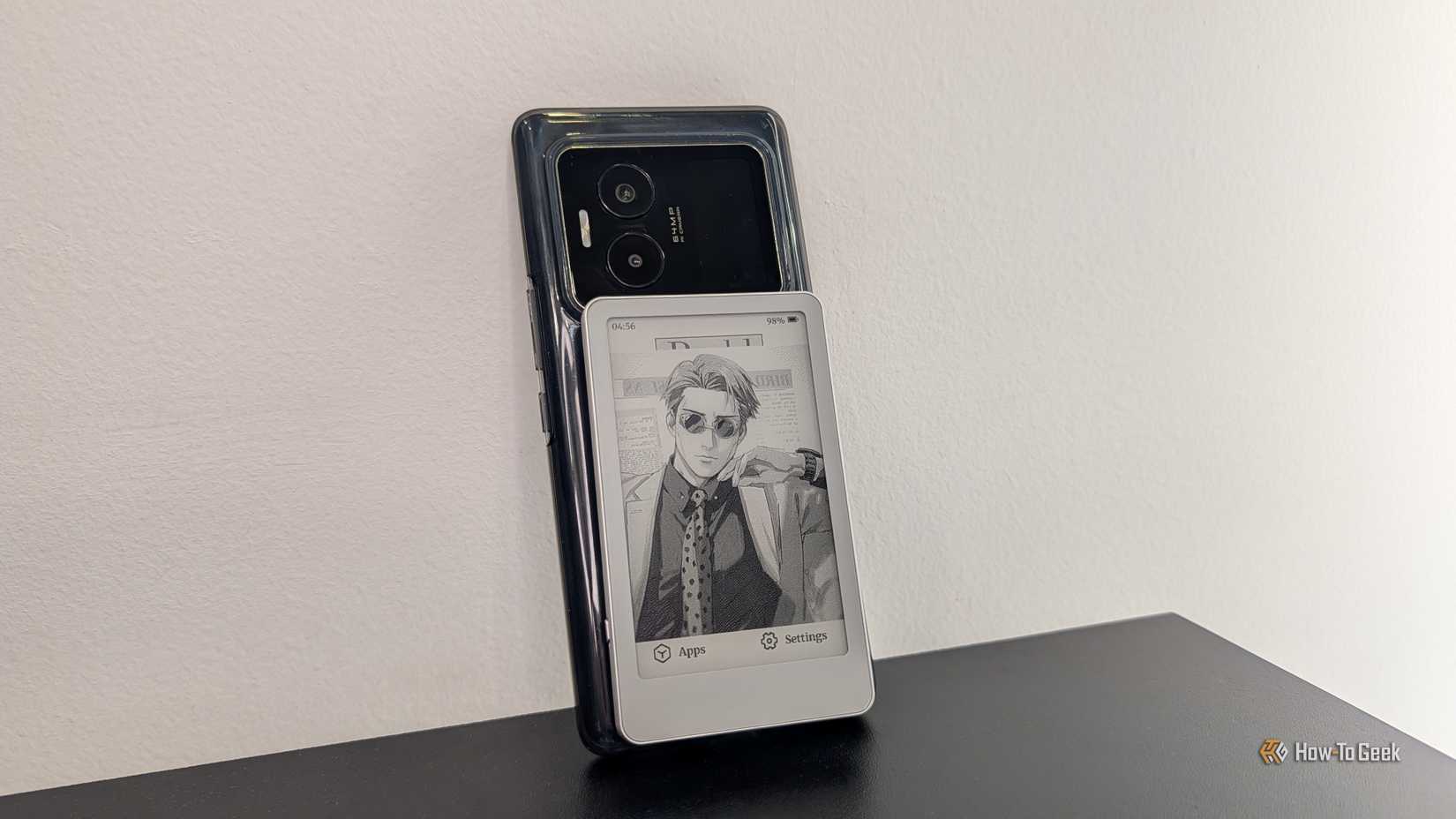
The Xteink X4 Pro serves as the most direct rival to the Picco. It features a similar 4.3-inch touchscreen and a built-in front light for night reading. Crucially, Xteink identified the utility of magnets early on and integrated them directly into the chassis of the device. This allows the X4 Pro to snap onto phones or magnetic surfaces natively, without the need for adhesive modifications or third-party cases.
Furthermore, the X4 Pro often retails for about $10 less than the Picco’s $109.99 asking price. However, this convenience comes with a significant trade-off in terms of charging standards. While the Boox Picco utilizes a standard USB-C port—allowing users to carry a single cable for their phone, laptop, and reader—the Xteink X4 Pro relies on a proprietary magnetic pogo pin system for charging. For many "digital nomads" or minimalist travelers, the requirement of a specialized charging cable may be a larger inconvenience than sticking a thin metal plate to the back of a Boox device.
The journey to make the Onyx Boox Picco MagSafe-compatible highlights a recurring theme in enthusiast tech: the willingness of users to modify their hardware to meet specific workflow needs. While the 5mm neodymium disk was a functional success, the ultimate goal remains a flush, seamless integration. By utilizing thinner mounting plates or considering competitors that build these features in from the start, readers can finally achieve the "perfect" pocketable reading experience—one that stays securely attached, no matter where the day leads.
 Tech Tutorials & How-To Guides
High-Octane Streaming: Four Netflix Miniseries to Transform Your Cardio Routine
The psychological challenge of the treadmill is a familiar hurdle for fitness...
 Tech Tutorials & How-To Guides
Strategic Streaming: Top Netflix Series to Download Ahead of Hurricane Season Power Outages
As the United States moves into the peak of hurricane season, residents...
 Tech Tutorials & How-To Guides
Netflix Expands October Streaming Lineup With High-Stakes Sports Dramas and Darkly Humorous Animation
As the autumn chill settles in and the evening air turns crisp,...







