
The refined process involves four distinct stages. First is the identification of a repetitive problem, which requires a deep understanding of operational bottlenecks. Second is the design of the workflow in its abstract form, mapping out the logic and the movement of data independently of any specific software. Third is the strategic integration of artificial intelligence, but only in instances where it provides genuine, incremental value rather than being forced into the system for the sake of modernization. Finally, the process emphasizes continuous improvement based on user feedback, ensuring the automation evolves alongside the needs of the business.

This philosophy highlights a critical reality in the technology sector: tools are ephemeral. The dominance of a particular software platform can be upended in a matter of months by a more efficient competitor or a shift in industry standards. We have seen this cycle repeat across decades of computing history, from the rise and fall of various programming languages to the current rapid-fire release of competing AI models like GPT-4, Claude, and Gemini. If a professional’s value is tied solely to their proficiency in a specific tool, their expertise has a built-in expiration date.
Conversely, problem-solving skills are remarkably durable. The ability to dissect a complex business process, identify its flaws, and architect a logical solution is a skill set that transcends the specific technology used to implement it. Whether the final solution is built on a legacy system, a modern no-code platform, or a cutting-edge AI framework, the underlying logic remains the primary driver of success. This perspective aligns with a growing sentiment among industry leaders who argue that the "soft skill" of systems thinking is becoming the most critical asset in an era of automated labor.
The developer’s experience also sheds light on the economic realities of the automation market. In a corporate environment, stakeholders are rarely concerned with whether an automation was built using a specific open-source tool or a proprietary AI model. Their primary metrics are return on investment, time saved, and error reduction. When a developer can demonstrate that a relatively simple script or a basic automated trigger has reclaimed five hours of a team’s weekly bandwidth, they provide a clear, quantifiable benefit. This pragmatic approach fosters trust and allows for more ambitious projects down the line.
 Software Development & Scripting for IT
Bridging the Linguistic Divide: How Word Embeddings Revolutionized Machine Understanding of Human Language
In the rapidly evolving landscape of artificial intelligence, one of the most...
 Software Development & Scripting for IT
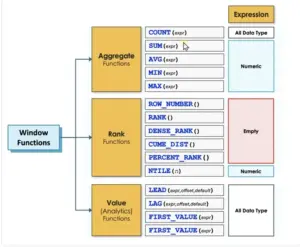
The Evolution of Data Analysis: Mastering the Power of SQL Window Functions
In the modern landscape of data-driven decision-making, Structured Query Language (SQL) remains...
 Software Development & Scripting for IT
"Outside in 20" Redefines Digital Wellness with Local AI-Driven Outdoor Encouragement
In an era where digital connectivity often feels inescapable, a new open-source...







