
The integration of Headscale into this travel setup is particularly elegant because the GL.iNet Slate AX is natively compatible with Tailscale. By configuring a machine at his home base as an "exit node," Khurshid can route all his travel traffic through his home internet connection. This provides several distinct advantages. First, it ensures a high degree of privacy; to the outside world, Khurshid appears to be browsing from his home IP address, even if he is thousands of miles away. This is particularly useful for accessing region-locked services or maintaining a consistent digital identity for security-sensitive logins.
Second, the mesh network created by Headscale allows for seamless access to internal home resources. Whether it is a local file server, a development environment, or a home automation dashboard, these services are available as if the user were sitting in their home office. The system is designed to handle complex Network Address Translation (NAT) configurations automatically. In most cases, the devices establish a direct, encrypted connection. When a direct path is blocked by restrictive firewalls—common in hotels and corporate environments—the system utilizes DERP (Detoured Encrypted Routing Protocol) relays to maintain the connection.
This setup represents the pinnacle of "lightweight" remote work. It avoids the need to carry additional hardware like a dedicated VPN gateway or a secondary laptop. The intelligence is in the software and the configuration, allowing the physical kit to remain small and manageable.
A Philosophy of Practical Utility
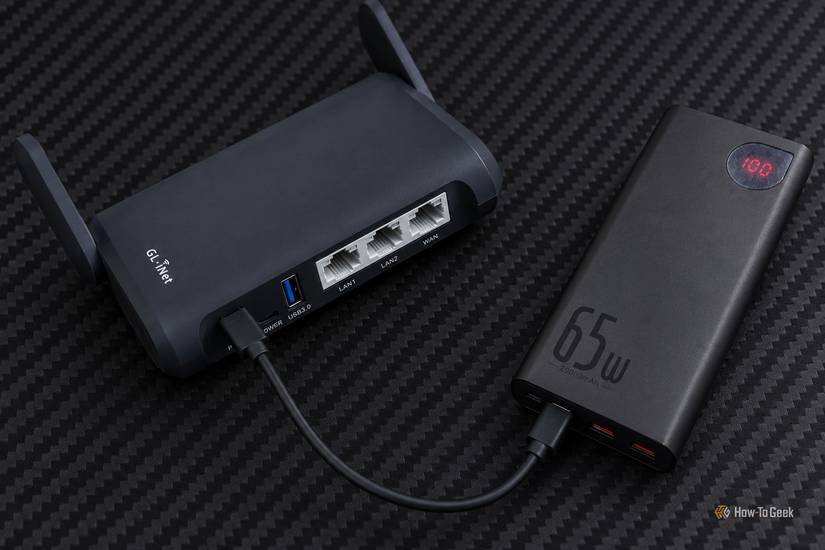
The synergy between these three tools—the Slate AX router, the Baseus power bank, and the Headscale network—creates a comprehensive solution for the modern traveler. It addresses the three pillars of remote connectivity: control over the local environment, independence from stationary power, and secure access to remote infrastructure.
Khurshid’s setup is a testament to the idea that professional-grade networking does not require a "portable server rack." By carefully selecting hardware that is multi-functional and leveraging open-source software for remote access, he has created a workflow that is both robust and remarkably light. While different professionals may have varying requirements—such as the need for cellular failover or high-throughput wired connections—this three-tool framework provides a solid foundation for anyone looking to work effectively from anywhere.
Ultimately, the goal of any travel setup should be to remove friction. By solving the recurring problems of hotel Wi-Fi, power availability, and secure remote access, Khurshid is able to leave the complexities of networking in his bag and focus on the work at hand. In the world of remote technology, sometimes the most powerful setup is the one that stays out of the way.
 Tech Tutorials & How-To Guides
The Evolution of Everyday Carry: Innovative Multi-Tool Advancements Defining the 2026 Market
For decades, the multi-tool has served as the cornerstone of the "Everyday...
 Tech Tutorials & How-To Guides
Fanttik B11 Pro Max Electric Air Duster Sees Significant Price Drop to $59.99 on Amazon
For tech enthusiasts, PC builders, and office workers alike, the battle against...
 Tech Tutorials & How-To Guides
Netflix Bolsters November Lineup with Highly Anticipated Financial Dramas and Iconic Television Classics
As the penultimate month of 2026 approaches its final stretch, Netflix has...







