
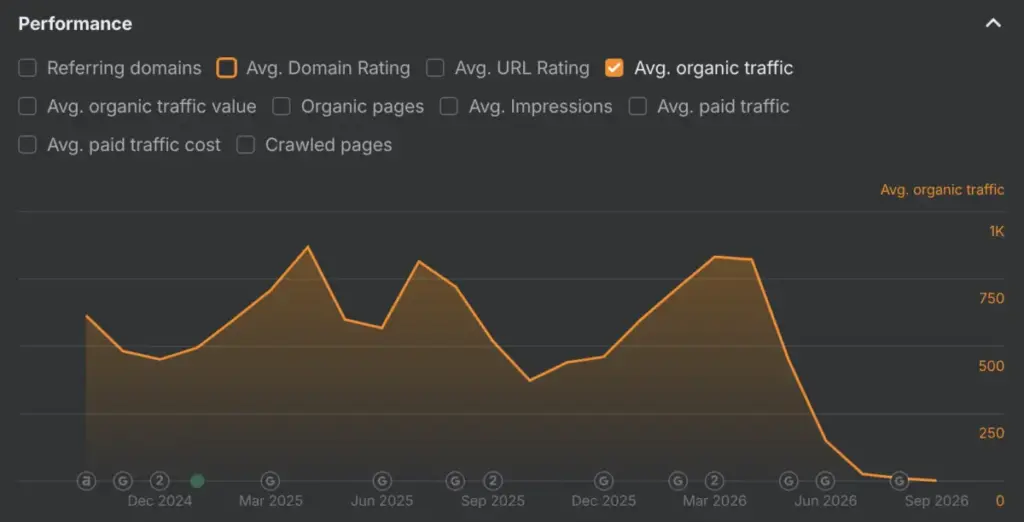
In the specialized world of domain name investing, a high sale price is typically associated with brevity, brandability, or a clear commercial application. However, the monthly sales reports from major auction houses like NameJet and SnapNames frequently feature "nonsensical" or clunky domains that command five-figure prices. To the uninitiated, these purchases seem like errors; to the search engine optimization (SEO) professional, they represent the acquisition of digital real estate with pre-existing foundations.
The June sales data from NameJet and SnapNames offers a revealing look into this secondary market. By analyzing these transactions through an SEO lens several months after the hammer fell, it is possible to see not just what was bought, but how these assets are being redeployed. The value in these instances is rarely in the characters to the left of the dot, but rather in the "link equity" and historical authority the domains have accrued over decades.
The Strategy of Authority Acquisition
When a domain like Cirro.com sells for $34,556, the value is clearly in the name itself—a short, brandable, five-letter word. Conversely, when a domain like ComicShopLocator.com fetches $24,001, the math changes. The buyer is not looking for a catchy brand; they are buying a shortcut to the top of Google’s search results.
This practice involves identifying domains that once hosted legitimate, high-authority businesses or organizations. When these entities fold or neglect their registrations, the domains expire, but the thousands of "backlinks" from reputable sources like news outlets, universities, and government agencies remain. By rebuilding a site on an expired domain, an investor can bypass the "sandbox" period usually required for new websites, inherited the trust the previous owner spent years building.
The ComicShopLocator.com Case Study: From Directory to Affiliate Powerhouse
The standout sale of the June period was ComicShopLocator.com, which closed at $24,001 on SnapNames. To understand the price tag, one must look at the domain’s pedigree. For years, it served as a robust directory for the comic book industry, operated by Diamond Comic Distributors. It was a utility site, cited by countless hobbyist blogs and major entertainment news sites.
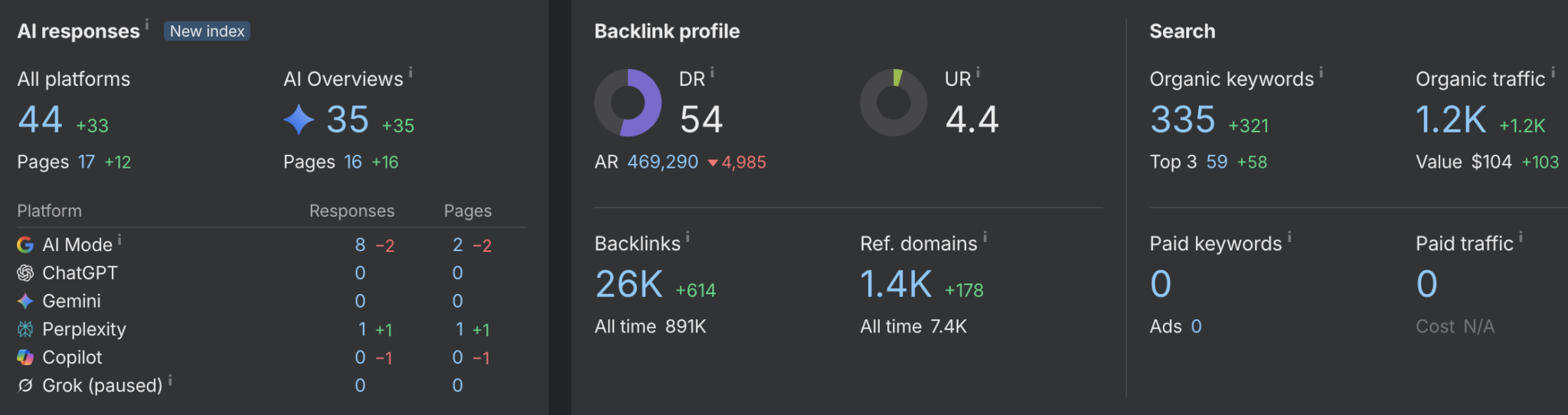
Following the bankruptcy and asset liquidation of Diamond Comic Distributors in 2025, the site went offline in May 2026. By the time it appeared at auction in June, it possessed a formidable backlink profile and a "Domain Rating" (DR) of 69—a metric that signifies massive ranking power.
Three months post-sale, the new owner’s strategy is clear. The site has been rebuilt with a focus on comic books, anime, and esports. However, the ultimate goal appears more lucrative. In the world of high-stakes SEO, "gaming" content often serves as a bridge to "iGaming"—the industry term for online casinos and gambling. By establishing a footprint in "games," the site can pivot toward lucrative casino affiliate links.
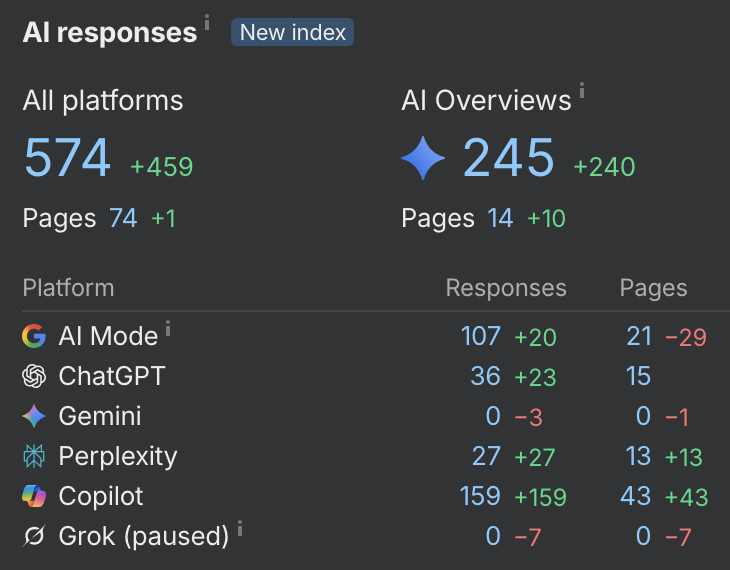
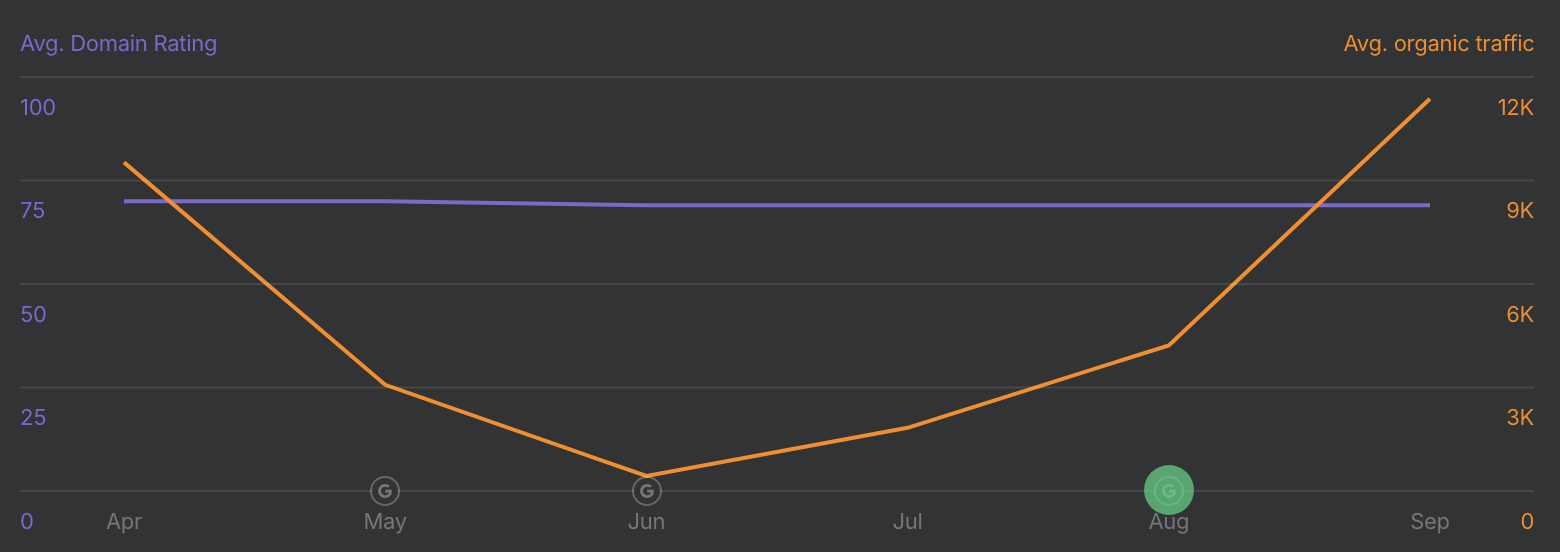
The investment appears to be paying off. Since the acquisition, the site’s monthly organic traffic has surged from approximately 450 visitors to 12,000. Perhaps more importantly in the modern landscape, the site has grown its "AI SEO" footprint, earning hundreds of mentions in the datasets and responses generated by large language models (LLMs). With total monthly traffic across all sources nearing 100,000, the $24,000 entry price represents a calculated and successful gamble.
Missed Opportunities and the AI Gold Rush
The auction of FIPA.org for $3,800 on NameJet highlights a moment where the broader market may have "slept at the wheel." The domain previously belonged to the Foundation for Intelligent Physical Agents, an organization dedicated to the promotion of agent-based technology.
In the current climate, where artificial intelligence dominates venture capital and consumer interest, a domain with a backlink profile featuring MIT, Hewlett Packard, IBM, and various international standards bodies is a goldmine. These "high-trust" links are the exact signals search engines look for when ranking AI-related content.
Despite not ranking for many keywords at the time of its expiration—a traditional "negative signal"—the sheer density of its academic and corporate backlink profile made it a high-value target. Current observations suggest the domain may be utilized as part of a wider network to provide authority to other sites through 301 redirects, a technique where the power of one domain is "pointed" at another to boost its rankings.
The Risks of Technical Neglect: SkinTour.com
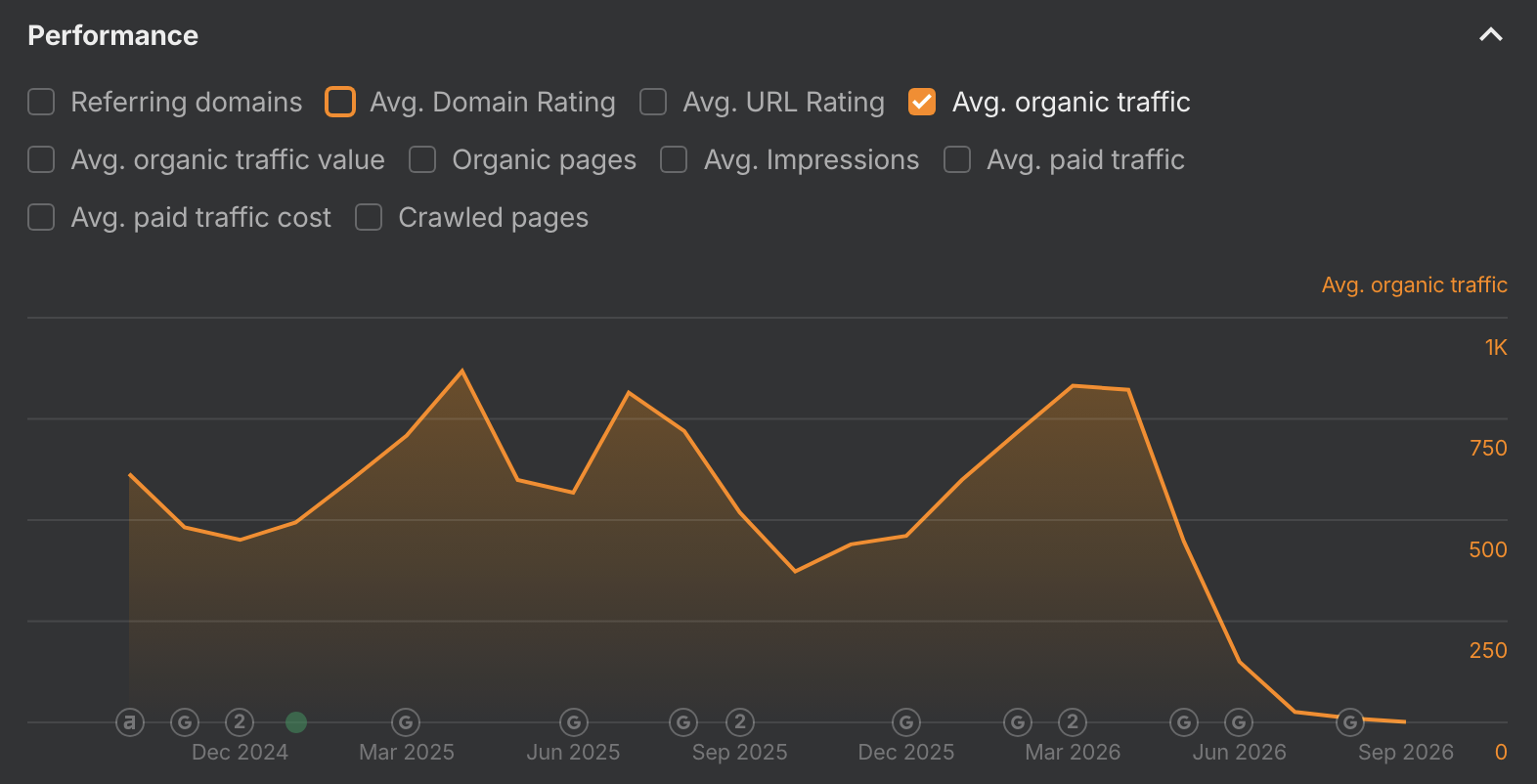
Not every high-priced acquisition leads to an immediate success story. SkinTour.com, a domain in the skin care and health niche, sold for $3,015. At the time of sale, it was still pulling in 800 organic visitors a month and possessed a DR of 36. Its history included citations from massive health and lifestyle brands like Healthline, CNN, and Glam.com.
However, the post-auction rebuild has been lackluster. The current owner appears to have used a "stale" capture from Archive.org to restore the site. Technical audits reveal a site that takes up to two minutes to load—a performance metric that acts as a "death warrant" in modern SEO. Consequently, while the domain’s authority remains, its organic traffic has failed to return. This serves as a cautionary tale: a powerful domain cannot overcome a fundamentally broken user experience or poor technical execution.
The International Advantage and the Casino Pivot
The auction of 3dmekanlar.com for $5,001 illustrates the unique dynamics of non-English SEO. The site, which featured 3D tours of historical locations in Turkey, had been largely unchanged for eight years before expiring.
In non-English markets, competition for high-authority domains is often lower, and search engine algorithms can be less punitive toward older, restored content. After being purchased and put back online almost exactly as it was, the site immediately regained its organic traffic and began appearing in AI-generated responses. It is a prime example of the "set it and forget it" value of certain niche domains.
Conversely, RallyLights.com and BonnevilleRacing.com represent the more aggressive "churn and burn" side of the industry. RallyLights.com was a long-standing e-commerce brand for automotive lighting dating back to 2001. After selling for $2,477, it was immediately redirected to BonnevilleRacing.com (which sold for $3,220).
The result of this merger was not a racing news site, but a Thai-language online casino. This is a common endgame for high-authority expired domains. The "trust" built by a salt-flat racing site or a headlight retailer is harvested and redirected to gambling sites, which operate in a high-competition, high-reward environment. While Google eventually catches these pivots and devalues the site, the "burn" period—where the site ranks highly for lucrative keywords—can generate enough revenue to justify the initial auction price many times over.
A Broader Look at the June Market Data
The June sales list reveals a wide array of organizations whose digital legacies were auctioned off to the highest bidder. High-authority domains (those with a DR of 50 or higher) dominated the mid-tier pricing brackets:
The domain unspsc.org, representing the United Nations Standard Products and Services Code, commanded $7,755 due to its staggering DR of 70. Similarly, the official site for the 50th Anniversary of the Vietnam War (vietnamwar50th.com) sold for $7,760, carrying a DR of 65. These sites are essentially digital vaults of government and educational links that are nearly impossible to replicate through traditional link-building efforts.
In the media and celebrity space, domains like wendyshow.com ($8,350) and lavernecox.com ($7,105) were acquired, likely for their historical mentions in major entertainment publications. Even non-profit and educational domains, such as saalt.org ($10,044) and jobstar.org ($4,300), saw significant action.
The most expensive name on the list, Cirro.com at $34,556, remains an outlier in this specific dataset because its value is purely intrinsic. With a DR of only 26 at the time of sale, it was a brand play, not an SEO play.
The Future of the Expired Domain Ecosystem
The June sales from NameJet and SnapNames underscore a fundamental shift in how the web is built and monetized. As the cost of producing content drops due to generative AI, the value of "trust signals"—the backlinks and history associated with a domain—rises.

For the "SEO nerds" and iGaming affiliates who dominate these auctions, a domain is not a name, but a collection of metrics. Whether it is a former comic book directory or a defunct foundation for AI agents, these domains are the raw materials for a new kind of digital architecture. While many of these "cool" domains are ultimately lost to the world of casino spam, the data shows that for those who know how to rebuild correctly, an expired domain is one of the most powerful tools in a modern marketer’s arsenal.
 Web Hosting & Domain Management
Domain Owners Face Imminent Price Hikes as Verisign Prepares to Increase .Com Wholesale Rates
The window of opportunity for domain name owners to secure current pricing...
 Web Hosting & Domain Management
The Rapid Evolution of Web Development: AI Tools Drive Unprecedented Speed in Domain Utilization and Aftermarket Demand
The secondary market for domain names has long been a barometer for...
 Web Hosting & Domain Management
Dynadot Q2 Report Reveals High Volume and Tight Margins in the Domain Aftermarket
In a comprehensive release that provides a rare glimpse into the high-volume...







