
Real-World Applications and the Industrial Shift
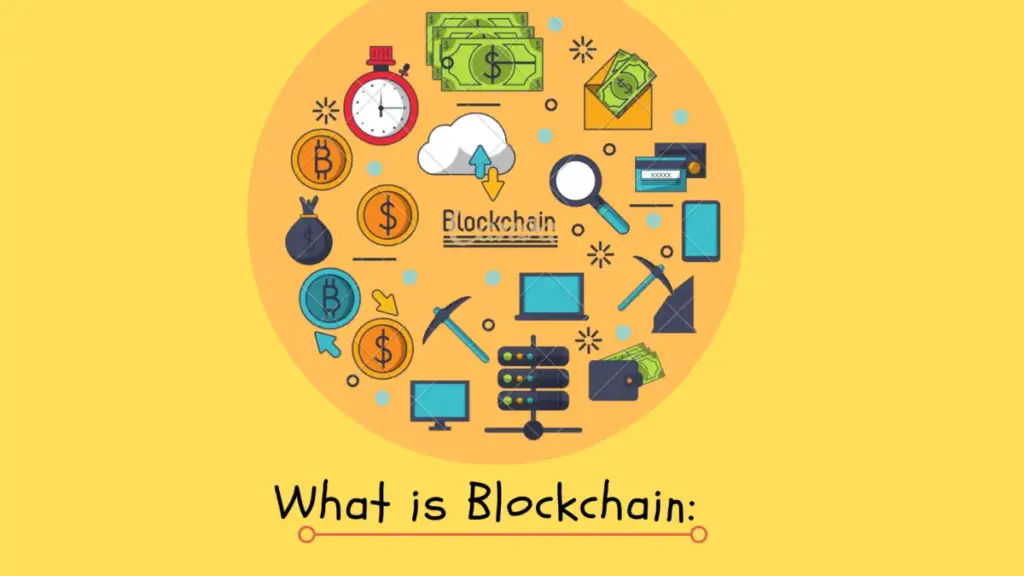
While blockchain remains the engine behind cryptocurrencies like Bitcoin and Ethereum, its utility in the corporate world is perhaps its most significant development in recent years. Major global entities, including Walmart, AIG, Siemens, Pfizer, and Unilever, have already begun integrating blockchain into their operational frameworks to enhance transparency and efficiency.
One of the most prominent examples of this integration is IBM’s Food Trust, a blockchain-based solution used to track the journey of food products from the farm to the consumer. For many, the idea of tracing a head of lettuce through a digital ledger might seem excessive, but the practical implications for public health are profound. In the event of an outbreak of bacteria such as E. coli or Salmonella, or the accidental introduction of dangerous allergens like peanuts into a product line, identifying the source of the contamination is a race against time.
Traditionally, tracing a specific batch of food through a complex, global supply chain could take months, often leaving retailers with no choice but to discard massive amounts of safe product to ensure public safety. With blockchain, companies can now trace the exact location and history of a product in seconds. This rapid response capability not only prevents future outbreaks but also minimizes waste and protects the economic interests of suppliers and manufacturers.
The Power of Decentralization and Enhanced Security
The primary security feature of blockchain is decentralization. In a centralized system, all data is stored in one location, creating a single point of failure. If that central server is compromised, the entire database is at risk. Blockchain avoids this vulnerability by distributing the ledger across multiple computers, known as nodes, located in different geographic regions.
If one computer in the network experiences a technical failure or is targeted by a cyberattack, the integrity of the overall system remains intact. The other nodes in the network use the correct, synchronized information to cross-reference and identify the anomaly in the compromised node. This collective verification process ensures that the data remains authentic and irreversible.
Beyond financial transactions, this decentralized model is being explored for a variety of sensitive data storage needs. This includes legal contracts, state-issued identifications, and complex company inventories. By removing the reliance on a single central server, blockchain provides a way to secure data that is traditionally difficult to register and protect against unauthorized modification.
 Tech News & Digital Trends
The Creative Frontier: How 10 Leading AI Tools Are Redefining Content Production in 2025
The digital landscape of 2025 has reached a pivotal turning point where...
 Tech News & Digital Trends
The Intelligent Revolution: Evaluating the Top 10 Artificial Intelligence Tools Shaping Industry Standards in 2023
The landscape of modern business and technology is currently undergoing a seismic...
 Tech News & Digital Trends
The Rise of AIO: How AI-Powered Search is Redefining Digital Discovery and Organic Traffic
A significant shift in the landscape of digital information is currently underway,...







