
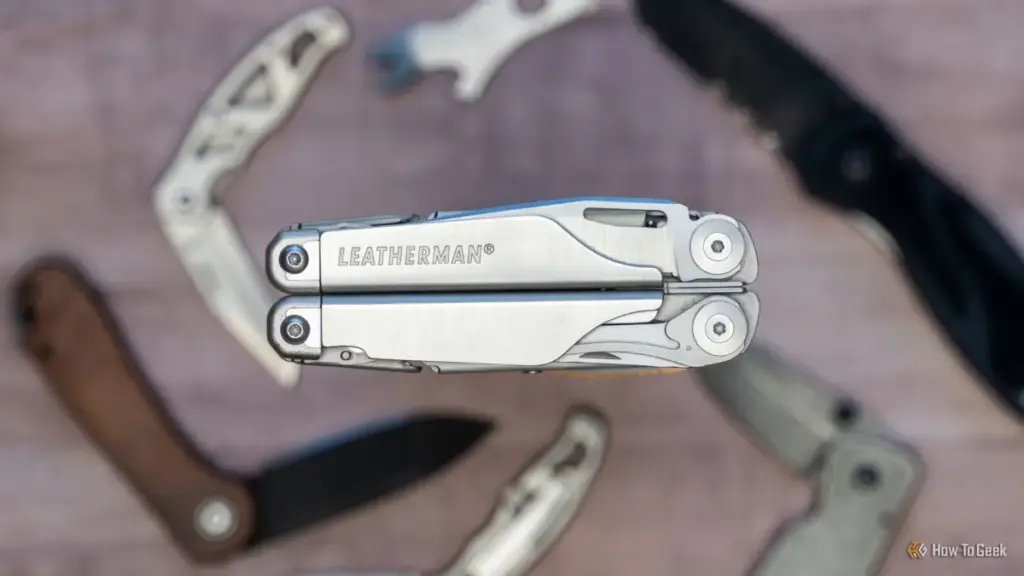
For decades, the multi-tool has served as the cornerstone of the "Everyday Carry" (EDC) philosophy—a movement dedicated to the curation of high-utility, portable gear designed to solve the unpredictable challenges of daily life. What began as a simple folding knife with a few attachments has evolved into a sophisticated industry of precision engineering. As we move through 2026, the landscape of pocket-sized utility has shifted once again. While the traditional image of a heavy, belt-worn plier set remains, a new generation of tools has emerged, characterized by premium metallurgy, magnetic architecture, and unprecedented modularity.
Long-time enthusiasts often cling to the reliable Leatherman or Gerber models they have carried for years, and for good reason; these tools are built to last lifetimes. However, the innovations released this year suggest that even the most loyalists might find cause to upgrade. From the integration of rechargeable electronics to the rise of customizable frames, 2026 is proving to be a landmark year for those who value being prepared for any situation, whether in the home, on a job site, or deep in the backcountry.
Gerber and the Refinement of the Butterfly Design
Gerber and Leatherman have long stood as the twin titans of the multi-tool industry, often dictating the trends that the rest of the market follows. In March 2026, Gerber reaffirmed its position with the release of the Stakeout Drive. This model represents a thoughtful evolution of the classic butterfly-opening tool, balancing weight and functionality in a way that appeals to both urban commuters and outdoor adventurers.
At approximately 4.6 inches in length, the Stakeout Drive is constructed from high-grade stainless steel, ensuring durability without the excessive bulk that often plagues full-sized pliers. The standout feature of this 2026 iteration is the new flip-bit driver. While many multi-tools include a dedicated driver, they often require the user to carry a separate kit of bits or struggle with awkward ergonomics. Gerber’s flip-bit design allows for rapid deployment, making it an ideal choice for quick household repairs or adjusting gear on the fly.
Beyond the driver, the tool incorporates a 10-piece suite of essentials, including needlenose and standard pliers, a wire cutter, a single-edge blade, and scissors. Gerber has also addressed the "how to carry" dilemma by providing two distinct options: a sturdy pocket clip for deep-pocket concealment and a built-in carabiner for securing the tool to a backpack or belt loop. Priced at $80, the Stakeout Drive occupies a competitive middle ground, offering professional-grade utility at an accessible price point.
The Survivalist’s Standard: Leatherman’s Limited Edition Signal
While Gerber focuses on versatile utility, Leatherman has doubled down on the survival and outdoor niche with its latest release. The Leatherman Signal has been a staple of the brand’s catalog for over a decade, favored by hikers and campers for its inclusion of unconventional tools like a fire-starting ferrocerium rod and an emergency whistle. This summer, the company refreshed this classic with the Signal Sandstorm Limited Edition.
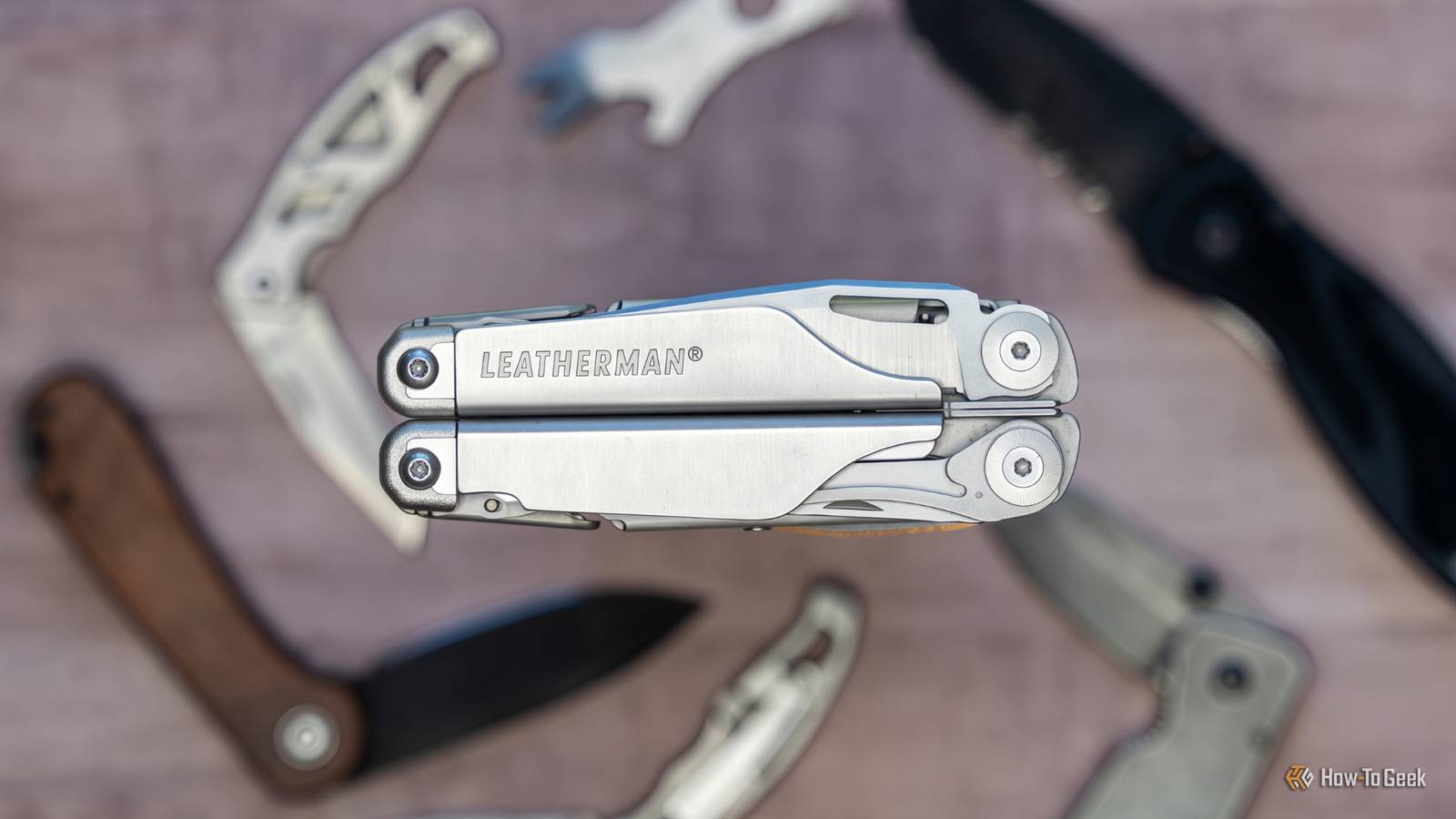
The Sandstorm edition is more than a simple color swap; it represents a commitment to high-performance materials. The 16-in-1 tool now features a blade and saw treated with a rugged, multi-tone camo Cerakote finish. Cerakote, a ceramic-based coating, significantly enhances the tool’s resistance to abrasion, corrosion, and chemical wear—factors that are critical for tools exposed to the elements.
Furthermore, Leatherman has introduced glow-in-the-dark accents on the sharpener and ferro rod. This small but significant design choice addresses a common pain point for outdoorsmen: finding a dropped tool or operating in low-light conditions. Despite the premium $180 price tag, the Signal Sandstorm remains a top-tier choice for those who view their multi-tool as a piece of life-saving equipment rather than just a convenience. It retains the core features that made the original famous, including the hammer face, wire strippers, and a combo knife, all packaged in a frame that can be clipped or carabiner-attached.
The Rise of Modularity: The Roxon Flex Titan
One of the most significant shifts in the 2026 multi-tool market is the move away from "one-size-fits-all" designs toward true modularity. Leading this charge is Roxon, a brand that has seen a meteoric rise in popularity by allowing users to build their own tools. Following the success of the 2024 Roxon Flex, the company has released the Roxon Flex Titan, a larger, more robust version designed for heavy-duty applications.
The philosophy behind the Flex Titan is simple: the user knows their needs better than the manufacturer. Traditional multi-tools often include "filler" implements that go unused, adding unnecessary weight and bulk. Roxon’s system allows users to swap, add, or remove blades, saws, and drivers without requiring specialized equipment. This "open-source" approach to hardware means a technician can load their tool with different drivers, while a fisherman might prioritize scissors and specialized blades.
The Flex Titan frame is built to handle higher torque and more demanding tasks than its predecessor. For $60, users can purchase the base frame and customize it entirely, or they can opt for a pre-installed configuration for $109, which includes a selection of additional implements in the box. This level of personalization is a direct response to the growing EDC community’s demand for gear that is as unique as their daily routine.
Minimalist Precision: The James Brand Helton
Not every user requires a heavy-duty plier set. For many, the ideal multi-tool is one that disappears into a pocket until it is needed. However, the traditional Swiss Army Knife—while iconic—often relies on plastic scales and non-locking blades that some modern enthusiasts find lacking. The James Brand has stepped into this gap with The Helton, a tool that emphasizes "less is more" through minimalist design and premium materials.
The Helton is a sleek, all-metal affair that avoids the complexity of higher-count multi-tools. By stripping away the fluff, The James Brand has created a tool that focuses on the highest-quality execution of a few core implements. It features a partially serrated blade crafted from VG-10 steel, a high-carbon stainless steel known for its exceptional edge retention and corrosion resistance.

In place of a dozen mediocre tools, The Helton provides two magnetic drivers and chisel-tipped tweezers. The inclusion of magnetic architecture is a nod to modern engineering, ensuring that bits stay seated and the tool remains easy to operate. With no plastic components in sight and four stylish colorways available for $170, The Helton is positioned as a "gentleman’s carry"—a sophisticated, durable tool that prioritizes aesthetics and tactile quality without sacrificing utility.
Hybrid Innovations: The Tacray MT1 and Integrated Electronics
As the boundaries between different categories of EDC gear continue to blur, some manufacturers are experimenting with hybrid designs. Tacray, a brand that has gained significant traction for its value-oriented CNC-machined gear, has introduced the MT1 EDC Multitool. This device highlights a growing trend: the integration of electronics into mechanical tools.
The Tacray MT1 combines eight essential mechanical tools with a USB-C rechargeable LED flashlight. While multi-tools with lights have existed in the past, they were often treated as afterthoughts, powered by dim bulbs and difficult-to-find coin cell batteries. The MT1’s 260-lumen light is powerful enough for genuine utility, and the convenience of USB-C charging aligns the tool with the modern tech ecosystem.
Constructed with a CNC-machined body, the MT1 also features modular elements like a removable tungsten glass breaker and a reversible pocket clip. Its toolset includes a hooked seatbelt/rope cutter and a flat-head driver that doubles as a pry bar. At $89, it offers a compelling all-in-one solution for those who want to minimize the number of separate items they carry in their pockets.
A Future Built on Preparedness
The advancements seen in 2026 suggest that the multi-tool industry is moving toward a more specialized future. Whether it is through the use of survival-focused coatings like Cerakote, the adoption of high-end steels like VG-10, or the embrace of modularity, the goal remains the same: empowering the individual to handle the unexpected.
For many, a multi-tool is more than just a gadget; it is a symbol of self-reliance. While a decade-old Leatherman may still have plenty of life left, the innovations of this year—magnetic locks, rechargeable components, and customizable frames—offer tangible improvements in efficiency and ease of use. As the "Everyday Carry" movement continues to grow, these tools represent the pinnacle of modern pocket-sized engineering, ensuring that no matter where life leads, the right solution is always within reach.
 Tech Tutorials & How-To Guides
The Great Big-Box Battle: Evaluating the Power Tool Ecosystems of Ryobi, Craftsman, and Hyper Tough
For the modern homeowner or the burgeoning DIY enthusiast, the walk down...
 Tech Tutorials & How-To Guides
Samsung One UI 9: Redefining the Galaxy Experience Through Integrated AI and User-Centric Design
For over a decade, Samsung has maintained its position at the forefront...
 Tech Tutorials & How-To Guides
The Evolution of Minimalism: Why Compact Keychain Multi-Tools are Reshaping Modern Everyday Carry
For over a decade, the philosophy of "Everyday Carry," or EDC, was...







