In the rapidly evolving landscape of digital infrastructure, enterprise hard drives remain the fundamental building blocks of data storage. While consumer-grade storage focuses on individual convenience and moderate use, enterprise-level hardware is engineered to provide the unwavering reliability, high performance, and massive capacity required for mission-critical, continuously demanding applications. As organizations grapple with the exponential growth of data, the choice of storage hardware has become a strategic imperative, influencing everything from operational uptime to the efficiency of cloud-based services.
Enterprise hard disk drives (HDDs) are distinguished by their ability to meet the rigorous needs of modern business data access. Unlike general-purpose drives found in home computers, these units are battle-tested for environments where data is accessed 24/7/365. To assist organizations in navigating this high-stakes market, a comprehensive evaluation was conducted on ten of the most widely used enterprise HDDs. These drives were tested across a variety of environments, including traditional data centers, high-performance desktops, hybrid configurations, cloud architectures, and network-attached storage (NAS) systems.
The evaluation process utilized a multi-faceted scoring system. Each drive was assessed based on its pricing structure, core and enterprise-specific features, vendor profile, and the level of customer support provided. This rigorous methodology aims to identify which drives offer the best balance of resilience and performance for the heavy, continuous workloads typical of the modern enterprise.
Top Enterprise Hard Drive Comparisons
The drives selected for this list represent the pinnacle of current storage technology. They are designed for scenarios—such as NAS appliances and cloud servers—that require extended levels of reliability and the ability to maintain performance under extreme stress.
Seagate Exos: The Powerhouse for Heavy Workloads
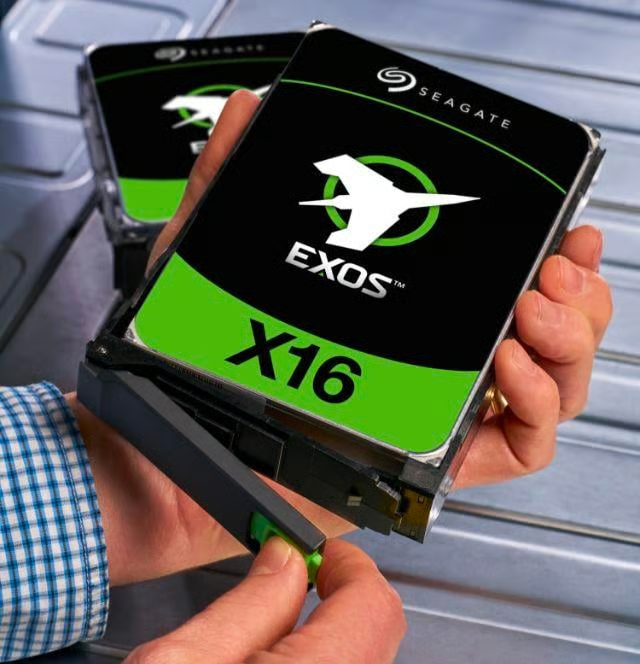
The Seagate Exos series earned an impressive overall score of 4.43, positioning it as a premier choice for heavy workloads and server environments. With a core feature score of 4.5 and a perfect 5 for enterprise features, the Exos is designed to handle the most taxing data demands. Available through both Serial AT Attachment (SATA) and Serial Attached SCSI (SAS) interfaces, these drives are rated for an extraordinary 2.5 million hours of Mean Time Between Failure (MTBF).
The Exos series is often compared to its sibling, the Ironwolf, but it is specifically tuned for high-density server environments. Its pricing typically ranges between $200 and $400, making it a competitive option for data centers looking to maximize their hardware investment. The drive’s perfect vendor profile score reflects Seagate’s long-standing reputation for supporting large-scale infrastructure.
WD Gold Enterprise: Unmatched Scalability and Caching
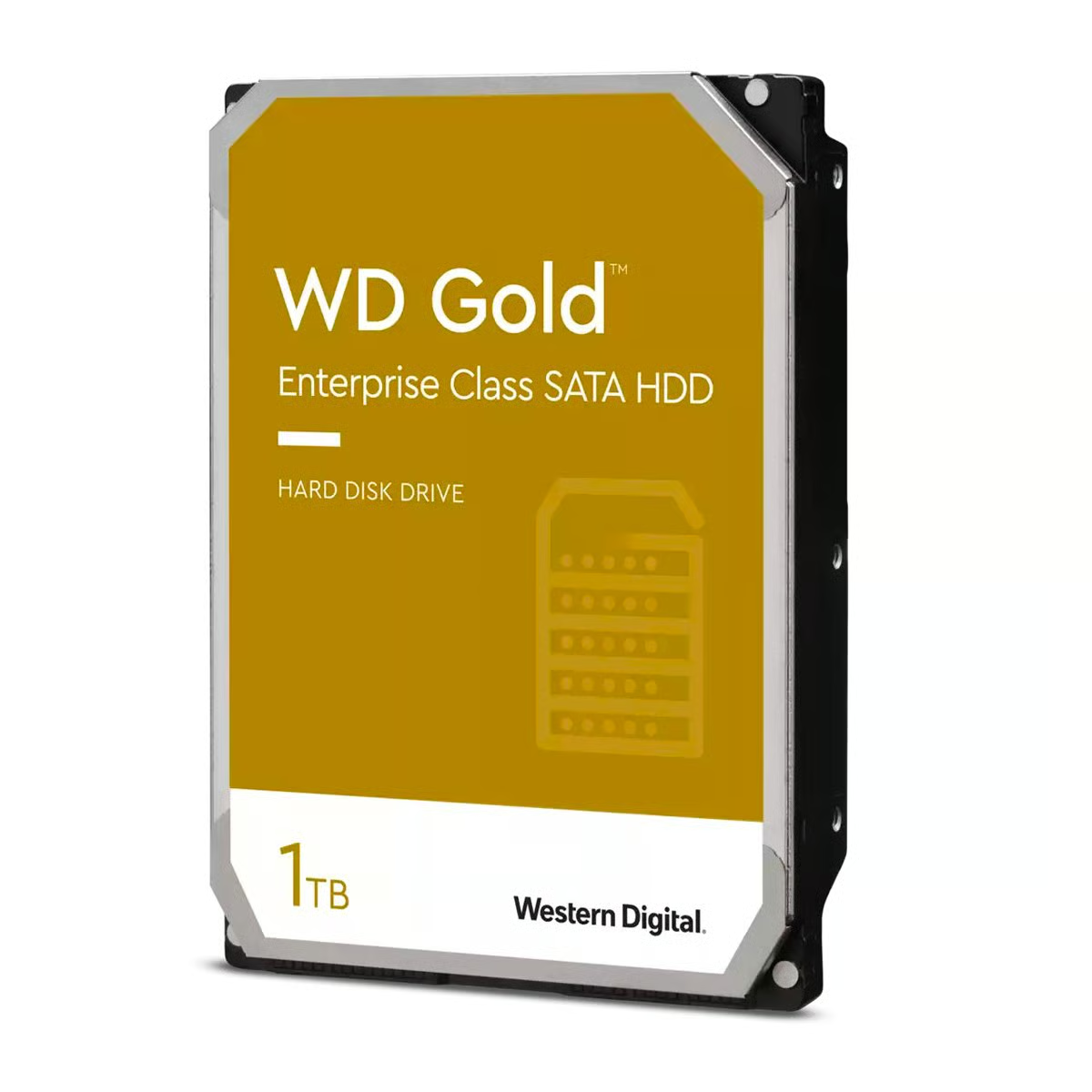
Western Digital’s Gold series remains a leader in the HDD market, particularly for organizations prioritizing capacity and sophisticated data protection. Scoring an overall 4.78, the WD Gold is noted for its "ArmorCache" technology. This non-volatile cache solution significantly improves performance and mitigates the risk of data loss during power fluctuations—a common vulnerability in traditional DRAM-based caching systems.
The WD Gold series offers a wide range of size options, with pricing spanning from $84.99 to $549.99, catering to various budget requirements. With a core feature score of 4.5 and an environment score of 5, it is highly adaptable to diverse data center configurations. Its sustained transfer rates and high storage capacities make it a top-of-the-line series for the industry’s leading hard drive manufacturer.
Toshiba MG Series: The Specialist for Mixed-Use Workloads
Toshiba’s MG Series is engineered for enterprise data management and storage utilization, scoring an overall 4.58. This series is particularly effective for supporting 24/7 mixed-use workloads, with capacity options ranging from 1 TB to 10 TB. The MG series is designed to support the capacity needs of data center servers and storage infrastructure where constant access and high-speed data retrieval are non-negotiable.
With a pricing range of $250 to $400, Toshiba offers a balance of core features and enterprise-grade reliability. While its environment score of 3.5 suggests it is slightly more specialized than the WD Gold, its perfect vendor profile score highlights Toshiba’s reliability as a partner for long-term storage projects.
Seagate FireCuda: High-Performance Vault Storage
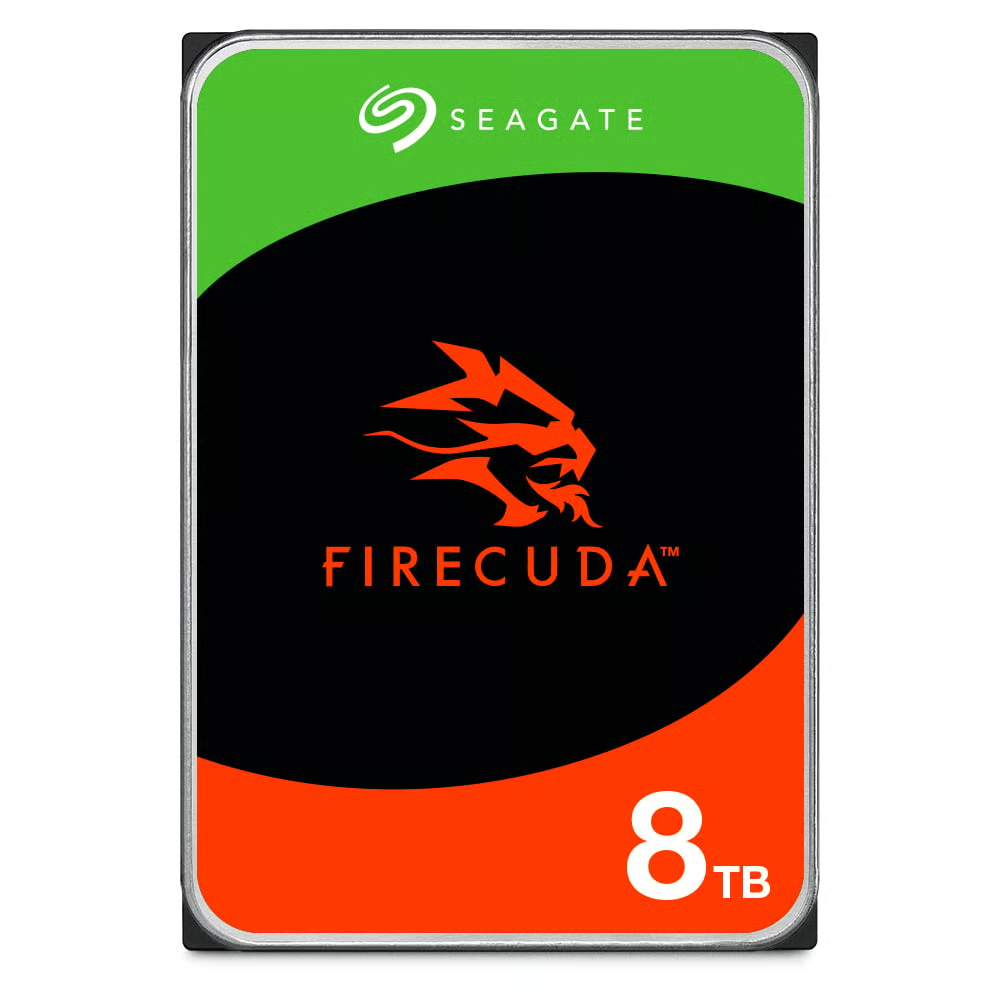
The Seagate FireCuda achieved the highest overall score in the evaluation at 4.95. While frequently associated with high-end gaming and intensive audio-visual (A/V) applications, the FireCuda is an industrial-grade drive that excels in enterprise "vault" use cases. It received perfect 5.0 scores in core features, enterprise features, environments, and vendor profile.
At a price point around $300, the FireCuda offers a specialized solution for data center applications that require rapid data access and extreme durability. Its performance metrics make it a competent choice for organizations that need to bridge the gap between creative production and enterprise-grade storage security.
Seagate Ironwolf Pro: The Data Center Workhorse
The Ironwolf Pro is a staple in the data center environment, earning an overall score of 3.93. Like the Exos series, it is designed for high-capacity SATA, SAS, and Non-Volatile Memory Express (NVMe) applications. It is specifically optimized for scenarios requiring high levels of performance and reliability in multi-bay NAS environments.
The pricing for the Ironwolf Pro is broad, ranging from $150 to $700 depending on capacity and specifications. While its core and enterprise features both scored 3.5, its environment score of 4 reflects its versatility in modern server rooms. Seagate’s comprehensive support and vendor reputation bolster the Ironwolf Pro’s standing as a reliable enterprise-class drive.
WD Red Pro and WD Black: Tailored for NAS and Desktop
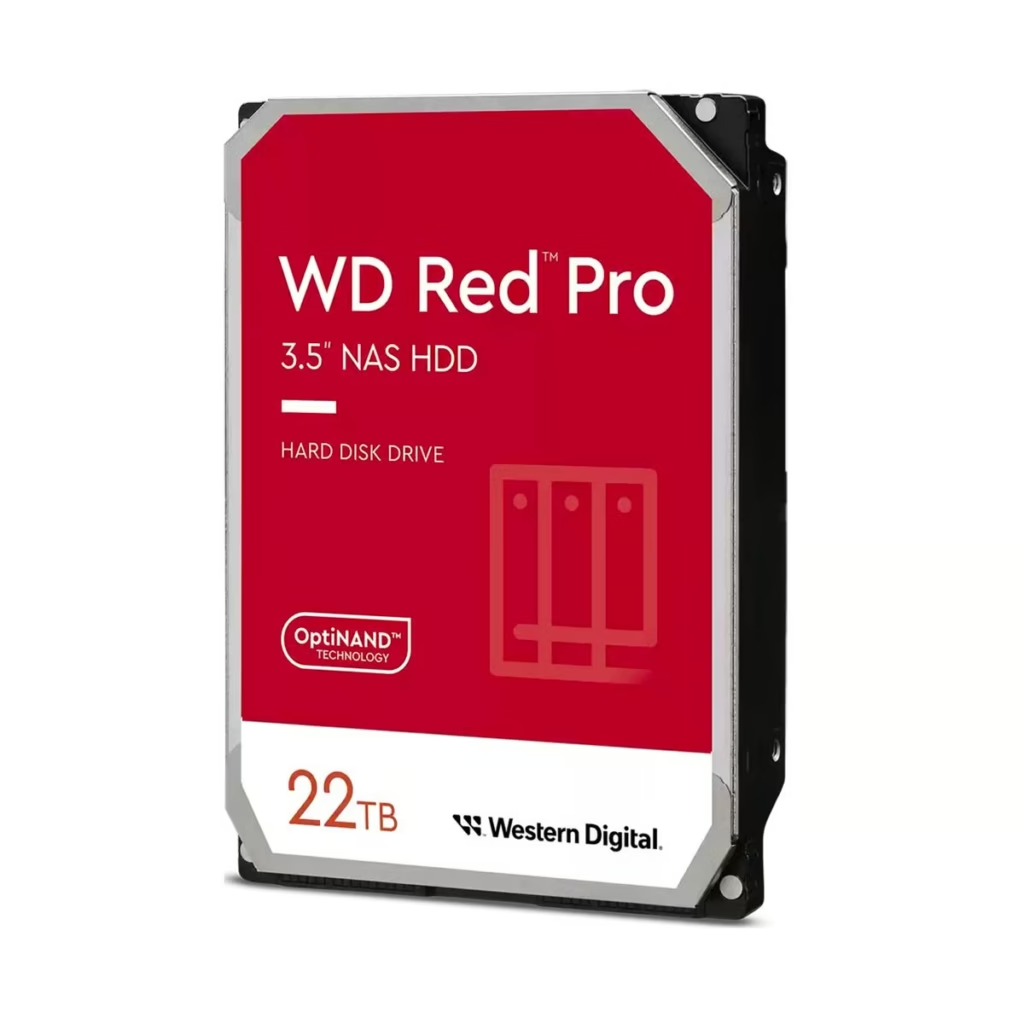
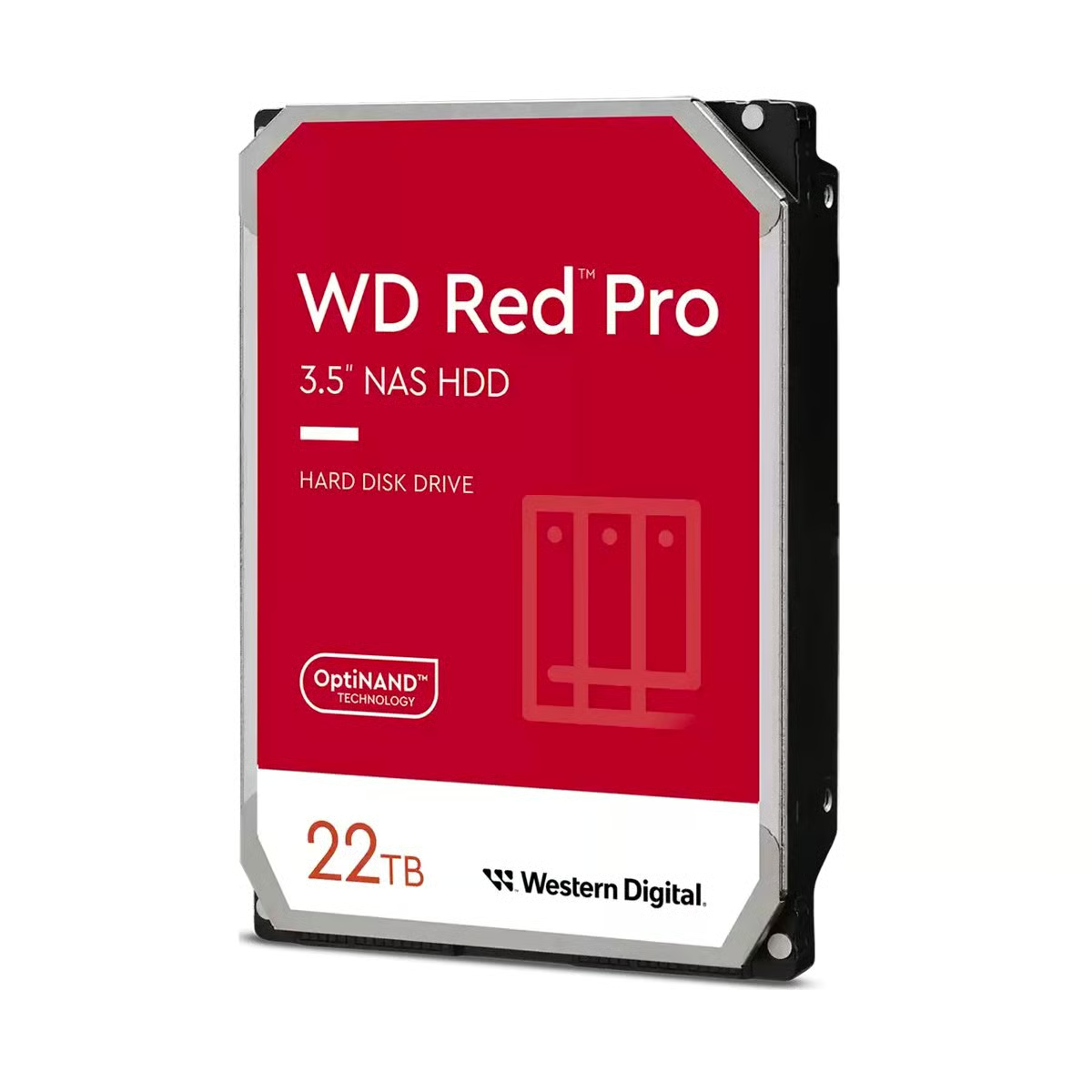
Western Digital offers specialized solutions for different enterprise tiers. The WD Red Pro, scoring 4.50, is widely considered the best for enterprise NAS systems. It offers strong performance in random workloads thanks to its 7,200 RPM spindle speed and a substantial 512MB of DRAM cache on models 14TB and larger. With a pricing peak around $700, it is a premium investment for high-performance network storage.
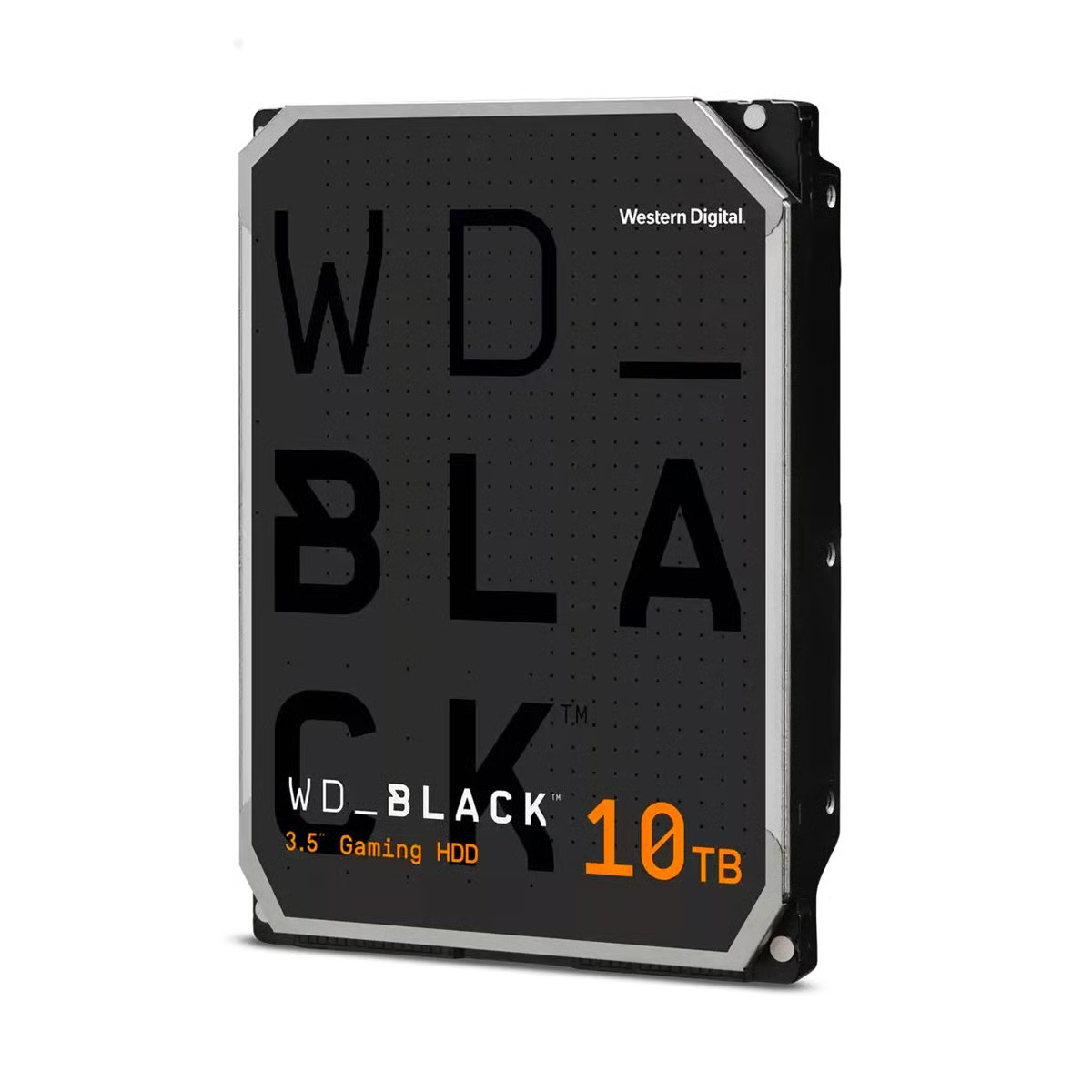
Conversely, the WD Black is positioned as the ideal choice for enterprise desktops, with an overall score of 4.05. It maintains a 7,200 RPM spindle speed for models 4 TB and above, making it a capable contender for high-end professional workstations. At a price point of approximately $450, it provides the speed necessary for local enterprise tasks that do not require a full server rack.
Toshiba N300 NAS: Reliability for Small and Large Teams
The Toshiba N300 NAS drive is a popular 3.5-inch option for high-performance storage systems, scoring an overall 4.25. Available in capacities up to 18 TB, the N300 is renowned for its endurance and performance at a price point (around $400) that remains attainable for small organizations and home offices while still meeting enterprise reliability standards.
Specialized Surveillance Storage: Seagate Skyhawk and WD Purple
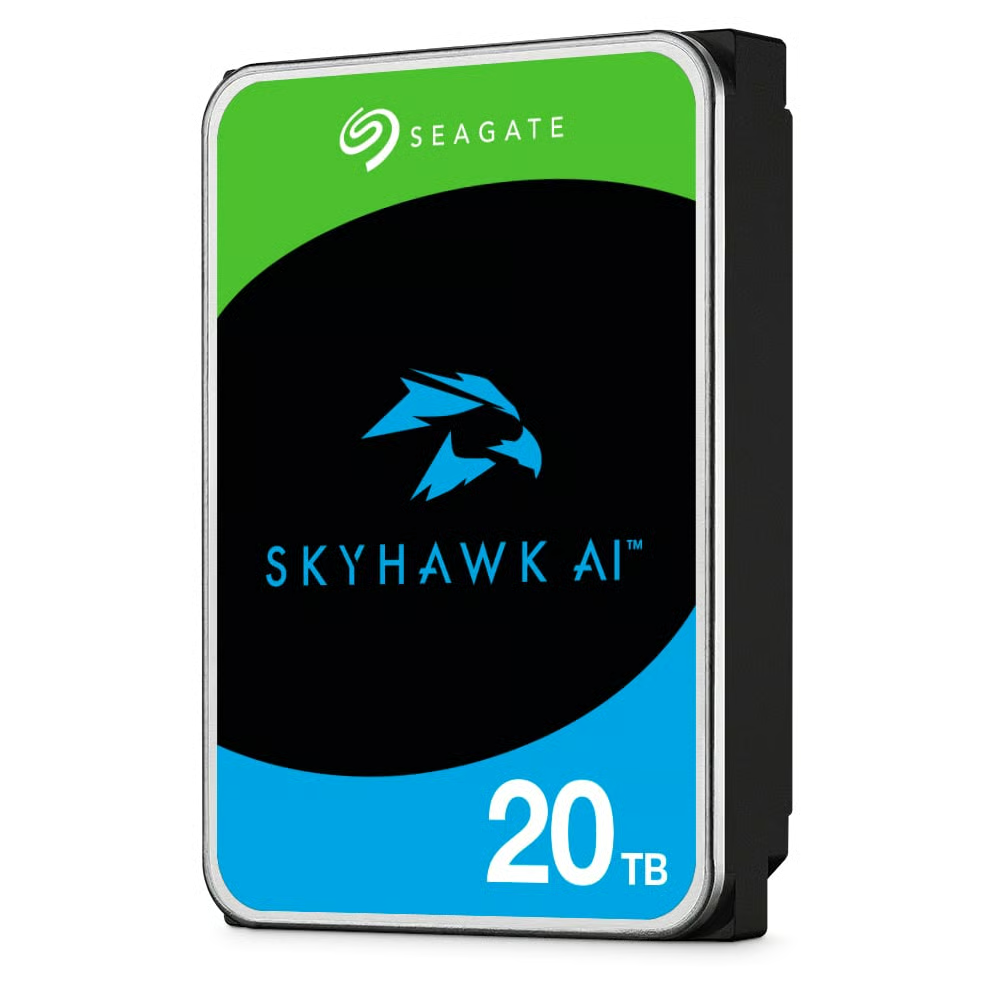
As video analytics and AI-driven security become more prevalent, specialized drives have emerged to meet these unique demands. The Seagate Skyhawk series (Overall Score 3.95) is designed specifically for Network Video Recorders (NVRs) and AI-enabled appliances. These drives are optimized for the deep learning capabilities required by modern surveillance systems, with pricing around $650.
The WD Purple series (Overall Score 4.55) serves a similar niche, focusing on 24/7 video surveillance recording. Tested for compatibility with a vast array of security systems, the WD Purple offers surveillance-class storage for approximately $214, making it a highly efficient choice for security-focused enterprise deployments.
Key Features of Enterprise Hard Drives
When selecting hardware for a business infrastructure, certain features take precedence to ensure the system is future-proofed against increasing data demands.
Reliability and Durability
The primary differentiator for enterprise drives is their ability to withstand 24/7 operation. This is often quantified by Mean Time Between Failure (MTBF) rates, which are significantly higher than those of consumer drives. These units are built with higher-quality components and undergo more rigorous testing to ensure they can survive the heat and vibration of a dense server rack.
Performance Optimization
Enterprise drives are optimized for high Input/Output (I/O) operations. This includes faster data transfer rates and larger cache sizes, which allow the drive to maintain consistent performance even when multiple users or applications are accessing data simultaneously.
Error Recovery and Data Protection
Integrity is paramount in business storage. Enterprise drives utilize advanced error correction codes (ECC) and mechanisms like Time-Limited Error Recovery (TLER). TLER is particularly critical in RAID configurations; it prevents a drive from staying in an error-recovery cycle for too long, which could otherwise cause the RAID controller to mark the drive as failed and drop it from the array.
Power Efficiency
In a data center housing thousands of drives, power consumption and heat generation are major concerns. Many modern enterprise HDDs are designed with energy efficiency in mind, reducing the overall operational costs associated with power and cooling.
How We Evaluated Enterprise Hard Drives
The assessment of these drives was based on a weighted criteria system to ensure a fair and comprehensive comparison:
- Core Features (25%): This included capacity options, spindle speeds (RPM), data transfer rates, and vibration resistance.
- Enterprise Features (20%): Evaluation of advanced error recovery, hardware security mechanisms, and firmware update frequency.
- Support (20%): Availability of live chat, phone support, and the depth of documentation and knowledge bases.
- Vendor Profile (15%): The manufacturer’s reputation, length of time in business, and history of data security.
- Pricing (10%): The base price, breadth of options, and cost of additional support or warranties.
- Environments (10%): The versatility of the drive across data centers, cloud NAS, and hybrid installs.
Choosing the Right Drive for Your Business
Selecting the appropriate enterprise drive requires a deep understanding of your organization’s specific needs. For instance, an enterprise focused on video analytics would find the best fit in the Seagate Skyhawk or WD Purple series. Conversely, a firm requiring massive, reliable data storage for a cloud-based application would likely lean toward the WD Gold or Seagate Exos.
Ultimately, enterprise drives must provide more than just storage; they must offer a combination of scalability, security, and power efficiency. While the market is dominated by a few major players—Seagate, Western Digital, and Toshiba—the variety within their product lines ensures that there is a specialized solution for almost every enterprise use case, from AI/ML data workloads to high-security surveillance. Organizations should prioritize hardware that not only meets today’s capacity needs but also offers the durability to support the business for years to come.
 Enterprise Tech & Infrastructure
Navigating the Hidden Complexities of Amazon S3 Cost Management for the Enterprise
The financial management of cloud storage has evolved into a discipline that...
 Enterprise Tech & Infrastructure
Upscale AI Unveils SkyHammer Fabric to Challenge Nvidia’s Dominance in Scale-Up AI Networking
The history of high-performance computing has long been defined by a tension...
 Enterprise Tech & Infrastructure
Securing the Data Core: Evaluating the Security Architectures of DAS and NAS in the Enterprise
In the modern enterprise landscape, data is frequently described as the new...