
The final segment of the September series, taking place on September 24 and 29, addresses the growing prevalence of NoSQL databases in the enterprise. MongoDB has become a cornerstone of modern application development, yet it often lacks the same level of rigorous observability applied to traditional relational databases like SQL Server or PostgreSQL.
The session, titled "The Database No One’s Watching," addresses the limitations of native tools and generic Application Performance Monitoring (APM) solutions. While these tools provide basic insights, they often miss the "DBA-grade" detail required to conduct a thorough root-cause analysis during an incident. For a database as dynamic as MongoDB, deep visibility into queries, waits, locks, and the performance of individual nodes is vital.
The webinar will showcase how to integrate MongoDB into a unified, cross-database monitoring strategy. As organizations move toward polyglot persistence—using different database engines for different tasks—the ability to monitor all of them through a consistent lens becomes invaluable. By bringing MongoDB out of the blind spot, database teams can ensure that their NoSQL deployments are as stable, performant, and transparent as their traditional SQL counterparts. This session is designed to help teams move away from siloed monitoring and toward a more holistic view of their entire data estate.
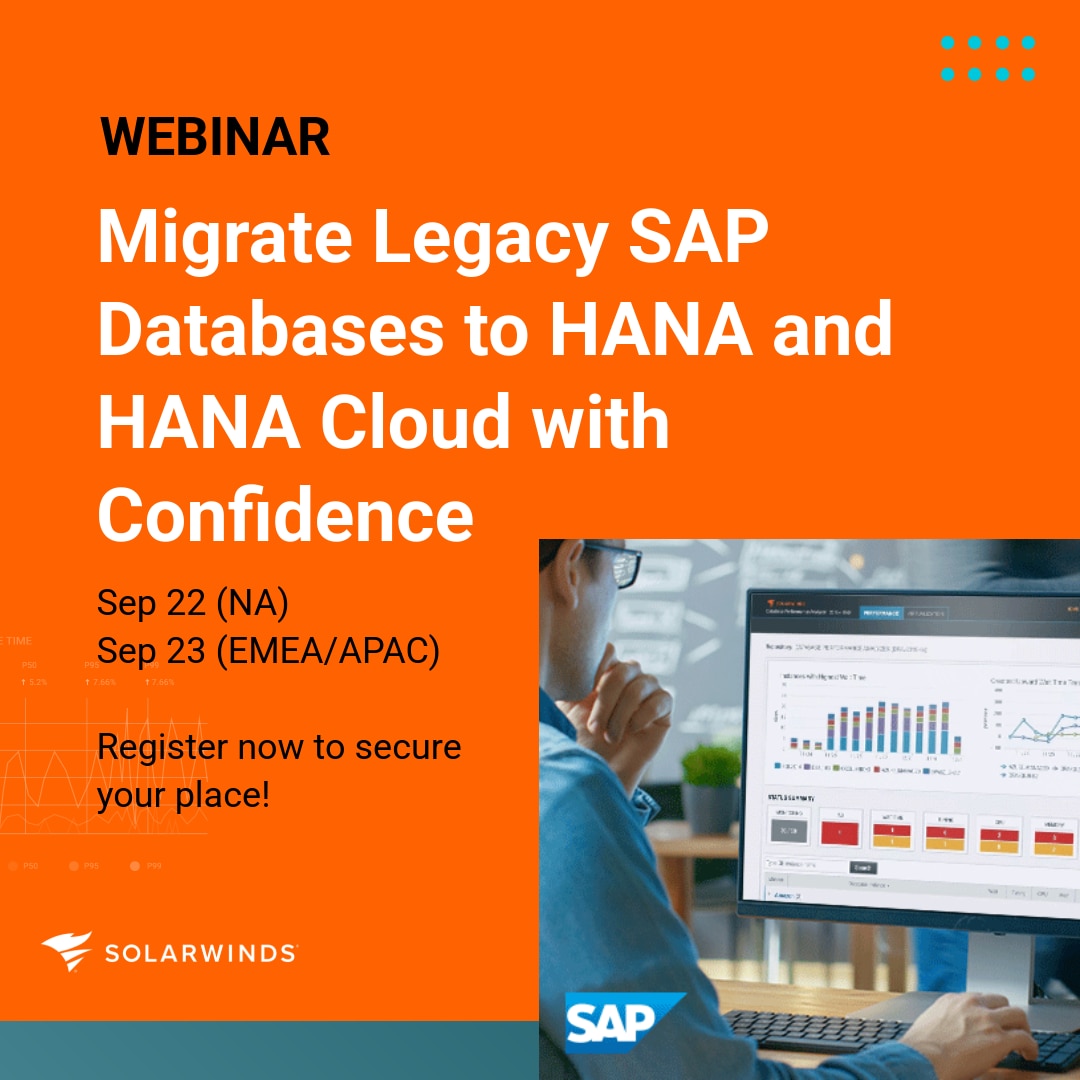
A Global Educational Opportunity
The structure of this webinar series reflects the global nature of modern IT operations. By running each session twice—once for North American audiences and once for those in the EMEA and APAC regions—the organizers are ensuring that time zones do not act as a barrier to professional development. Furthermore, the provision of on-demand recordings for all registrants acknowledges the demanding schedules of database professionals, who may be called away by urgent system issues at any moment.
The themes of this month’s sessions—AI integration, IT operations visibility, SAP HANA optimization, and NoSQL observability—represent the most pressing challenges facing the industry today. Each session includes a live Q&A component, allowing participants to engage directly with experts and seek guidance on their specific architectural hurdles.
As the month progresses, these webinars will provide a comprehensive toolkit for database teams looking to enhance their skills and improve the reliability of their systems. Whether a team is focused on the cutting edge of LLM architecture or the essential task of maintaining legacy SAP systems, the September lineup offers a diverse range of technical insights designed to support the continuous improvement of the global database community. Registration remains open for all upcoming sessions, encouraging a wide range of participation from across the technology sector.
 Helpdesk & IT Service Management (ITSM)
The Trillion-Dollar ROI Challenge: Why AI Infrastructure Spending Must Spark a Global Innovation Revolution
As the global technology sector pivots toward an era defined by generative...
 Helpdesk & IT Service Management (ITSM)
Asus Expands Snapdragon-Powered Lineup with Affordable Zenbook 14 for the Modern Professional
Asus has officially expanded its ultra-portable laptop portfolio with the introduction of...
 Helpdesk & IT Service Management (ITSM)
NetApp and Oracle Unveil Native Integration to Streamline Enterprise Cloud Migration and AI Workloads
LAS VEGAS — In a move designed to bridge the gap between...







