
Modern Identity Verification and Recovery Failsafes
A robust security setup is not only about keeping unauthorized users out but also about ensuring the rightful owner can regain access in the event of an emergency. Google has significantly expanded its identity verification infrastructure to prevent permanent lockouts, which can be catastrophic for users who rely on the ecosystem for their livelihoods.

One of the most critical maintenance tasks is ensuring that recovery phone numbers and email addresses are current. It is common for users to forget these settings for years, only to find they no longer have access to the secondary email or phone number listed when they actually need it. Regularly auditing these settings in the Google Account security dashboard is a foundational step in digital hygiene.
In a significant update to its security protocols as of late 2026, Google introduced more sophisticated methods for identity confirmation, including selfie-centric verification. This system allows users to record a short video clip—capturing their face from multiple angles—to create a biometric template. In a worst-case scenario where traditional recovery methods fail, this video can be compared against a fresh recording to confirm the user’s identity with a high degree of certainty. This adds a biological layer to a digital problem, making it significantly harder for attackers to spoof their way into an account.
Furthermore, the introduction of "Recovery Contacts" has added a social dimension to account security. This feature allows users to designate a trusted friend or family member who can assist in the authentication process. If a user is locked out, the designated contact receives a unique code that they must relay to the user. This "out-of-band" verification ensures that the person attempting to access the account is physically or verbally communicating with someone who knows them, providing a human barrier against automated attacks.
Auditing the Ecosystem of Connections
A Google account does not exist in a vacuum; it is often the foundation for dozens of third-party applications and services. Every time a user signs into a new app using their Google credentials or grants a productivity tool access to their Drive or Calendar, a digital "token" is created. Over time, these permissions can accumulate, creating a silent and often overlooked security risk.
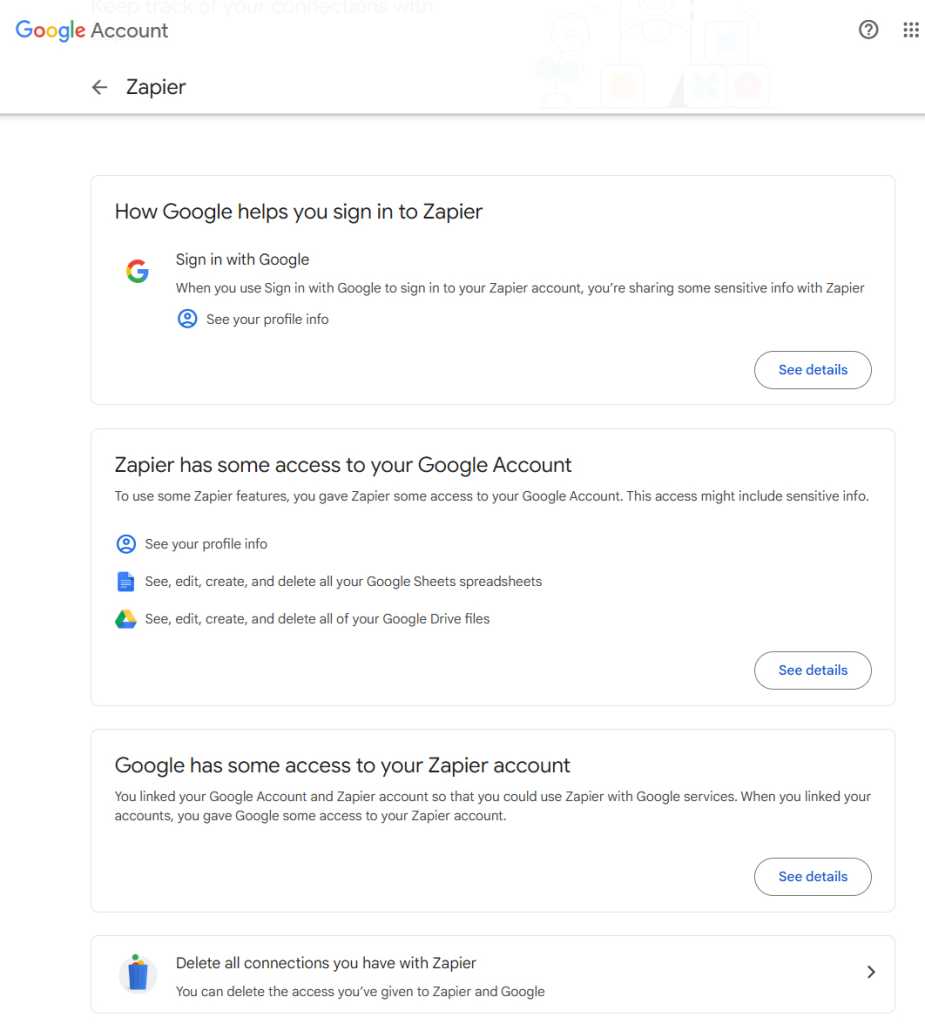
The danger lies in the scope of access granted. Some apps may only require basic profile information, while others might have the authority to read, delete, or modify emails and files. If a third-party developer’s security is compromised, the access tokens they hold could potentially be used to reach into the user’s Google account. A regular audit of the "third-party apps with account access" list is essential. Revoking access for services that are no longer in use or that seem to demand excessive permissions is a vital step in minimizing one’s attack surface.
 Small Business IT & Cloud Computing
Tech Manufacturing Faces Triple Threat of Surging Component Costs, Logistics Strain, and Global Sovereignty Shifts
The consumer electronics landscape is currently navigating a period of unprecedented volatility,...
 Small Business IT & Cloud Computing
Microsoft Issues Emergency Fixes Following Disruptive September Patch Tuesday Updates
The long-standing mantra for information technology professionals and cybersecurity experts has always...
 Small Business IT & Cloud Computing
AI-Driven Cyberattacks Target Online Retailers at a Cost of Just $25 Per Breach
The landscape of cybersecurity is undergoing a fundamental shift as the barrier...







