
In the rapidly evolving landscape of corporate data infrastructure, the demand for high-capacity, high-reliability storage has never been more acute. As organizations grapple with the massive influx of data generated by artificial intelligence, cloud computing, and 24/7 digital operations, the hardware at the foundation of these systems must meet rigorous standards. Enterprise hard drives, distinct from their consumer-grade counterparts, are specifically engineered to provide the performance and durability required for mission-critical applications.
A recent comprehensive evaluation by Enterprise Storage Forum has identified the top ten enterprise hard disk drives (HDDs) for 2023. The study analyzed a wide array of products designed for various environments, including modern data centers, network-attached storage (NAS) appliances, and hybrid cloud servers. Each drive was rigorously scored based on pricing, core performance metrics, enterprise-specific features, vendor reputation, and the quality of customer support.
The Standard for Enterprise Reliability
Unlike general-purpose hard drives used in standard laptops or desktops, enterprise-grade HDDs are built for continuous, heavy-duty use. These drives are designed to operate 24 hours a day, 365 days a year, often in high-density racks where vibration and heat are significant factors. The evaluation emphasized that while consumer drives might prioritize cost per gigabyte, enterprise drives prioritize "Mean Time Between Failure" (MTBF) and data integrity features like error correction and vibration resistance.
The performance of these drives is essential for the seamless functioning of modern business infrastructures. Whether supporting a cloud server or a massive surveillance network, these drives must maintain high-speed access and high-capacity storage without compromising the resilience of the data they hold.
Top Performers in the 2023 Evaluation
The evaluation highlighted several standout models from the industry’s three primary players: Seagate, Western Digital, and Toshiba. Each of these vendors has carved out niches ranging from heavy-workload servers to specialized surveillance systems.
Seagate Exos and IronWolf Pro
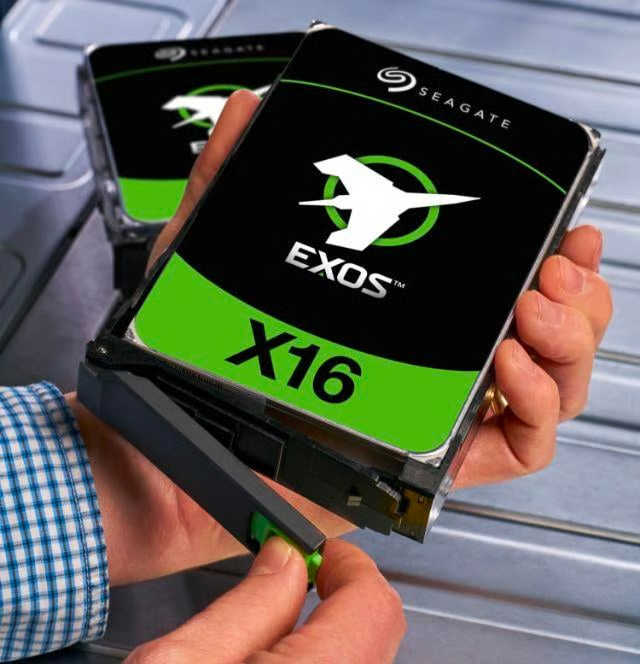
Seagate’s Exos series emerged as a top choice for organizations managing heavy workloads. Designed specifically for server environments, the Exos series is available with either Serial AT Attachment (SATA) or Serial Attached SCSI (SAS) interfaces. One of the most impressive metrics for the Exos line is its rating of 2.5 million hours MTBF, signaling a level of reliability that few competitors can match. In the scoring, it earned a 4.43 overall, with a perfect 5.0 in both enterprise features and vendor profile.
Close behind is the Seagate IronWolf Pro, which is optimized for data centers and high-capacity NAS applications. The IronWolf Pro is built to handle the rigorous demands of multi-user environments, offering compatibility across SATA, SAS, and non-volatile memory express (NVMe) applications. While it scored slightly lower than the Exos in core features, it remains a staple for data center managers requiring consistent performance.
Western Digital Gold and Red Pro
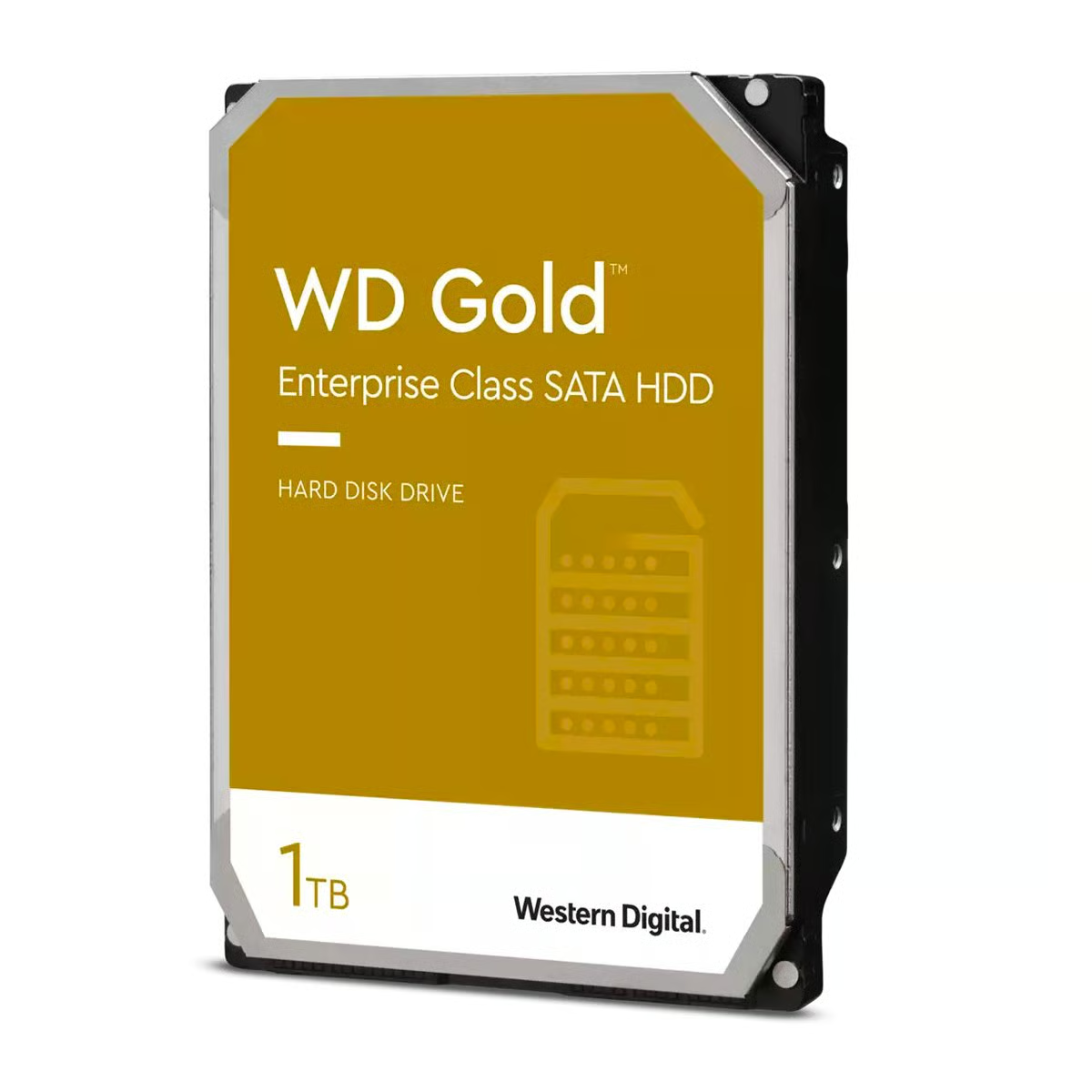
Western Digital’s Gold Enterprise series achieved one of the highest overall scores in the evaluation at 4.78. As the manufacturer’s flagship HDD series, the Gold drives are noted for their high storage capacities and sustained transfer rates. A key differentiator for the Gold series is "ArmorCache," a non-volatile cache solution. This technology is designed to improve performance while significantly reducing the risk of data loss during power fluctuations—a common vulnerability in traditional DRAM-based caching systems.
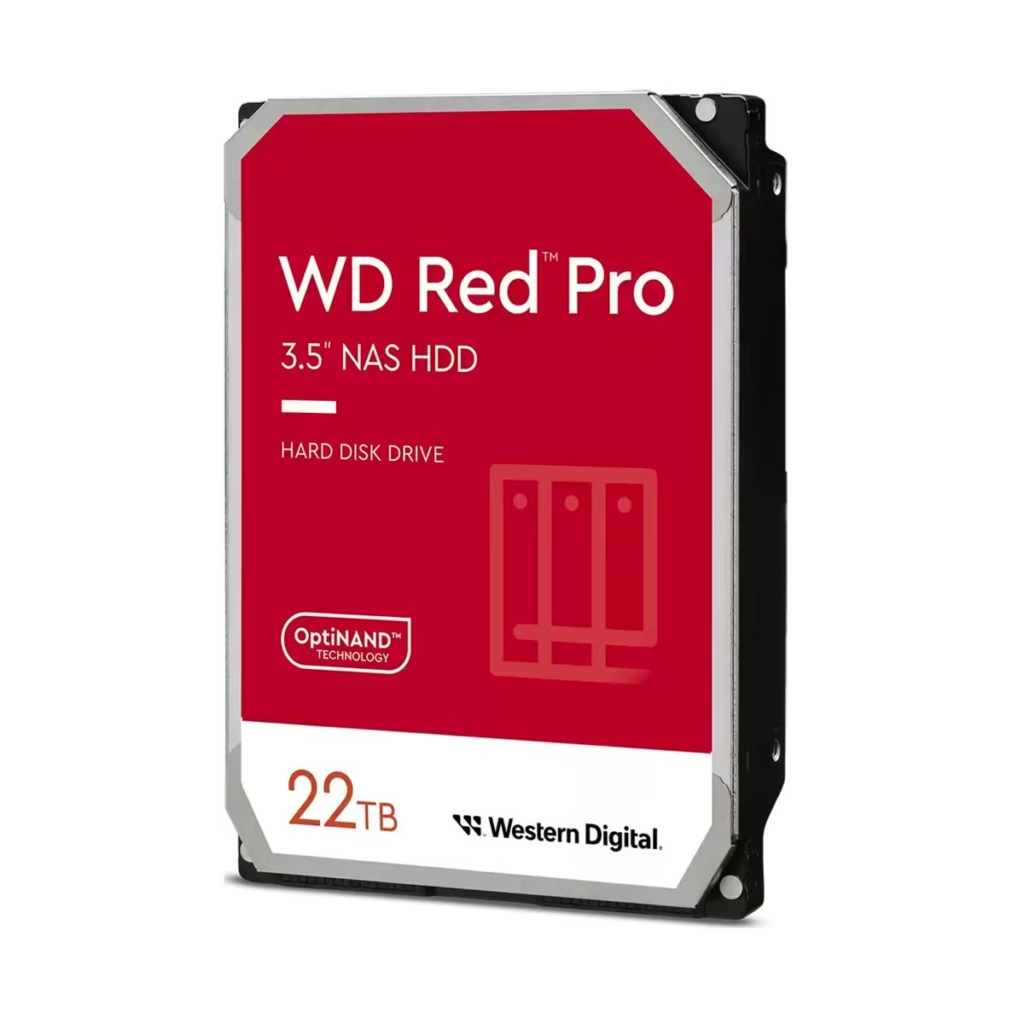
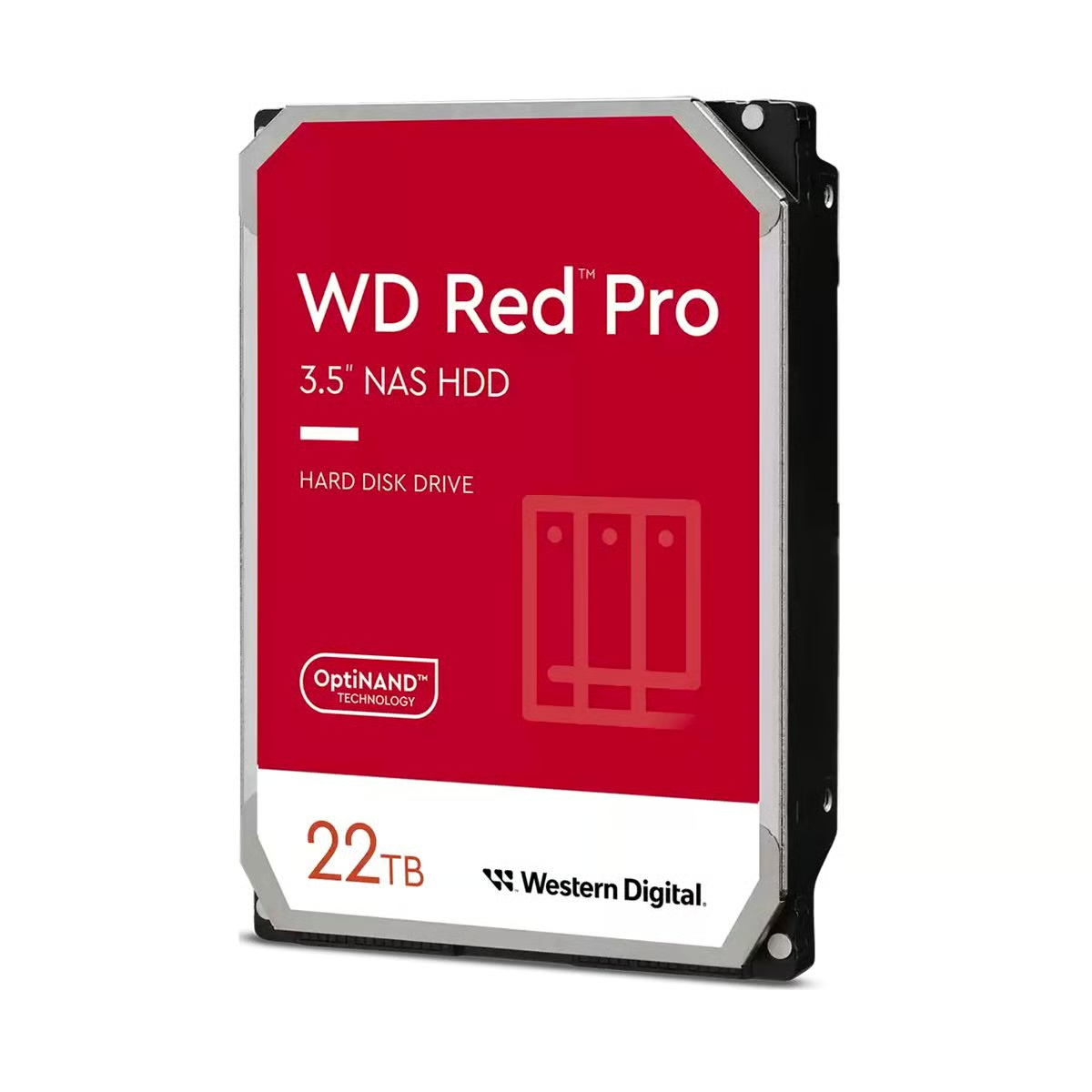
For the NAS market, the WD Red Pro stands out as a high-performance option. By utilizing a 7,200 RPM spindle speed, the Red Pro offers superior performance in random workloads. This is particularly beneficial for businesses running complex databases or creative workflows where multiple users are accessing the drive simultaneously. The larger models, starting at 14TB, also feature 512MB of DRAM cache to further smooth out data transfers.
Toshiba MG Series and N300
Toshiba remains a formidable competitor, particularly with its MG Series. These drives are designed for mixed-use workloads in data center servers and storage infrastructures. With capacity options ranging from 1TB to 10TB, the MG Series provides the flexibility needed to support 24/7 operations. It earned a respectable 4.58 overall score, bolstered by high marks in core and enterprise features.
For smaller organizations or home offices that still require enterprise-grade reliability, the Toshiba N300 NAS drive is a popular choice. Available in capacities up to 18TB, the N300 is renowned for its endurance and performance at a price point that is more accessible than some high-end data center drives.
Specialized Storage for Surveillance and Vaulting
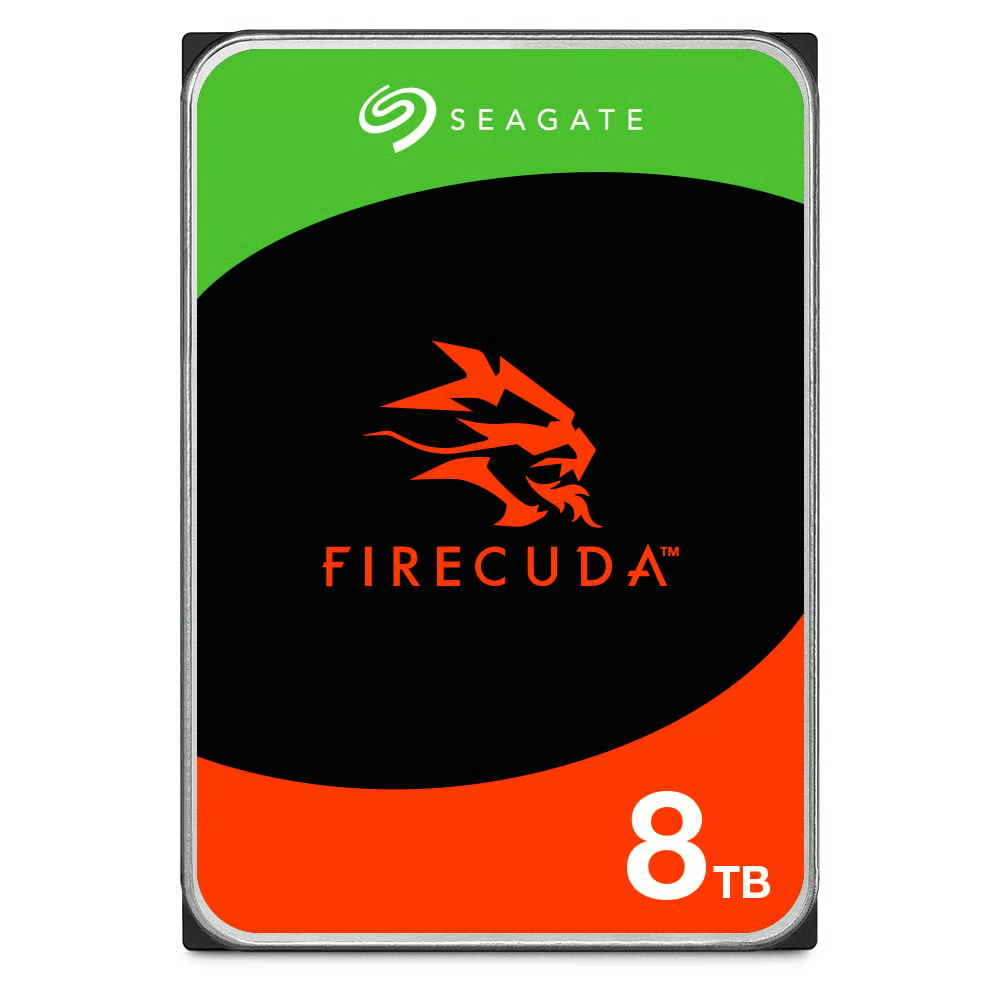
The evaluation also looked at drives tailored for specific, high-intensity use cases. The Seagate FireCuda, while often associated with high-end gaming and audio-visual (A/V) applications, was identified as a top-tier choice for "vault" use cases. Its industrial-grade construction allows it to serve effectively in enterprise data centers that require rapid access to intensive data sets, earning an overall score of 4.95.
In the surveillance sector, two drives dominated the conversation: the Seagate Skyhawk AI and the WD Purple series. The Skyhawk AI is engineered for artificial intelligence network video recorders (AI NVRs), supporting deep learning and video analytics. Meanwhile, the WD Purple series is built for 24/7 video recording, offering broad compatibility with various security systems. Both drives are essential for enterprises that must manage massive streams of high-definition video data without frame loss.
Key Features of Modern Enterprise HDDs
The evaluation process identified several critical features that organizations should prioritize when selecting storage hardware. These features ensure that the infrastructure remains future-proof and capable of handling increasing data demands.
Reliability and Durability
Every drive on the list is built to withstand the rigors of constant operation. Business environments cannot afford the downtime associated with drive failures, which is why these models feature higher MTBF rates and are subjected to more rigorous testing phases than standard consumer hardware.
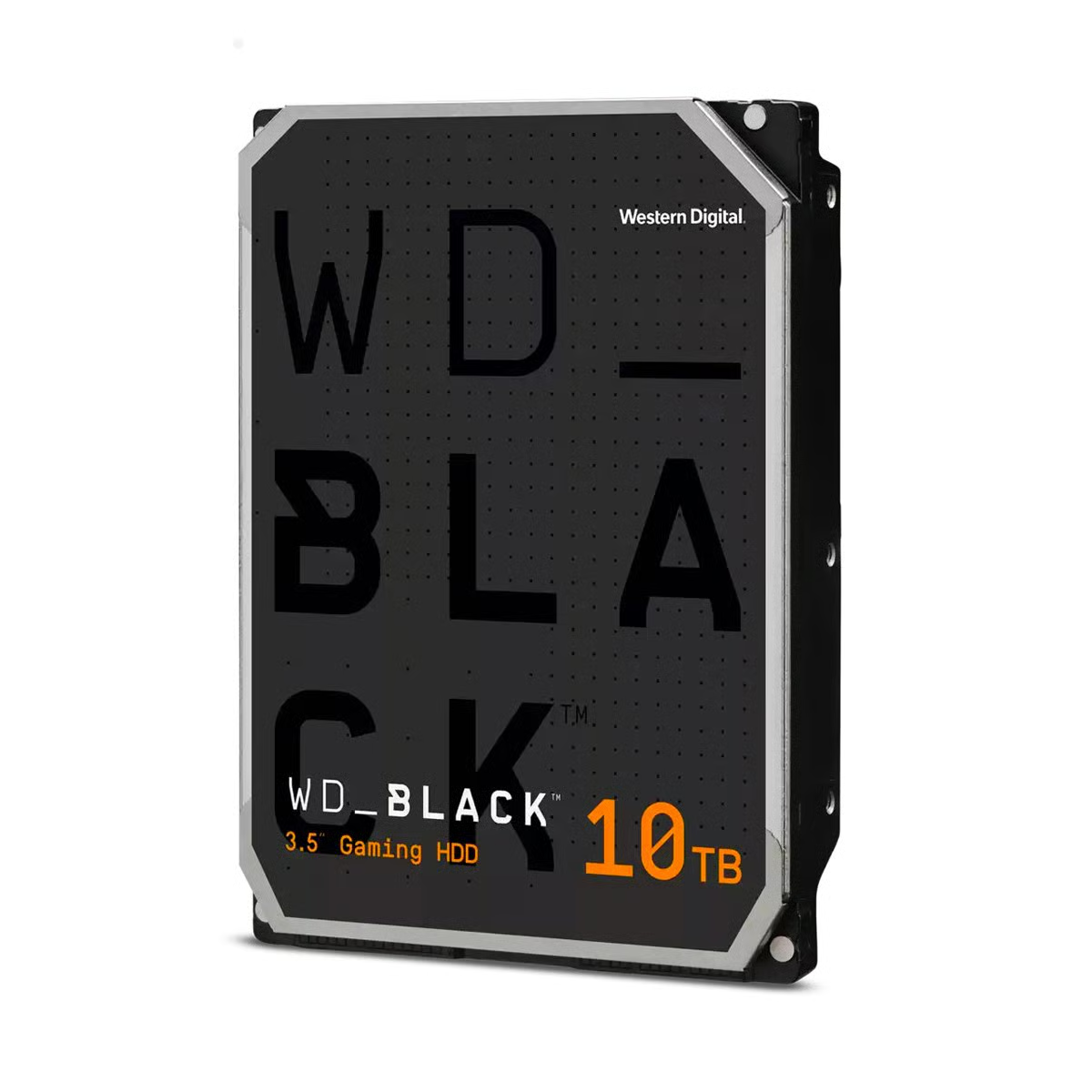
Performance Optimization
Enterprise drives are fine-tuned for high input/output (I/O) operations. This is achieved through faster data transfer rates, larger cache sizes, and improved seek times. Such optimizations allow the drives to maintain consistent performance even when the workload becomes heavy or unpredictable.
Error Recovery and Data Protection
Data integrity is a non-negotiable requirement for enterprise storage. Advanced error recovery mechanisms, such as Time-Limited Error Recovery (TLER), are common in these top-rated drives. TLER prevents a drive from becoming unresponsive while attempting to recover from a read or write error, which is crucial for maintaining the stability of Redundant Array of Independent Disk (RAID) configurations.
Power Efficiency
As data centers grow in scale, power consumption becomes a major operational cost. Many of the top enterprise drives are designed with energy efficiency in mind. By reducing power consumption and heat output, these drives help lower cooling requirements and overall operational expenses for the organization.
Methodology: How the Drives Were Scored
To provide a fair and comprehensive ranking, the evaluation utilized a weighted scoring system across six key categories:
- Core Features (25%): This included essential specs such as capacity options, spindle speeds (RPM), data transfer rates, and vibration resistance.
- Enterprise Features (20%): Analysts looked for advanced error recovery, hardware-based security mechanisms, and frequent firmware updates.
- Support (20%): The availability of live chat, phone, and email support, along with comprehensive documentation, was a major factor.
- Vendor Profile (15%): This measured the manufacturer’s reputation, length of time in the industry, and the breadth of their product line.
- Pricing (10%): While less critical than performance, the base price and the availability of bulk discounts or upgrade options were considered.
- Environments (10%): This assessed how well the drive performed across different installations, including cloud, hybrid, and on-premises data centers.
Selecting the Right Drive for the Business
The evaluation concludes that choosing the best enterprise hard drive requires a deep understanding of a company’s specific needs. For instance, a firm focusing on AI-driven security would find the Seagate Skyhawk or WD Purple most beneficial, while a company managing a massive cloud database would likely lean toward the Western Digital Gold or Seagate Exos.
Ultimately, the enterprise hard drive market remains dominated by a small group of high-reputation players, but the variety of drives available allows for highly specialized solutions. By prioritizing reliability, security, and scalability, organizations can ensure that their data infrastructure remains robust enough to handle the challenges of 2023 and beyond.
 Enterprise Tech & Infrastructure
Navigating the Shift to Software-Defined Storage: Essential Strategies for Modern Enterprise Data Management
The landscape of enterprise data management is undergoing a fundamental transformation as...
 Enterprise Tech & Infrastructure
Cisco Unveils Automated Control Layer to Bridge the Gap Between Isolated Quantum Nodes and Distributed Architectures
In the rapidly evolving landscape of quantum information science, the primary focus...
 Enterprise Tech & Infrastructure
The Hidden Architecture of Amazon S3 Costs: Why the Per-Gigabyte Rate is Only the Tip of the Iceberg
For many enterprise IT leaders, the initial appeal of Amazon S3 lies...







