
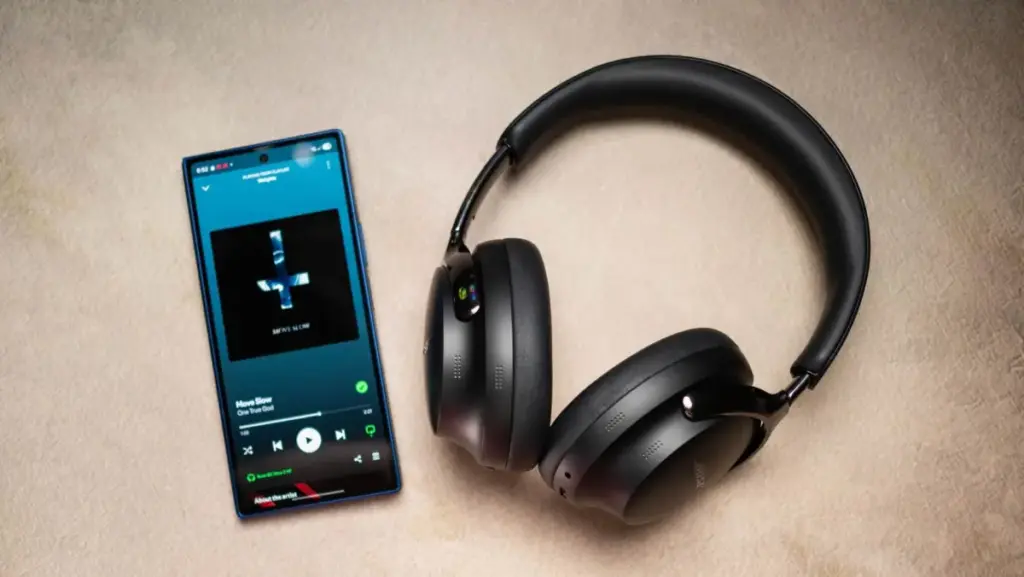
For nearly a decade, the premium over-ear headphone market has been defined by a select group of industry heavyweights. Brands such as Sony, Bose, Sennheiser, and more recently Apple, have established a dominant foothold, creating a competitive landscape where high-fidelity audio, active noise cancellation (ANC), and ecosystem integration are the primary battlegrounds. While Samsung has successfully carved out a significant share of the true wireless earbud market with its popular Galaxy Buds series, the South Korean tech giant has conspicuously avoided the flagship over-ear category—until now.
According to a series of recent reports and leaks, Samsung is finally preparing to step into the ring with a new pair of premium over-ear headphones. The device, which is reportedly being developed under the "Galaxy Studio" branding, represents a potential shift in Samsung’s mobile accessory strategy. If the rumors hold true, the Galaxy Studio headphones could serve as the long-awaited direct competitor to Apple’s AirPods Max and Sony’s critically acclaimed WH-1000X series.
The Emergence of the Galaxy Studio Leak
The initial details regarding the Galaxy Studio headphones surfaced via a leaker known as evowizz on X (formerly Twitter). While the name of the product is the primary piece of information currently circulating, the source carries a degree of credibility due to a recent track record of accurate predictions. The same leaker was responsible for revealing details about Samsung’s foray into the open-ear earbud market. Those rumors were eventually validated when Samsung officially launched its first clip-on style audio product, the Galaxy Buds On, earlier this month.
The transition from "Galaxy Buds" to "Galaxy Studio" for an over-ear product suggests a deliberate branding choice. While the "Buds" moniker has become synonymous with Samsung’s in-ear offerings, the "Studio" suffix implies a different tier of performance. Historically, the "Studio" label in the audio industry is associated with professional-grade monitoring, high-resolution audio, and a focus on acoustic precision. By adopting this name, Samsung may be signaling that these headphones are intended for more than just casual commuting, perhaps targeting audiophiles and creative professionals who require a more robust listening experience than what earbuds can provide.
Filling a Gap in the Galaxy Ecosystem
Samsung’s current audio portfolio is diverse, ranging from the budget-friendly Galaxy Buds FE to the high-end Galaxy Buds 3 Pro. However, the absence of an over-ear model has been a notable omission for a company that prides itself on offering a comprehensive ecosystem of devices. Apple users have the AirPods Max, and Sony enthusiasts have a clear upgrade path from the WF series (earbuds) to the WH series (over-ears). Samsung users, conversely, have often had to look outside the Galaxy brand when seeking a premium over-ear experience.
The development of the Galaxy Studio headphones suggests that Samsung is looking to close this gap. By offering a first-party over-ear solution, the company can leverage its existing software features to create a more seamless user experience. Features such as "Auto Switch," which allows audio to transition fluidly between a Galaxy tablet and a Galaxy phone, or "360 Audio" with head tracking, are currently available on Galaxy Buds but would arguably be even more immersive in an over-ear form factor with larger drivers and better passive isolation.
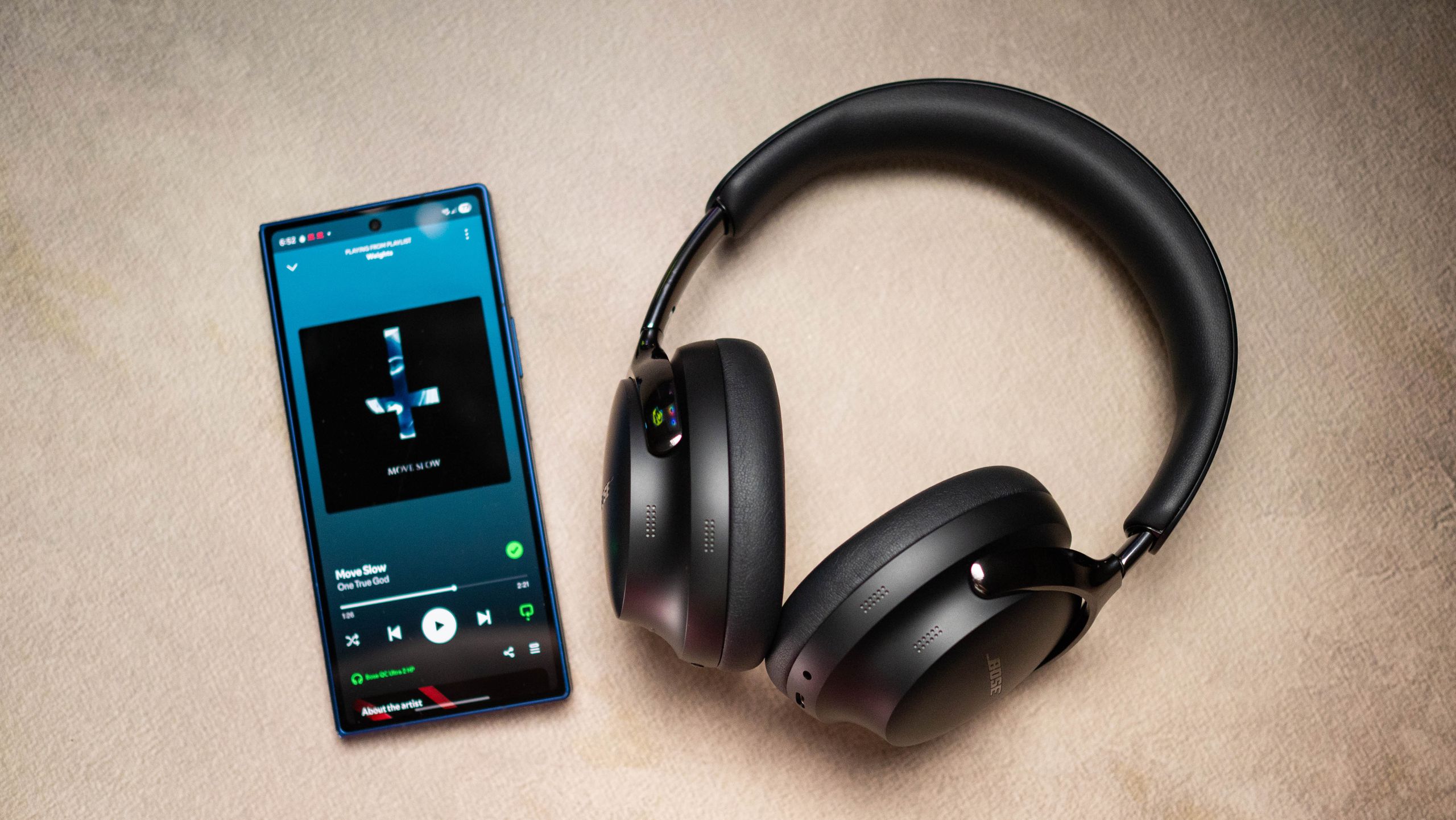
Furthermore, Samsung’s 2017 acquisition of Harman International—the parent company of legendary audio brands like AKG, JBL, and Harman Kardon—provides the company with a massive internal resource for acoustic engineering. While AKG branding has appeared on Samsung’s earbuds and tuned its smartphone speakers for years, the Galaxy Studio could represent the most ambitious collaboration yet between Samsung’s mobile division and its audio specialists.
Competitive Pressures and Market Standards
Entering the premium over-ear market is a formidable challenge, as the current leaders have set an exceptionally high bar. Sony’s WH-1000XM5 is widely regarded as the gold standard for active noise cancellation and smart features, while the Bose QuietComfort Ultra series is praised for its industry-leading comfort and isolation. Apple’s AirPods Max, despite its high price point and aging hardware, remains a status symbol with exceptional build quality and deep integration with iOS.
To be successful, the Galaxy Studio will need to match or exceed these competitors in several key areas. Active noise cancellation is the most critical feature in this segment; Samsung will need to deploy an advanced multi-microphone array and sophisticated algorithms to compete with the "silence" offered by Sony and Bose. Additionally, battery life has become a major selling point, with many modern flagship headphones offering 30 to 60 hours of playback on a single charge.
Connectivity and codec support will also be under scrutiny. Samsung currently utilizes its proprietary "Samsung Seamless Codec" (SSC) to deliver high-bitrate audio to Galaxy Buds. It is highly likely that the Galaxy Studio will utilize this same technology to ensure that Galaxy smartphone users get the best possible sound quality. However, industry observers are also curious to see if Samsung will support more universal high-resolution standards like LDAC or aptX Lossless to appeal to a broader audience of Android users.
Potential Synergy with Future Technologies
The timing of the Galaxy Studio leak is particularly interesting when viewed alongside Samsung’s other rumored hardware developments. The company is reportedly preparing for a significant product unveiling in November, which is expected to focus on its "Android XR" initiative. This includes the highly anticipated "Galaxy Glasses," a wearable spatial computing device developed in partnership with Google and Qualcomm.
Spatial audio is a cornerstone of the extended reality (XR) and augmented reality (AR) experience. Over-ear headphones are inherently better suited for delivering a convincing 3D soundstage than earbuds, thanks to the physical size of the ear cups and the way they interact with the wearer’s outer ear (pinna). It is entirely possible that Samsung intends for the Galaxy Studio to be the primary audio companion for its XR headset, providing the high-fidelity, low-latency audio necessary for a truly immersive digital environment.
If Samsung chooses to launch the Galaxy Studio alongside its XR hardware in November, it would position the headphones not just as a music-listening device, but as a critical component of a new computing platform. This strategy would mirror Apple’s approach, where the AirPods Pro and AirPods Max are marketed as essential tools for the spatial audio features of the Vision Pro.
Design and Aesthetics
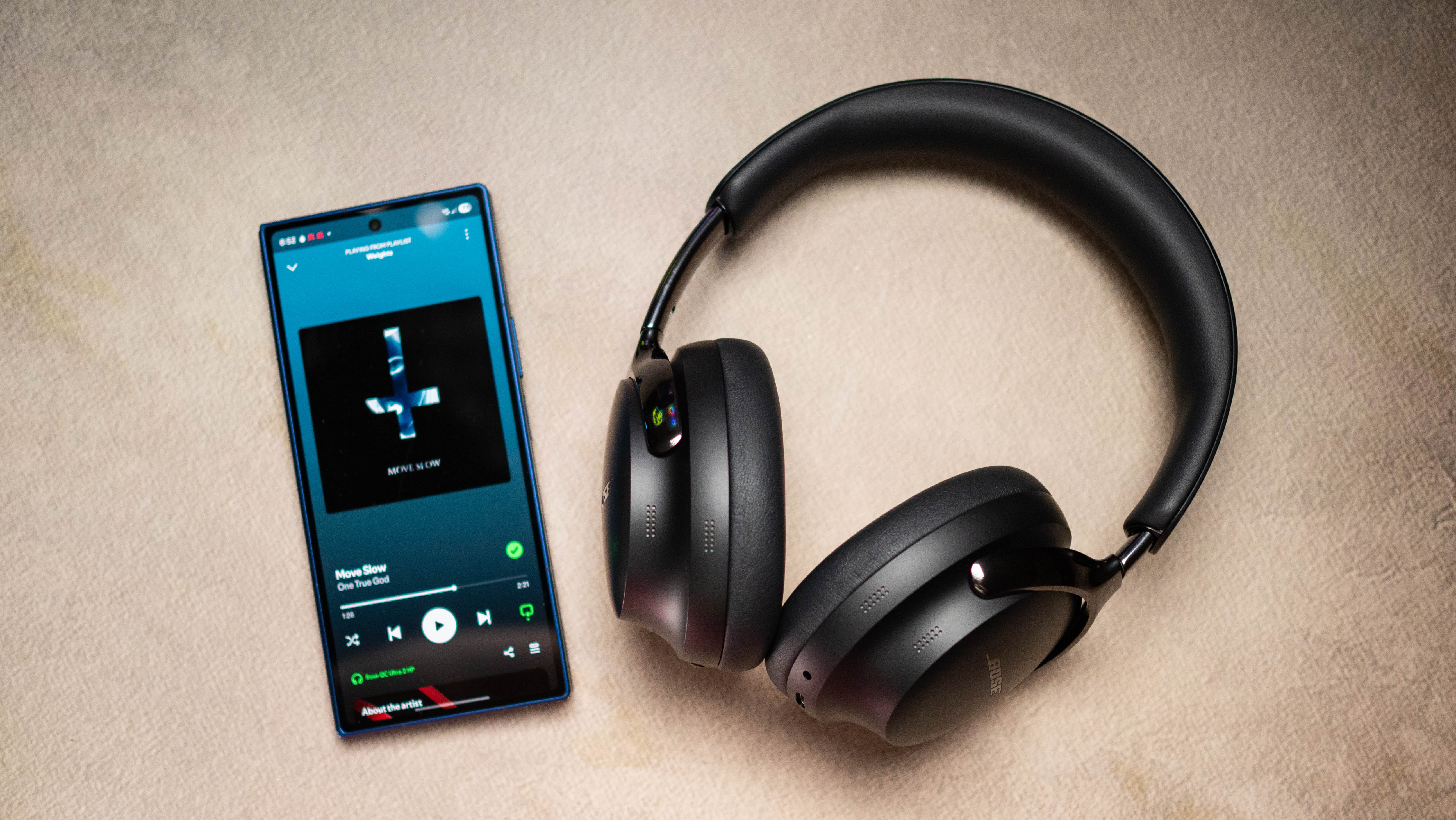
While there are currently no leaked images of the Galaxy Studio, Samsung’s recent design language provides some clues as to what consumers might expect. The launch of the Galaxy Buds 3 and Buds 3 Pro saw Samsung move toward a more "industrial" and angular look, incorporating "Blade Lights" and metallic finishes. It remains to be seen whether the Galaxy Studio will follow this futuristic aesthetic or opt for a more traditional, understated look similar to the sleek lines of the Sony WH-1000XM5 or the minimalist luxury of the AirPods Max.
Materials will also play a role in the product’s positioning. To compete with the $549 AirPods Max, Samsung may utilize premium materials such as aluminum or stainless steel for the headband and yokes. Conversely, if Samsung aims to undercut the competition on price, a high-quality polycarbonate construction—similar to that of Bose and Sony—might be more likely.
Looking Ahead
As of now, Samsung has not officially confirmed the existence of the Galaxy Studio or any other over-ear headphone project. However, the accumulation of leaks and the logical necessity of such a product within the Galaxy ecosystem suggest that an announcement is more a matter of "when" than "if."
The premium audio market is notoriously difficult to disrupt, as brand loyalty and established reputations for sound quality carry significant weight. However, Samsung has a history of entering established categories and eventually dominating through rapid iteration and ecosystem synergy. If the Galaxy Studio can deliver top-tier noise cancellation, long-lasting comfort, and the seamless integration that Galaxy users have come to expect, it could very well become the first serious challenger to the dominance of the AirPods Max and Sony’s flagship series.
With a rumored event on the horizon for November, the tech world will be watching closely to see if Samsung finally unveils its answer to the over-ear question. Until then, the Galaxy Studio remains one of the most intriguing "missing pieces" in the company’s mobile hardware puzzle. As more details emerge regarding specifications, pricing, and availability, we will continue to provide updates on this developing story.
 Mobile Device Management (MDM) & Mobile OS
Google Prepared to Expand Wearable Lineup with New Fitbit Edge Tracker
The landscape of the wearable technology market is undergoing a significant shift...
 Mobile Device Management (MDM) & Mobile OS
Google Reportedly Developing Next-Generation TV Streamer with Hands-Free Voice Controls and Presence Sensing
The landscape of home entertainment is shifting once again as reports emerge...
 Mobile Device Management (MDM) & Mobile OS
Next-Generation Google TV Streamer Reportedly in Development with Hands-Free Voice Controls and Presence Sensing
Google appears to be accelerating its ambitions for the living room, as...






