
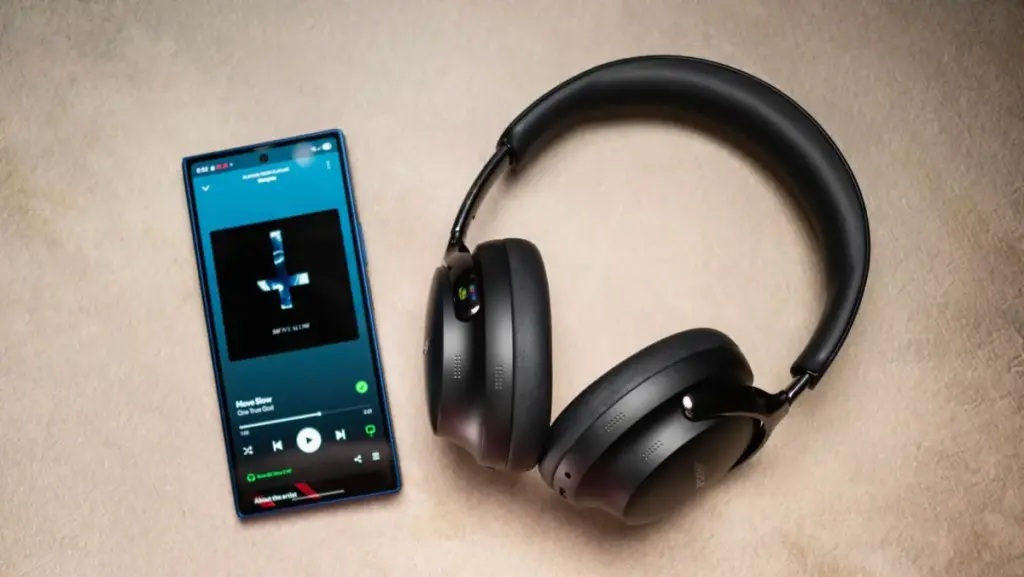
The landscape of the premium audio market has long been defined by a handful of dominant players. For years, consumers looking for high-end, over-ear noise-canceling headphones have generally gravitated toward a predictable shortlist: Sony’s industry-leading WH-1000X series, Bose’s legendary QuietComfort line, Apple’s luxury-oriented AirPods Max, or perhaps the audiophile-leaning offerings from Sennheiser. While Samsung has established itself as a formidable force in the true wireless stereo (TWS) earbud market with its Galaxy Buds lineup, it has remained curiously absent from the flagship over-ear category.
That may be about to change. According to a new report, the South Korean tech giant is finally preparing to mount a serious challenge to the heavyweights of the over-ear world. Samsung is reportedly developing a new pair of premium over-ear headphones that could be branded as the "Galaxy Studio." This move represents a significant strategic shift for Samsung, which has spent the last several years refining its in-ear audio technology while leaving the over-ear "prosumer" segment to its competitors.
What you need to know
The news of this development comes via a leak from the X (formerly Twitter) user evowizz, as first reported by 9to5Google. While the name "Galaxy Studio" is a new addition to the rumor mill, the source behind it has already established a degree of credibility within the Samsung ecosystem. The leaker was the first to reveal accurate details regarding Samsung’s recently released open-ear earbuds, which hit the market earlier this month under the "Galaxy Buds On" moniker. With the successful launch of that product confirming the leaker’s access to Samsung’s audio roadmap, the "Galaxy Studio" report is being taken seriously by industry observers.
Despite the emergence of the branding, specific technical details regarding the Galaxy Studio remain scarce. As of now, there are no leaked renders of the design, no confirmed specifications regarding driver size or battery life, and no official word from Samsung. However, the naming convention itself offers some clues as to where Samsung intends to position this product. By opting for the "Studio" suffix rather than the "Buds" branding used for its in-ear products, Samsung appears to be signaling a focus on high-fidelity audio, professional-grade noise cancellation, and perhaps a more robust build quality intended for long-form listening sessions.
Entering a Crowded and Competitive Market
The decision to enter the over-ear market is a bold one, as the segment is currently more competitive than ever. Sony has spent the better part of a decade perfecting the balance between industry-leading active noise cancellation (ANC) and consumer-friendly features. Their current flagship, the WH-1000XM5, is widely regarded as the gold standard for travelers and office workers alike. Meanwhile, Apple’s AirPods Max, despite their high price point and aging hardware, remain a status symbol with deep integration into the iOS ecosystem.
Samsung’s entry into this space suggests that the company sees a gap in the market for a flagship over-ear product that offers the same level of seamless integration for Android and Galaxy users that the AirPods Max offer for the iPhone crowd. While Samsung’s Galaxy Buds Pro 2 and the more recent Galaxy Buds 3 Pro have been praised for their sound quality and ecosystem features—such as Auto Switch between tablets and phones—they cannot match the physical comfort, battery endurance, and passive isolation provided by a dedicated over-ear design.
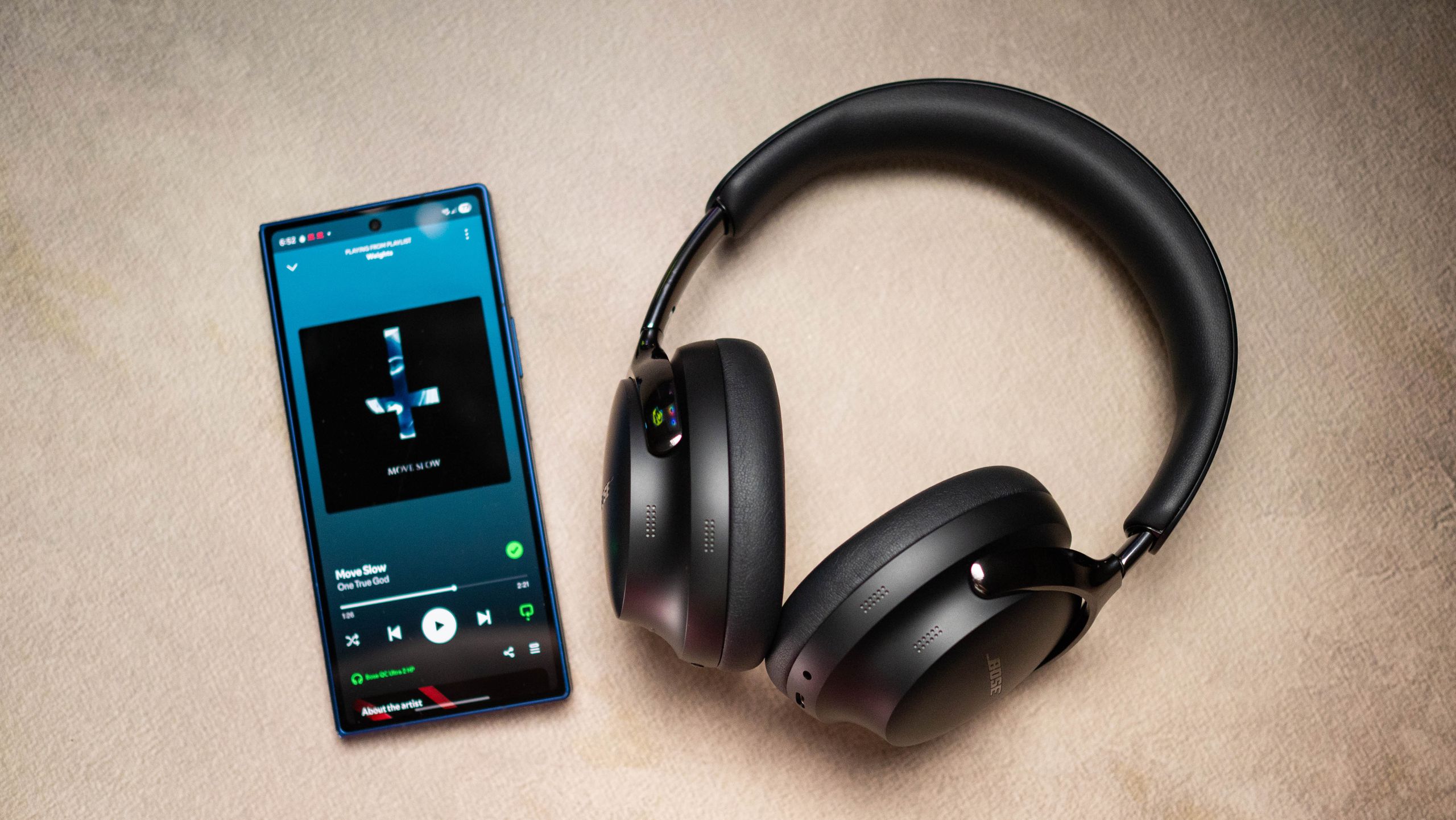
To succeed, the Galaxy Studio will likely need to leverage Samsung’s extensive research and development resources. It is worth noting that Samsung is the parent company of Harman International, which owns legendary audio brands such as AKG and JBL. For years, Samsung has utilized AKG’s acoustic engineering to tune its earbuds and smartphone speakers. It is highly probable that the Galaxy Studio will benefit from this partnership, potentially offering a sound signature that appeals to both mainstream listeners and more discerning audiophiles.
The Ecosystem Advantage
One of the primary drivers for Samsung’s potential success in this category is its vast "Galaxy" ecosystem. Much like Apple, Samsung has spent years building a walled garden of interconnected devices. Galaxy Buds users currently enjoy features like 360 Audio (Samsung’s version of spatial audio), easy pairing, and the Galaxy Wearable app for deep customization.
The Galaxy Studio would likely act as the centerpiece of this audio ecosystem. Integration with Galaxy AI—which Samsung has been aggressively pushing across its 2024 product lineup—could be a major selling point. Imagine over-ear headphones that can utilize the processing power of a Galaxy S24 to provide real-time language translation directly into the user’s ears, or ANC that intelligently adjusts based on the user’s surroundings detected by their Galaxy Watch.
Furthermore, Samsung’s proprietary "Samsung Seamless Codec" (SSC) allows for high-bitrate audio transmission between Samsung devices. While other brands rely on Qualcomm’s aptX or Sony’s LDAC, Samsung’s ecosystem approach ensures that Galaxy owners get the best possible audio quality without needing to worry about cross-brand compatibility. Bringing this technology to a high-end over-ear form factor would be a logical progression.
Timing and Potential Launch Window
While the leak provides a name, it does not provide a definitive release date. However, industry analysts are already looking toward Samsung’s upcoming hardware events for clues. Samsung typically holds two major "Unpacked" events per year, but the company often releases accessory and wearable refreshes in the final quarter of the year.
There is currently significant speculation surrounding a potential event in November. Reports suggest that Samsung is preparing to unveil its first pair of "Galaxy Glasses," a wearable augmented reality (AR) or extended reality (XR) product powered by Google’s Android XR platform. Given that spatial audio is a critical component of the XR experience, it would make strategic sense for Samsung to introduce its most advanced over-ear headphones alongside its most advanced wearable display.
By launching the Galaxy Studio alongside the Galaxy Glasses, Samsung could demonstrate a unified vision for the future of mobile entertainment and productivity. Over-ear headphones provide the immersive soundscape required for virtual environments, making them a natural companion for a headset or AR glasses.
What Consumers Can Expect
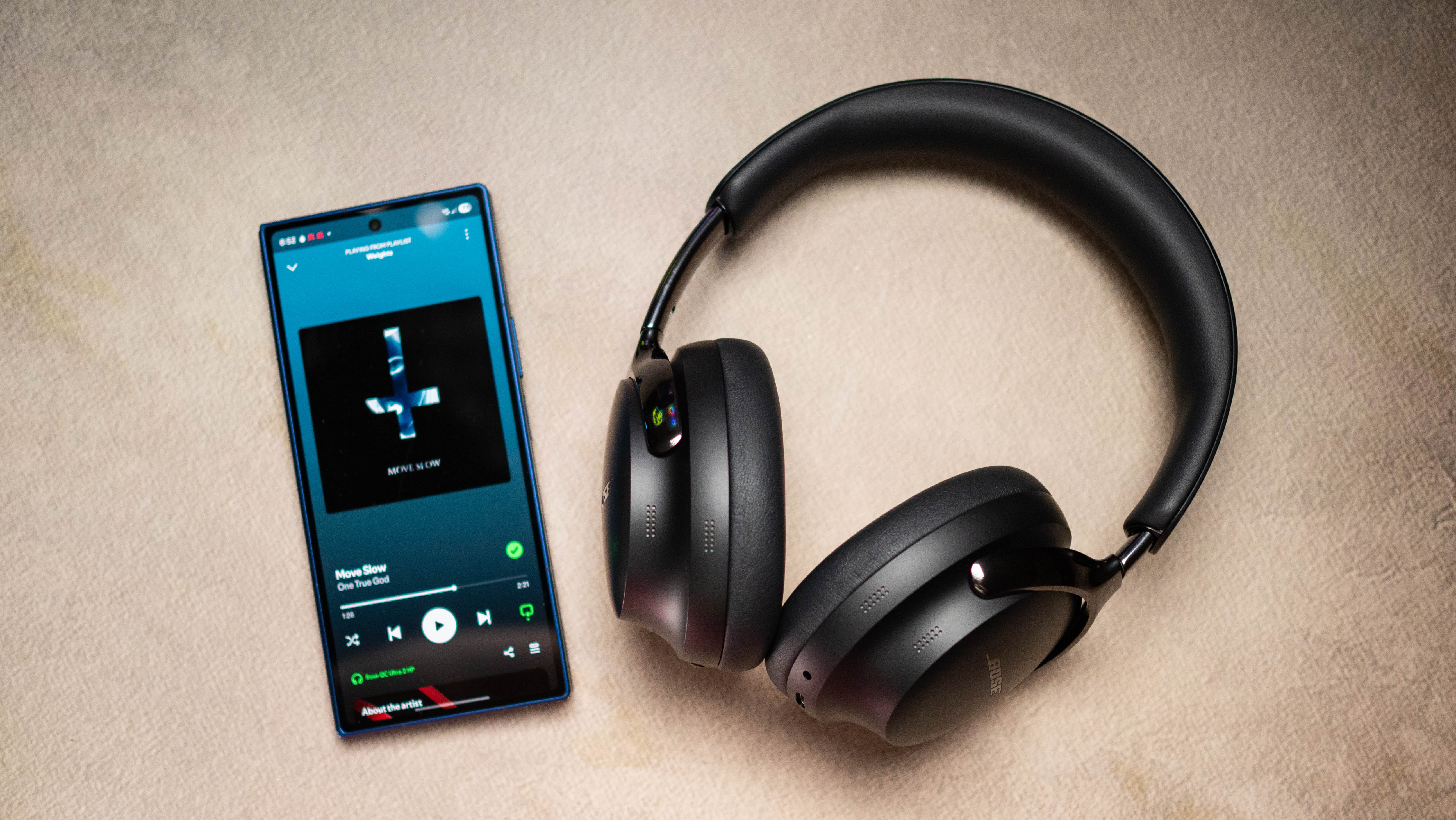
If Samsung follows its usual product philosophy, the Galaxy Studio will likely be priced competitively. While Apple’s AirPods Max debuted at $549, and Sony’s WH-1000XM5 often retails around $399, Samsung frequently positions its "Pro" and "Ultra" products to offer high-end specs at a slightly more accessible price point or through aggressive trade-in and bundle offers.
Design-wise, it remains to be seen if Samsung will opt for the retro-modern aesthetic of the AirPods Max, the utilitarian foldability of Bose, or the sleek, integrated look of the latest Sony models. Recent trends in Samsung’s design language—seen in the Galaxy Buds 3 Pro—suggest a shift toward more angular, "blade-like" aesthetics and the use of premium materials like polished metals and high-quality synthetics.
The inclusion of "Studio" in the name also suggests that Samsung may be targeting a more professional demographic. This could mean features like a wired mode for zero-latency monitoring, support for multiple simultaneous Bluetooth connections (multipoint), and a microphone array capable of isolating the user’s voice in noisy environments—a feature that has become essential in the era of remote work and video conferencing.
Looking Ahead
The report of the Galaxy Studio headphones marks an exciting moment for the mobile audio industry. For years, Samsung fans have asked for a premium over-ear option that doesn’t require them to step outside the Galaxy ecosystem. While third-party headphones from Sony or Bose work perfectly well with Android devices, they often lack the "instant-on" feel and deep software integration found in first-party accessories.
As of now, the Galaxy Studio remains a product of the rumor mill, albeit one with a credible source behind it. Samsung has not officially confirmed the existence of the headphones, and plans in the tech world are always subject to change based on supply chain constraints or internal shifts in strategy. However, the evidence is mounting that Samsung is no longer content to let Apple and Sony own the premium over-ear space.
We will continue to monitor the situation and update this story as more concrete details, leaked images, or official announcements regarding the Samsung Galaxy Studio emerge. If the November launch rumors hold true, the wait for a true Samsung flagship over-ear experience may finally be nearing its end.
 Mobile Device Management (MDM) & Mobile OS
Beyond Simple Blocking: How AI-Powered Context is Redefining Digital Safety for the Modern Parent
In the contemporary landscape of parenting, the mandate to protect one’s children...
 Mobile Device Management (MDM) & Mobile OS
Google Prepared to Expand Wearable Lineup with New Fitbit Edge Tracker
The landscape of the wearable technology market is undergoing a significant shift...
 Mobile Device Management (MDM) & Mobile OS
Google Unveils Android Bench 2.0 to Evaluate AI Performance on Complex, Long-Horizon Development Tasks
In a significant move to refine how artificial intelligence interacts with the...







