
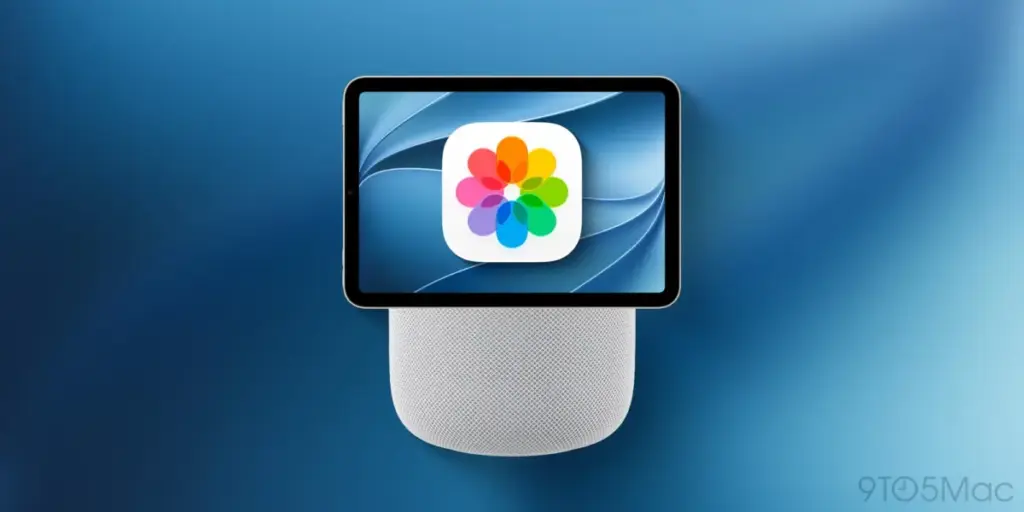
The "HomeView" branding appears designed to sit naturally alongside Apple’s existing smart home products. While the HomePod has served as the company’s primary entry into the smart speaker market since its debut, the HomeView name suggests a shift toward a visual-first experience. This aligns with long-standing rumors that Apple has been developing a device to compete directly with existing smart displays like the Amazon Echo Show and the Google Nest Hub, though with a distinctively Apple approach to industrial design and software integration.
While the official announcement is expected during the October 13 event, consumers will likely have to wait a few weeks to get their hands on the hardware. Gurman reports that the HomeView is slated for a mid-November release, positioning it as a major centerpiece for the upcoming holiday shopping season. The connection between Apple and the "HomeView" trademark was first identified by MacRumors, adding further weight to the branding shift.
The industrial design of the HomeView is perhaps its most striking feature, drawing heavy inspiration from one of Apple’s most iconic historical products: the iMac G4. The device will reportedly feature a "floating" display mounted on a flexible arm, which is attached to a high-quality speaker base. This design choice is both a nostalgic nod to the company’s past and a functional solution for a modern smart hub. The adjustable nature of the display allows users to tilt and swivel the screen for optimal visibility, whether they are standing in a kitchen or sitting in a living room.
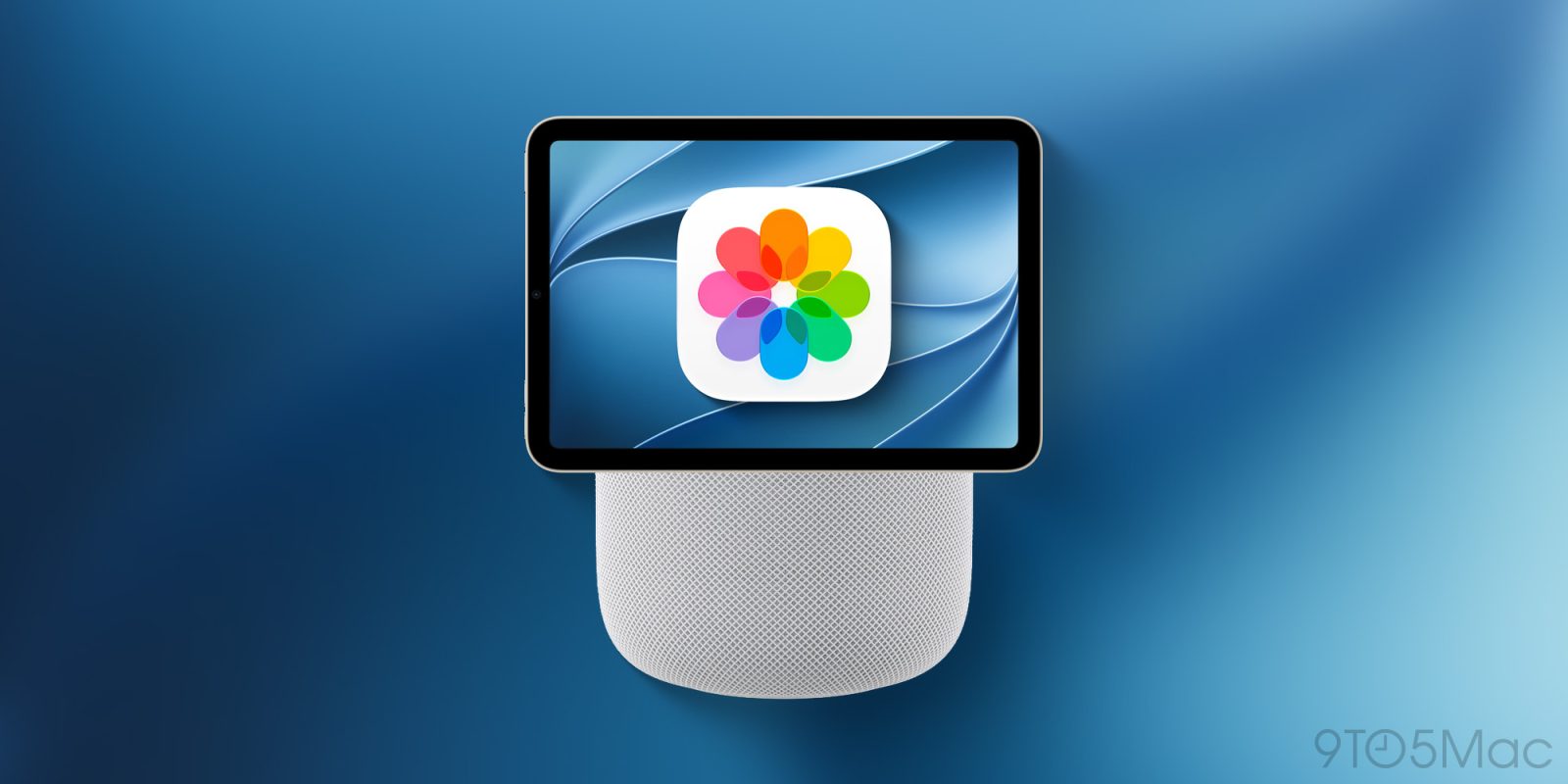
Under the hood, the HomeView will be powered by Apple’s A18 chip. This choice of silicon is significant, as it provides the device with the computational power necessary to handle complex on-device artificial intelligence tasks. Given Apple’s recent focus on "Apple Intelligence," the inclusion of a high-performance chip suggests that the HomeView will be capable of sophisticated voice processing, visual recognition, and seamless multitasking within the home environment.
Apple is expected to offer the HomeView in two distinct form factors to suit different household needs. The primary model features the aforementioned speaker base and is intended for use on tables, countertops, or desks. This version will be available in four color options: space gray, silver, starlight, and pink, allowing it to blend in with various interior design styles.
For users who prefer a more integrated look, Apple is also preparing a wall-mountable version of the device. This model replaces the rounded speaker base with a square, low-profile base designed to sit flush against a wall. To maintain a professional and minimalist aesthetic for permanent installations, the wall-mounted version will only be offered in monochrome silver and space gray. This dual-model approach suggests Apple is targeting both the casual consumer looking for a kitchen companion and the high-end smart home enthusiast who wants integrated control panels throughout their residence.
The user experience of the HomeView is centered on voice interaction and a reimagined version of Siri. While the device features a screen, Apple is reportedly emphasizing a "voice-first" philosophy. The centerpiece of the interface is Siri AI, which has been optimized for the "Welcome home" experience. The concept of "viewing" content from across the room is a key part of the product’s identity. Rather than requiring users to be within arm’s reach to interact with a touchscreen, the HomeView is designed to present information—such as weather updates, calendar alerts, or smart home statuses—in a way that is legible from a distance.

Interestingly, the HomeView will not launch with a dedicated App Store. Instead, it will run a specialized suite of Apple’s own applications designed specifically for the home. To bridge the gap for third-party services, Apple is reportedly implementing a feature that allows users to "project" widgets from third-party apps installed on a nearby iPhone. This approach keeps the HomeView’s operating system lightweight and focused on core home functions while still providing access to the broader ecosystem of iOS apps when needed.
The introduction of the HomeView is part of a much larger "Smart Home Initiative" that Apple intends to showcase. The company has long been criticized for its relatively slow pace in the smart home sector compared to its rivals, but the October 13 event signals a more aggressive stance. As part of this initiative, Apple has formed strategic partnerships with major appliance and accessory manufacturers to ensure a more cohesive user experience.
One of the most notable collaborations is with LG. Apple has worked with LG and other industry leaders to prepare a range of smart home accessories that are optimized for the HomeView and the broader Apple ecosystem. These accessories include smart thermostats, door locks, and doorbells. By partnering with established hardware makers, Apple aims to ensure that its "Welcome home" experience extends beyond its own devices, creating a unified network where third-party hardware works as seamlessly as Apple’s own products.
In addition to the HomeView, the October 13 event is expected to feature hardware refreshes for Apple’s existing home lineup. The Apple TV set-top box is slated for an update, likely focusing on improved processing power and deeper integration with the new smart home features. The HomePod mini, which has remained a popular entry point for Siri users, is also expected to receive a refresh. These updates suggest that Apple is not just launching a new product, but is instead recalibrating its entire home hardware strategy to revolve around the new HomeView hub.

The move to a screen-based hub is a logical progression for Apple’s HomeKit platform. While the Home app on iPhone and iPad provides robust control over smart devices, a dedicated, stationary hub provides a more accessible point of control for all members of a household. By combining high-end audio, a flexible display, and advanced AI, Apple is positioning the HomeView as the definitive "brain" of the modern home.
The mid-November release timing is also strategic. By announcing the device in mid-October and shipping it a month later, Apple can build significant anticipation while ensuring that units are available for the peak of the holiday season. The inclusion of various color options and the two different mounting styles further suggests that Apple views the HomeView as a lifestyle product that can appeal to a wide demographic, from tech enthusiasts to design-conscious homeowners.
As the Tuesday event approaches, the industry is watching closely to see how Apple justifies its entry into an already crowded market. The combination of the A18 chip, the nostalgic iMac G4-inspired design, and a refined, Siri-centric software experience represents Apple’s most serious attempt yet to claim the center of the smart home.
With the HomeView, Apple appears to be betting that a premium, well-designed hub can succeed where others have struggled by focusing on privacy, ease of use, and deep integration with the devices people already carry in their pockets. The "Welcome home" event promises to be a major turning point for the company’s services and hardware divisions alike. Full coverage of the announcements will follow as Apple officially unveils its vision for the future of domestic technology on Tuesday.
 Smart Home & IoT Solutions
Apple Reportedly Developing Integrated Home Security and Monitoring Service for 2027 Launch
Apple is preparing to significantly escalate its presence in the smart home...
 Smart Home & IoT Solutions
Apple and LG Partner on Major Smart Home Expansion Featuring Cameras, Locks, and Thermostats
Apple is preparing a significant escalation in its ambitions for the connected...
 Smart Home & IoT Solutions
Schlage Set to Launch Sense Pro Smart Deadbolt with Ultra Wideband Support for Apple Home Users
The landscape of the smart home security market is poised for a...







