
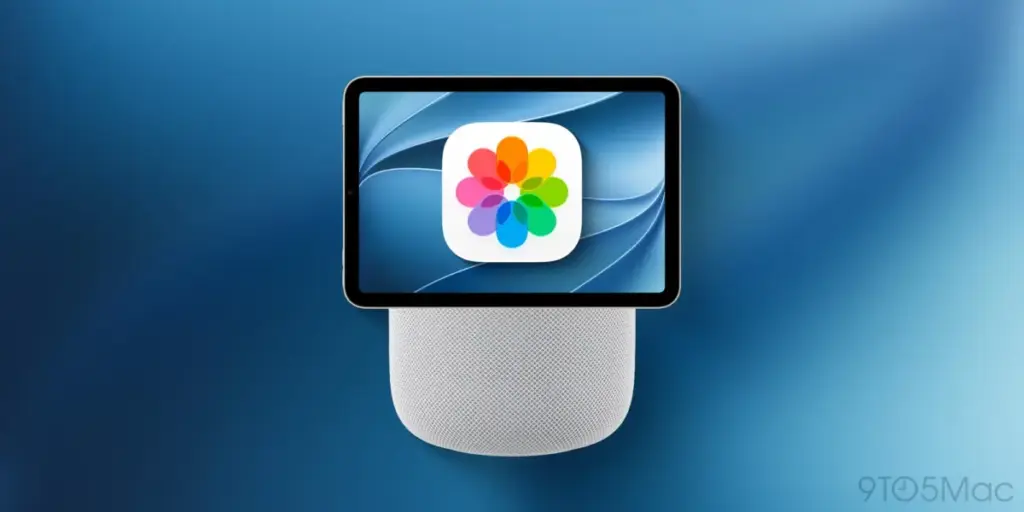
For users who prefer a more integrated look, Apple is also preparing a wall-mountable version of the device. This model replaces the rounded speaker base with a square, low-profile base designed to sit flush against a wall. To maintain a professional and minimalist aesthetic for permanent installations, the wall-mounted version will only be offered in monochrome silver and space gray. This dual-model approach suggests Apple is targeting both the casual consumer looking for a kitchen companion and the high-end smart home enthusiast who wants integrated control panels throughout their residence.
The user experience of the HomeView is centered on voice interaction and a reimagined version of Siri. While the device features a screen, Apple is reportedly emphasizing a "voice-first" philosophy. The centerpiece of the interface is Siri AI, which has been optimized for the "Welcome home" experience. The concept of "viewing" content from across the room is a key part of the product’s identity. Rather than requiring users to be within arm’s reach to interact with a touchscreen, the HomeView is designed to present information—such as weather updates, calendar alerts, or smart home statuses—in a way that is legible from a distance.

Interestingly, the HomeView will not launch with a dedicated App Store. Instead, it will run a specialized suite of Apple’s own applications designed specifically for the home. To bridge the gap for third-party services, Apple is reportedly implementing a feature that allows users to "project" widgets from third-party apps installed on a nearby iPhone. This approach keeps the HomeView’s operating system lightweight and focused on core home functions while still providing access to the broader ecosystem of iOS apps when needed.
The introduction of the HomeView is part of a much larger "Smart Home Initiative" that Apple intends to showcase. The company has long been criticized for its relatively slow pace in the smart home sector compared to its rivals, but the October 13 event signals a more aggressive stance. As part of this initiative, Apple has formed strategic partnerships with major appliance and accessory manufacturers to ensure a more cohesive user experience.
One of the most notable collaborations is with LG. Apple has worked with LG and other industry leaders to prepare a range of smart home accessories that are optimized for the HomeView and the broader Apple ecosystem. These accessories include smart thermostats, door locks, and doorbells. By partnering with established hardware makers, Apple aims to ensure that its "Welcome home" experience extends beyond its own devices, creating a unified network where third-party hardware works as seamlessly as Apple’s own products.
 Smart Home & IoT Solutions
Report: Apple ‘HomeView’ smart home hub will ship in November, come in four colors, A18 chip
The HomeView is expected to be the centerpiece of a major hardware...
 Smart Home & IoT Solutions
Abode Expands Apple Home Ecosystem with New Ruggedized Garage and Outdoor Security Sensors
The landscape of DIY home security continues to evolve as homeowners move...
 Smart Home & IoT Solutions
Apple and LG’s Upcoming Smart Home Accessories to Feature Exclusive Dynamic Island Proximity Controls
As Apple prepares for its highly anticipated "Welcome home" special event scheduled...







