

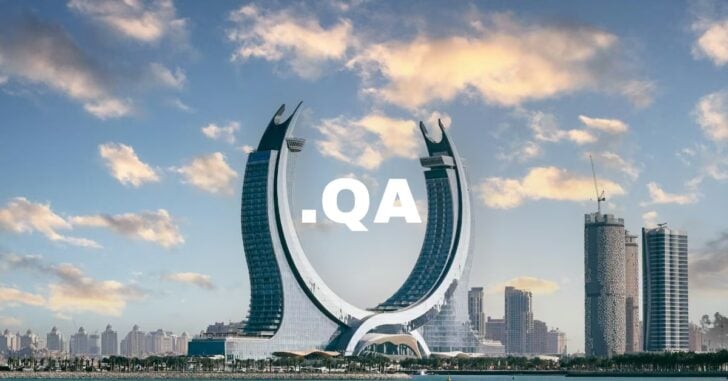
The landscape of the Qatari digital space is undergoing a significant transformation as the registry for .qa, the country-code top-level domain (ccTLD) for Qatar, prepares to implement a series of stringent new registration restrictions. These changes, which represent a departure from years of open registration policies, are set to take effect on October 22, 2024. For international domain investors, businesses operating outside the Gulf region, and current registrants of .qa names, the update marks a critical turning point that could jeopardize existing digital assets and fundamentally alter how the extension is used on the global stage.
Historically, the .qa domain has been relatively accessible to the international community. Unlike many other country-code extensions that require a local presence or specific administrative contact within the borders of the nation, the second-level .qa space was largely unrestricted. This openness allowed anyone, regardless of their physical location or legal status in Qatar, to register a domain for personal use, branding, or investment. However, this era of liberal registration is coming to a close as the registry moves toward a model that prioritizes local identification and verified presence.
The upcoming changes were not initially broadcast through a major public campaign by the primary registry. In fact, the official registry website has continued to host registration agreements that are over a decade old, leaving a vacuum of information for the public. The details of the new policy have instead come to light through communications from QHost, an accredited registrar based in Qatar. According to these updates, the registry is preparing to migrate its backend platforms, and with this technical transition comes a total overhaul of the eligibility criteria for second-level .qa domains.
Under the new regulatory framework, the requirements for securing or maintaining a .qa domain will become significantly more demanding. Registrants will no longer be able to simply provide an email address and payment method to secure a name. Instead, the registry will require specific forms of identification that link the registrant directly to the State of Qatar. For individual registrants, this will likely mean providing a Qatar ID (QID), a residency permit issued to citizens and expatriate residents. For corporate entities, the requirements are even more rigorous, involving the submission of a Commercial Registration (CR) certificate, which is the legal document required to operate a business within the country.
In addition to these identification documents, the new policy mandates that registrants provide a local address and a local telephone number within Qatar. These "stringent requirements" effectively shut the door on the casual international registrant who does not have a physical or legal footprint in the country. While QHost has noted that there remains some ambiguity regarding whether international companies can bypass these local presence requirements by using a registered trademark, the path for foreign businesses remains uncertain. Even if a trademark provides a valid pathway for registration, the documentation process is expected to be far more cumbersome than the previous system.
For the domain investment community, the new policy contains a particularly restrictive clause that could render many current portfolios worthless. The updated registration guidelines explicitly forbid the selling, renting, or leasing of a second-level .qa domain. This is a direct blow to "domainers" who acquire names with the intent of reselling them on the secondary market or leasing them to startups and established brands. By prohibiting the transfer of domains for profit or commercial gain between third parties, the Qatari registry is effectively removing the .qa extension from the global speculative market. This move aligns with a broader trend in some national registries to view their ccTLD as a public resource for citizens rather than a commodity for international trade.
The impact of these changes is not limited to new registrations; existing domain holders are also at risk. The registry has indicated that any significant modification to an existing domain registration will trigger an eligibility check under the new rules. If a current owner cannot meet the new criteria—such as providing a Qatar ID or a local business license—they may find themselves unable to maintain their domain. This "grandfathering" of old domains is therefore precarious, as the domains are only safe as long as they remain untouched and do not require administrative updates.
One of the most critical technical "tripwires" identified in the new policy involves the management of nameservers. In the world of domain management, nameservers are the pointers that tell the internet where to find the website and email services associated with a domain. Many registrants frequently update their nameservers when moving to a new hosting provider or shifting their site to a different platform. Under the new Qatari policy, changing the nameservers on a .qa domain will be viewed as a material change to the registration, thereby triggering a manual or automated validation of the registrant’s eligibility.
For those who currently hold .qa domains but do not meet the new residency or business requirements, the advice from industry experts is clear: any necessary nameserver changes should be completed immediately, before the new policy takes effect. Interestingly, the registry’s validation process is expected to focus on the nameserver records themselves, which are visible at the registry level. Technical changes that occur "downstream," such as updating A records or CNAME records within an existing DNS zone, are unlikely to trigger a validation check because those changes are managed by the DNS provider rather than the registry. Consequently, users who have their nameservers set to a flexible DNS provider may still be able to point their domain to different servers in the future, provided they do not touch the nameserver settings at the registrar level.
The timing of this policy shift is tied to a major backend migration. At 12:00 AM Qatar time (GMT +3) on October 22, the registry will transition to its new platform. This migration serves as the "hard" deadline for all administrative changes. Once the new system is live, the registry’s automated checks and the new legal framework will be the standard for all transactions. This leaves a very narrow window for international owners to audit their portfolios and ensure that their domains are configured for long-term stability.
The move by Qatar follows a pattern seen in other jurisdictions where national governments seek to exert more control over their digital borders. By requiring local identification, the State of Qatar can ensure that its national domain extension is used primarily by those with a vested interest in the country’s economy and culture. It also provides the government with greater oversight and a clearer line of accountability for the content and services hosted under the .qa banner. However, the trade-off is a likely reduction in the total number of .qa registrations and a diminished presence of the extension in the international corporate world.
As the October 22 deadline approaches, the urgency for action cannot be overstated. Domain owners who rely on .qa for their business or personal branding must evaluate whether they can satisfy the upcoming residency and documentation demands. For those who cannot, the only strategy to retain their digital property is to lock in their technical configurations now and avoid any actions that would invite the registry’s scrutiny.
The shift in Qatar’s domain policy serves as a reminder of the inherent risks involved in using country-code top-level domains. Unlike generic extensions like .com or .net, which are governed by international consensus and relatively stable policies, ccTLDs are subject to the sovereign whims and changing legal landscapes of their respective nations. For .qa, the transition from a global, open extension to a restricted, localized one is nearly complete, and the window for international participants to react is rapidly closing.
 Web Hosting & Domain Management
WIPO Panel Finds Danish Green Energy Firm Guilty of Reverse Domain Name Hijacking Over windspace.com
In a significant rebuke of what is often referred to in the...
 Web Hosting & Domain Management
Taylor Swift Secures Digital Real Estate with Application for Personal Top-Level Domain
The digital landscape is preparing for a significant transformation as one of...
 Web Hosting & Domain Management
Taylor Swift Secures Digital Frontier with Application for Proprietary .taylorswift Top-Level Domain
The landscape of the internet is poised for a significant transformation as...







