
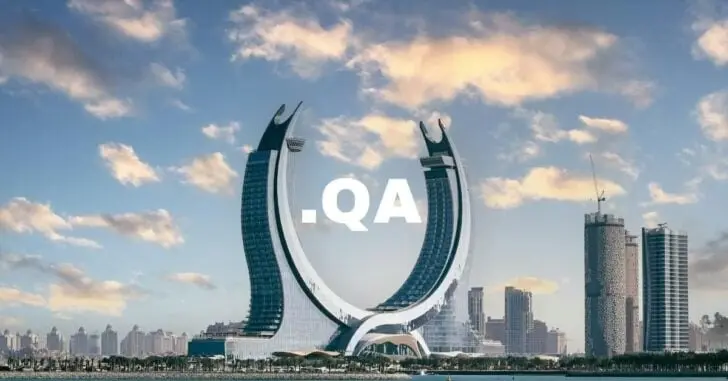
The timing of this policy shift is tied to a major backend migration. At 12:00 AM Qatar time (GMT +3) on October 22, the registry will transition to its new platform. This migration serves as the "hard" deadline for all administrative changes. Once the new system is live, the registry’s automated checks and the new legal framework will be the standard for all transactions. This leaves a very narrow window for international owners to audit their portfolios and ensure that their domains are configured for long-term stability.
The move by Qatar follows a pattern seen in other jurisdictions where national governments seek to exert more control over their digital borders. By requiring local identification, the State of Qatar can ensure that its national domain extension is used primarily by those with a vested interest in the country’s economy and culture. It also provides the government with greater oversight and a clearer line of accountability for the content and services hosted under the .qa banner. However, the trade-off is a likely reduction in the total number of .qa registrations and a diminished presence of the extension in the international corporate world.
As the October 22 deadline approaches, the urgency for action cannot be overstated. Domain owners who rely on .qa for their business or personal branding must evaluate whether they can satisfy the upcoming residency and documentation demands. For those who cannot, the only strategy to retain their digital property is to lock in their technical configurations now and avoid any actions that would invite the registry’s scrutiny.
The shift in Qatar’s domain policy serves as a reminder of the inherent risks involved in using country-code top-level domains. Unlike generic extensions like .com or .net, which are governed by international consensus and relatively stable policies, ccTLDs are subject to the sovereign whims and changing legal landscapes of their respective nations. For .qa, the transition from a global, open extension to a restricted, localized one is nearly complete, and the window for international participants to react is rapidly closing.
 Web Hosting & Domain Management
Identity Digital launches “domain options” for domain investors
The first partner to facilitate these options is Deqo, a newly developed...
 Web Hosting & Domain Management
Germany’s .de domain name turns 40
The journey of .de is a reflection of the internet’s own evolution...
 Web Hosting & Domain Management
Legal Battle Erupts Over .easy Top-Level Domain as Link Freedom Group Sues easyGroup and Appeals to ICANN
The high-stakes competition for the next generation of internet real estate has...







