
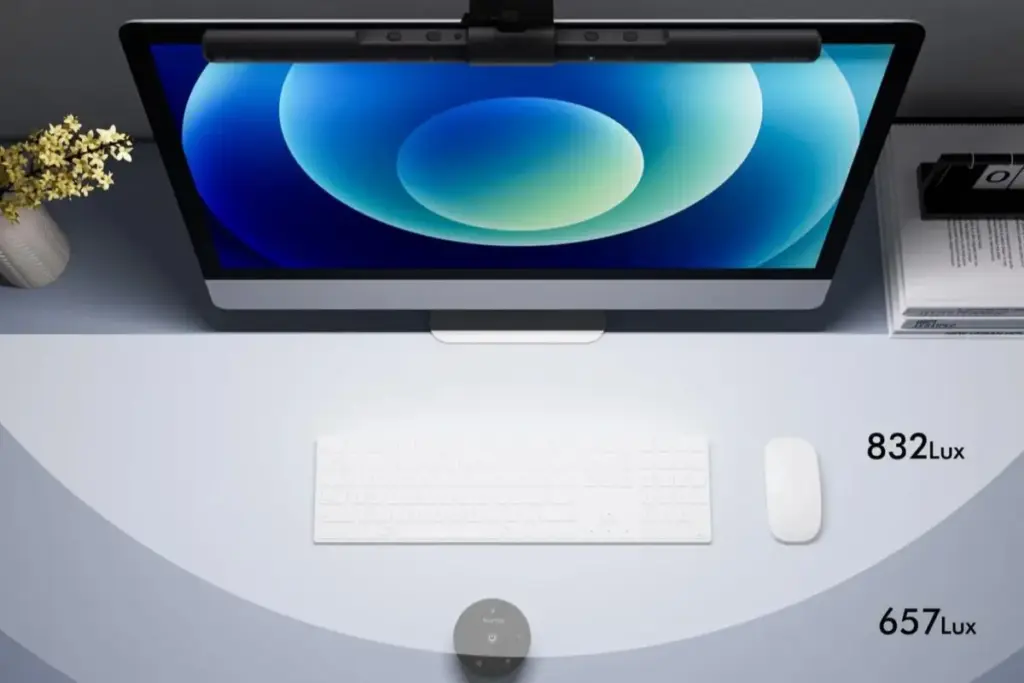
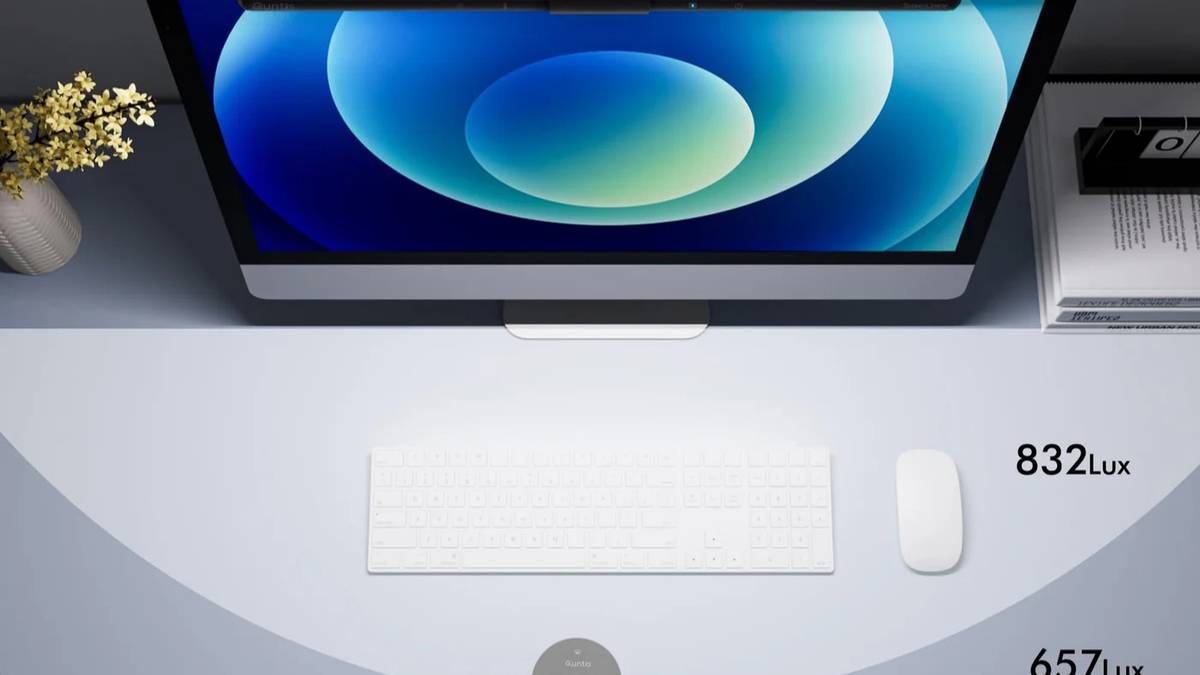
This automation is particularly beneficial for users who work through the transition from daylight to dusk. As natural light fades, the sensor detects the drop in lux levels and gradually increases the bar’s intensity, ensuring that the user is never left squinting in the dark or blinded by a light that is suddenly too bright for the evening hours. This "set it and forget it" approach allows professionals to remain focused on their tasks without the distraction of manual hardware adjustments.
Customization remains a core component of the user experience, however. The device offers a wide range of color temperature adjustments, spanning from 3000K to 6500K. This range is vital for aligning the workspace with the body’s natural circadian rhythms. During the core hours of the workday, users can select a crisp, "cool" white light (6500K) that mimics daylight, which is known to enhance alertness and focus. Conversely, as the evening progresses, switching to a "warm" amber glow (3000K) can help reduce the suppression of melatonin, making it easier for the user to wind down and transition to sleep after finishing their work.
High Color Fidelity for Creative Professionals
For many users, the quality of light is just as important as the quantity. The Quntis Light Bar boasts a Color Rendering Index (CRI) of Ra98. In the world of lighting technology, CRI is a quantitative measure of a light source’s ability to reveal the colors of various objects faithfully in comparison with a natural light source. With a maximum score of 100, a rating of Ra98 is exceptionally high, particularly for a device in this price bracket.
This high CRI ensures that colors on the desk—whether they are in a physical photograph, a textile sample, or a printed document—appear vivid and accurate. While this is a luxury for the average office worker, it is a necessity for graphic designers, video editors, and photographers who may need to reference physical materials while working on their digital canvases. Even for the casual user, high-CRI lighting provides a more "natural" feeling to the workspace, reducing the sterile, artificial atmosphere often associated with cheap LED office lighting.
Ergonomic Design and Seamless Integration
The physical architecture of the Quntis Light Bar is designed for minimalism and stability. Space is often at a premium on modern desks, which are frequently crowded with oversized mousepads, external speakers, and multiple input devices. A traditional desk lamp requires a base that occupies valuable "real estate" on the desk surface. The Quntis bar, however, utilizes a weighted clip system that allows it to rest securely on top of the monitor. This "zero-footprint" design frees up the desk for other essentials while keeping the light source at the optimal height.
 Tech Tutorials & How-To Guides
The End of the Shutdown Era: Why Powering Down Your PC Every Night Is No Longer Necessary
For those who grew up navigating the digital landscape of the 1990s,...
 Tech Tutorials & How-To Guides
The Evolution of the Pocket: How 3D Printing Refined the Search for the Perfect Everyday Carry
For many, the morning ritual is a simple, three-point checklist: phone, wallet,...
 Tech Tutorials & How-To Guides
The Profanity Protocol: How One Engineer Used AI and Smart Home Tech to Break a Sedentary Habit
For many remote workers, the transition from a traditional office to a...







