
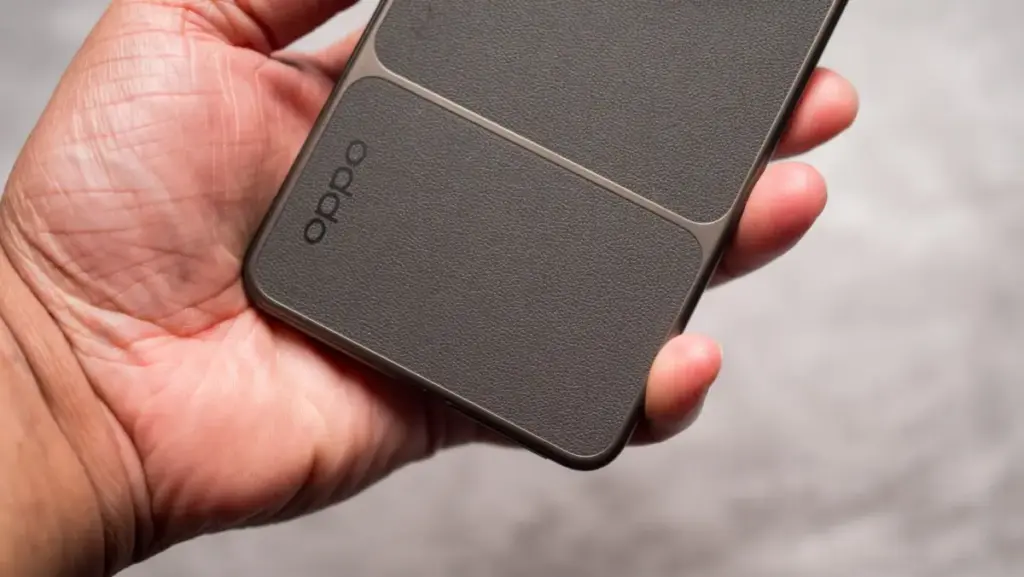
The move to a 2nm process is particularly significant for a device like the Find X10 Ultra. As smartphone cameras become more complex, they generate significant heat and consume substantial power. The increased transistor density of a 2nm chip allows for greater performance with lower power consumption, potentially solving the thermal throttling issues that often plague high-end devices during extended 8K video recording or intensive gaming sessions.
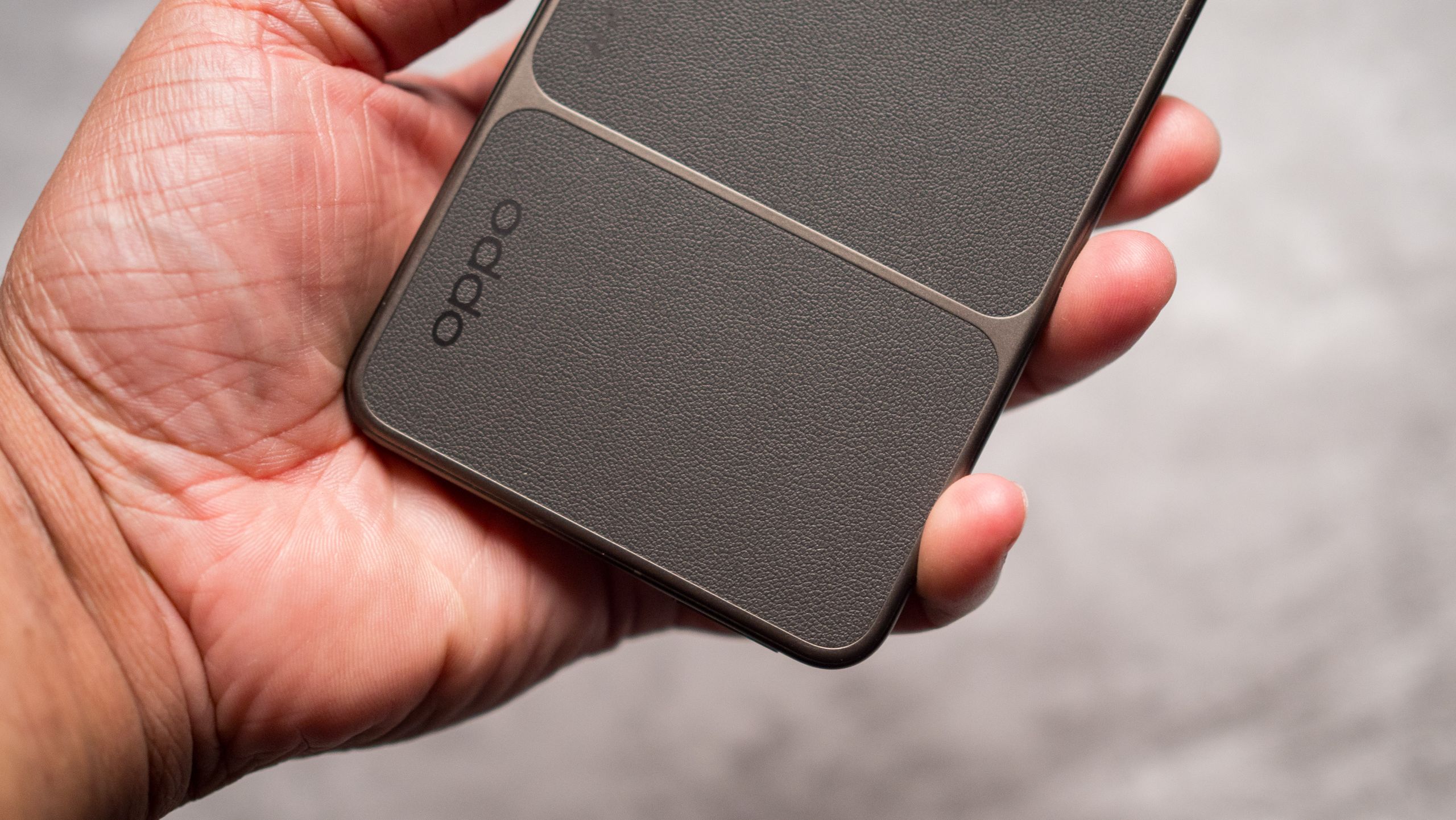
However, the "Ultra" moniker is truly earned through its camera system, and the leaked specifications for the Find X10 Ultra suggest a device that aims to redefine mobile photography. At the heart of the rumored setup is a 200MP main camera utilizing a massive 1/1.12-inch sensor. While sensor size is a critical factor in light gathering, the inclusion of Lateral Overflow Integration Capacitor (LOFIC) technology is what sets this sensor apart. LOFIC is a sophisticated sensor architecture designed to dramatically expand dynamic range. In traditional sensors, bright areas of an image can quickly "clip," resulting in lost detail in the highlights. LOFIC technology allows the sensor to handle a much higher volume of charge, preventing this clipping and allowing for rich detail in both the brightest highlights and the deepest shadows of a single exposure.
Beyond the primary sensor, the Find X10 Ultra is expected to feature a versatile array of auxiliary lenses. Leaks point toward a second 200MP periscope telephoto camera, which would likely provide unprecedented clarity at mid-range zoom levels. This is reportedly complemented by a 50MP periscope lens dedicated to 10x optical zoom, catering to users who require extreme reach for wildlife or architectural photography. Even the front-facing camera is seeing a massive upgrade, with rumors suggesting a 100MP sensor designed to bring "Ultra" levels of detail to selfies and video calls.
If OPPO ultimately decides to proceed with the MediaTek Dimensity 9600 Pro for the Find X10 Ultra, it would create an interesting dynamic within its own product lineup. With the Find X10 Pro Max already confirmed to use the same SoC, the burden of differentiation would fall squarely on the Ultra’s camera hardware. The Ultra would need to justify its higher price point through its superior optics, the LOFIC technology, and the more advanced periscope zoom system, rather than relying on a more powerful processor to set it apart from the Pro Max.
 Mobile Device Management (MDM) & Mobile OS
T-Mobile Rejects Deeper SpaceX Partnership, Citing Satellite’s Limitations and Strategic Misalignment
In the rapidly evolving landscape of global telecommunications, the intersection of terrestrial...
 Mobile Device Management (MDM) & Mobile OS
Enhancing the Mobile Experience: The Essential Role of Affordable Audio Accessories in the Smartphone Era
The modern smartphone has undergone a radical transformation over the last decade,...
 Mobile Device Management (MDM) & Mobile OS
Amazon Rebrands Kindle Unlimited to Kindle Plus, Integrating AI-Narrated Audiobooks into Expanded Subscription
In a significant move to modernize its digital reading ecosystem, Amazon has...







