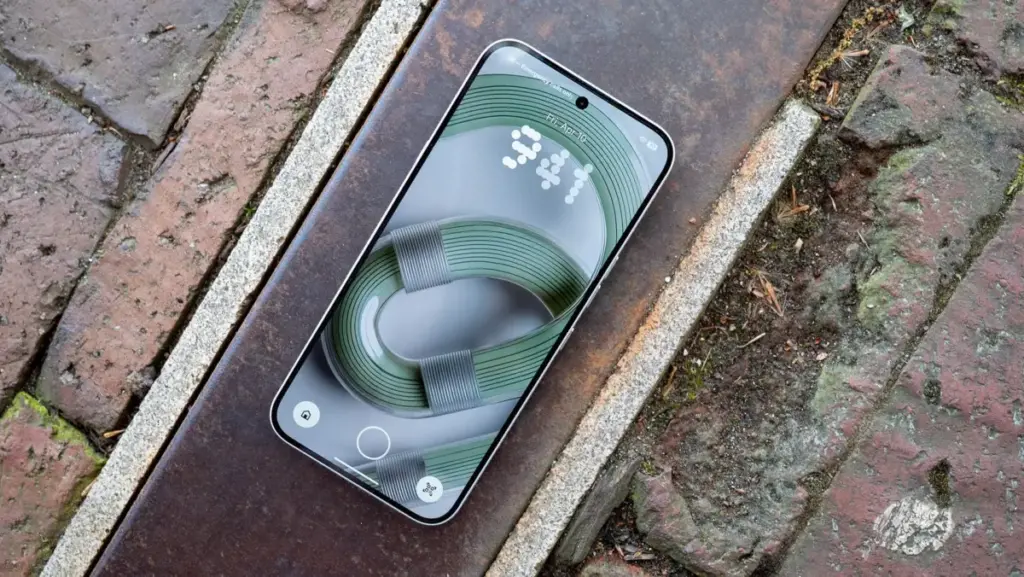
The London-based tech disruptor Nothing has officially commenced the next phase of its software evolution, marking a significant milestone for its mid-range and standard smartphone tiers. Following the successful deployment of Nothing OS 5.0 to its flagship Phone 3 earlier this month, the company has announced that the Android 17-based update is now making its way to the Nothing Phone 3a and Phone 4a series. This latest software push underscores the company’s commitment to maintaining a unified user experience across its hardware portfolio, ensuring that even its more accessible devices benefit from the latest architectural improvements and aesthetic refinements found in the Android 17 ecosystem.
The announcement came via a series of detailed posts on the Nothing Community forum, a hub where the brand’s most dedicated users often congregate to discuss early builds and feature requests. According to the company, the transition to Nothing OS 5.0 is not merely a version jump but a comprehensive overhaul of the system’s visual identity and functional capabilities. However, as is standard with major OS deployments, Nothing has cautioned users that this is a "staggered" rollout. This phased approach is designed to monitor system stability across different regions and carrier configurations, meaning that while some users may see the notification immediately, others—including those who participated in the preceding beta programs—may have to wait a few days for the update to reach their specific handsets.
A New Era for Mobile Photography and Videography
One of the primary focal points of the Nothing OS 5.0 update is a significant investment in the camera experience. While the hardware remains the same, the software processing and user interface have undergone a radical transformation to better compete with the heavyweights of the mobile industry. For owners of the Nothing Phone 3a series, the update introduces a suite of sophisticated video creation tools. The patch notes highlight the inclusion of "Enhanced video creation," which now supports a variety of real-time filters and fine-tuned adjustments.
A standout addition for the 3a series is the "Dual-view Video" mode. This feature allows creators to record footage using both the front-facing selfie camera and the primary rear sensor simultaneously. In an era where short-form video content on platforms like TikTok and Instagram Reels dominates social media, this tool is positioned as an essential utility for vloggers and casual users alike who wish to capture their reactions alongside the events unfolding in front of them. Furthermore, the Phone 3a’s camera software now includes seven distinct adjustable effects, providing a level of granular control over the "look" of a photo that was previously reserved for third-party editing suites. A new "reset" option has also been integrated into the tuning menu, allowing users to experiment freely with these effects without fear of permanently losing the original balance of the shot.
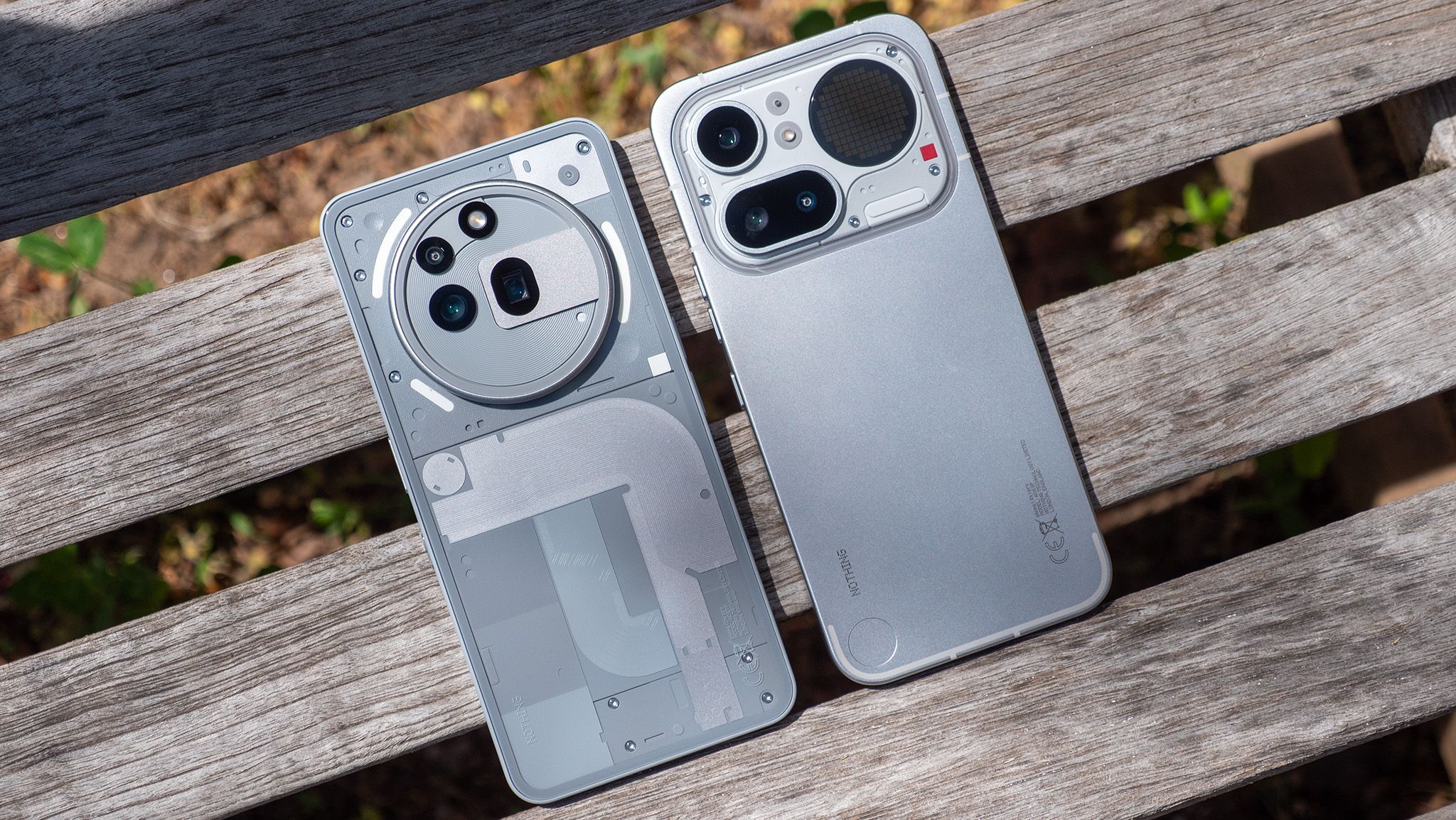
The Nothing Phone 4a series also sees substantial benefits from this update. Like its 3a counterpart, the Phone 4a can now utilize the Dual-view Video functionality. This parity between the series suggests that Nothing is keen on standardizing its creative toolset regardless of the specific price point of the device. Beyond the new shooting modes, both the 3a and 4a series have been granted a refreshed camera user interface. This redesign focuses on ergonomics and visual feedback; the controls have been repositioned for easier one-handed use, and the animations for switching between modes or zooming have been smoothed out to provide a more premium, tactile feel.
Refined Performance and the Geist Aesthetic
Beyond the lens, Nothing OS 5.0 is defined by its pursuit of "functional minimalism." A centerpiece of this philosophy is the introduction of the Geist typeface. Replacing the previous system fonts, Geist is described by Nothing’s design team as being "cleaner and easier to scan." The typeface is integrated throughout the entire operating system, from the lock screen clock to the deep settings menus, providing a cohesive visual language that aligns with the brand’s industrial design. The goal of Geist is to reduce cognitive load, allowing users to absorb information at a glance—a core tenet of Nothing’s mission to make tech "fun" again by reducing the time users spend staring intently at their screens.
The update also brings deeper customization options to the Glyph Interface, the signature array of LED lights on the back of Nothing phones. While the Phone 3a and 4a have different Glyph layouts compared to the flagship Phone 3, the OS 5.0 update provides more nuanced control over how these lights react to notifications and system events. A dedicated Glyph Interface app has been introduced to centralize these settings, making it easier for users to create custom light patterns for specific contacts or apps.
On the productivity front, Nothing’s "Essential AI" suite has received a significant boost. For the Phone 4a and 4a Pro, the Essential Voice feature—which handles real-time transcriptions—has been optimized for lower latency. This means that when a user is recording a lecture, a meeting, or a personal memo, the text appears on the screen almost instantaneously. This reduction in lag is not just a matter of convenience; it represents a more efficient use of the device’s NPU (Neural Processing Unit), which has been retuned under the Android 17 framework to handle AI workloads more effectively.
Smart Collections and the Android 17 Foundation
The intelligence of the OS extends to how it manages data. The "Smart Collections" feature, which originally debuted on the flagship Phone 3, is now being integrated into the 3a and 4a series. This feature uses on-device machine learning to analyze the user’s habits and the content of their files. It can automatically suggest ways to organize apps, photos, and documents, creating a more intuitive file structure without requiring manual input from the user. For example, if the system detects a high volume of travel-related photos and documents, it may suggest a dedicated collection that prioritizes those items during the duration of a trip.

The underlying Android 17 architecture provides the "pipes" that make these features possible. While Nothing adds its own unique skin and philosophy on top, the core benefits of Android 17—such as improved privacy controls, better background task management, and enhanced battery optimization—are all present here. Users can expect more transparent permissions menus and a more robust "Privacy Dashboard" that gives a clear timeline of when apps have accessed the microphone, camera, or location data.
Navigating the Staggered Rollout
As the community threads for the Phone 3a and 4a series continue to grow, the sentiment among Nothing fans remains largely positive, though tempered by the anticipation of the staggered release. Many users who participated in the Nothing OS 5.0 Open Beta have noted that the transition to the stable build has been relatively seamless, with many of the small bugs found in the early October builds having been squashed.
For those who have not yet received the update notification, Nothing recommends checking the system settings manually. By navigating to Settings > System > System Update, users can trigger a manual check against Nothing’s servers. However, the company reiterates that the rollout is being handled in waves to ensure that if a critical, unforeseen bug is discovered, it can be patched before reaching the entire global user base.
The release of Nothing OS 5.0 for the 3a and 4a series marks the completion of a major chapter in Nothing’s software roadmap for the year. By bringing its mid-range and previous-generation devices up to parity with the Phone 3 in terms of core features and AI capabilities, Nothing is positioning itself as a brand that values longevity and software support. As the Geist typeface and the new camera UI become the new standard for Nothing users, the company continues to carve out a distinct identity in a crowded market, proving that software "soul" is just as important as hardware specs.
 Mobile Device Management (MDM) & Mobile OS
Power on the Move: Why High-Wattage Wired Charging is Becoming Essential for Modern Travelers
In the rapidly evolving landscape of mobile technology, the way we power...
 Mobile Device Management (MDM) & Mobile OS
Samsung’s Foray into the Googlebook Era: Leaked Benchmarks Reveal Snapdragon X Elite Power and Android 17 Integration
The landscape of portable computing is undergoing its most significant transformation in...
 Mobile Device Management (MDM) & Mobile OS
Xiaomi Unveils the 18 Pro and 18 Pro Max: A Dual-Screen Powerhouse Aimed at the Global Ultra-Premium Market
Following a notable absence in the international flagship market last year, Xiaomi...