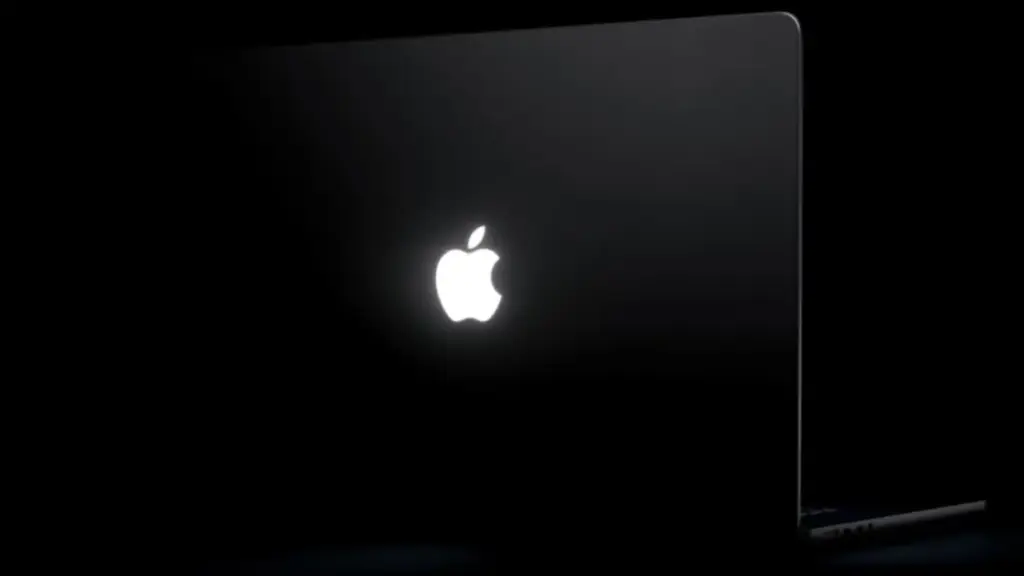
The second Pro feature, "Agents" mode, caters specifically to software engineers and power users integrating artificial intelligence into their development environment. Designed to sync with developer tools such as Claude Code, "Agents" mode repurposes the external illuminated logo as a status indicator light. While Claude Code is actively executing background tasks, writing scripts, or processing complex terminal operations, the Apple logo slowly pulses to signal ongoing activity. Once the process completes or requires human intervention—such as requesting user permission or prompting for a new input—the logo blinks distinctly to alert the user even if their attention is directed elsewhere or their screen is obscured.
In detailing the capabilities of the utility, Buis noted an important physical characteristic of Apple’s underlying hardware implementation. Despite interest from some users regarding potential color-changing effects, Buis confirmed that the glowing logo in the new MacBook Pro models is illuminated strictly by a single-color white LED module. Because the physical light source lacks RGB sub-pixels, software utilities like Backglow are physically restricted to modulating light intensity, pulse rates, timing, and reactive patterns, rather than changing the hue or color spectrum of the emblem.
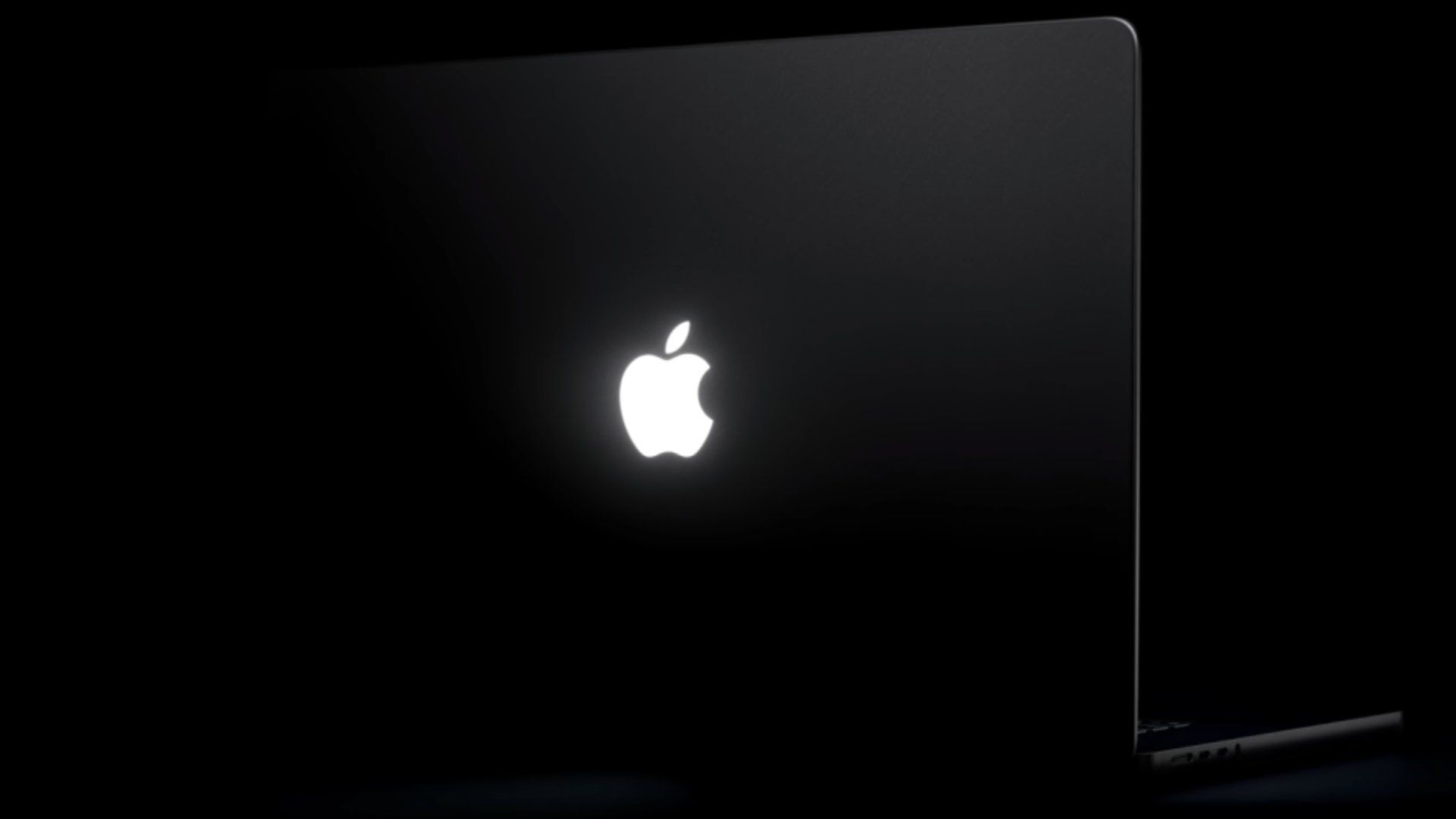
The arrival of software like Backglow highlights the enthusiasm surrounding Apple’s decision to bring back the glowing logo—a design element that carries a rich engineering and aesthetic history within the Mac portfolio.
Apple originally introduced the illuminated Apple logo on the PowerBook G3 in the late 1990s, and it quickly became one of the most recognizable branding hallmarks in modern personal computing. For nearly two decades, the glowing motif served as an iconic presence in coffee shops, conference rooms, classrooms, and creative studios worldwide. However, the technical implementation of the original glowing logo was remarkably low-tech compared to today’s iteration.
On legacy MacBooks, the lid emblem did not possess its own independent bulb or dedicated light circuit. Instead, Apple’s industrial design team placed a translucent plastic cutout of the Apple logo directly into the aluminum lid shell, positioned right behind the laptop’s LCD screen. The high-intensity backlighting system used to illuminate the LCD panel simply bled through the back of the display assembly, illuminating the clear plastic logo passively whenever the screen was turned on.
This passive mechanism was efficient and cost-effective, but it placed strict limitations on laptop construction. When Apple embarked on an aggressive redesign era starting in 2015—beginning with the ultra-thin 12-inch Retina MacBook and subsequently spreading to redesigned MacBook Pro and MacBook Air lineups—the classic glowing logo was systematically phased out.
 macOS & Apple IT Support
Apple Releases HomeView Smart Home Hub: Detailed Look at Hardware, Features, and Setup Nuances
Apple officially released its new HomeView smart home hub on Friday, November...
 macOS & Apple IT Support
Apple Details Workaround for Apple Watch Daylight Saving Time Display Glitch
Apple has officially published a support document addressing a software issue that...
 macOS & Apple IT Support
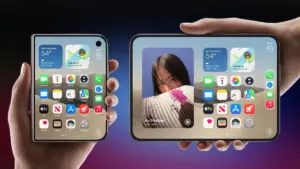
Apple Surveys Early iPhone Duo Owners on Display Size, Crease Visibility, and Under-Display Camera as Post-Launch Feedback Begins
Apple has officially begun issuing detailed email surveys to early purchasers of...