
The streaming landscape in late 2026 continues to be defined by a mix of nostalgia-driven legacy titles and unexpected modern phenomena. As we move through the latter half of November, the Netflix Top 10 in the United States has become a fascinating barometer for audience tastes, proving that while subscribers are always hungry for fresh content, they remain deeply tethered to the comfort of high-concept thrillers. Currently, the charts are being bolstered by a trio of new November releases—Guarding Stars, Steps, and Heartland—all of which have managed to carve out significant real estate in the rankings. However, the true story of the week lies in the enduring power of the thriller genre, represented by three films that span the spectrum from mid-2000s blockbusters to the most discussed cinematic event of the current year.
Leading the charge is a selection of films that highlight different eras of the "prestige thriller." From the intellectual puzzles of the mid-aughts to the high-octane expansion of established franchises, and finally to a low-budget indie that redefined box office expectations in 2026, these titles are currently driving the conversation on social media and within the Netflix algorithm. Senior Editor Dan Girolamo, a veteran entertainment journalist with over a decade of experience interviewing industry titans like James Cameron and Brendan Fraser, notes that this particular mix of star power and viral hype is exactly what keeps Netflix at the forefront of the streaming wars.
The Enduring Mystery of The Da Vinci Code
Coming in at number three on our list of must-watch thrillers is a film that, upon its release in 2006, was nothing short of a cultural lightning rod. The Da Vinci Code arrived at a time when director Ron Howard and leading man Tom Hanks were arguably at the absolute zenith of their collaborative powers. Howard was still riding high from the critical and awards-season success of A Beautiful Mind, while Hanks remained the preeminent box-office draw in Hollywood. When it was announced that they would be adapting Dan Brown’s juggernaut novel—which had already moved over 85 million copies worldwide—the project was instantly cemented as a "can’t-miss" event.
The film follows Robert Langdon (Hanks), a renowned Harvard professor of symbology who finds himself thrust into a lethal web of ancient conspiracies. While in Paris, Langdon is summoned to the Louvre to examine the gruesome and cryptic crime scene left behind by the murdered curator, Jacques Saunière. When a secret message found on the body points directly to Langdon, he is forced into a desperate alliance with Saunière’s granddaughter, the brilliant police cryptographer Sophie Neveu (played by Audrey Tautou). Together, they embark on a high-stakes hunt across Europe, decoding hidden messages embedded in the works of Leonardo da Vinci and uncovering a secret society that has protected a world-shaking truth for centuries: the location of the Holy Grail.
In retrospect, The Da Vinci Code functions as a more cerebral, "nerdier" companion to the globe-trotting adventures of Indiana Jones. Where Jones relies on a whip and a fedora, Langdon relies on an encyclopedic knowledge of history and a shaggy, academic hairstyle that became one of the film’s most discussed aesthetic choices. The movie remains an engaging watch, not just for its puzzles, but for the controversy it stirred. Upon its release, it faced public denouncement from senior Vatican officials who took issue with its fictionalized theological claims. However, viewed through a modern lens, the film stands as a masterclass in the "intellectual thriller" subgenre, prioritizing atmosphere and historical intrigue over mindless action.

Expanding the Universe in The Bourne Legacy
The second thriller capturing audience attention this week is The Bourne Legacy, a film that faced the unenviable task of answering a difficult question: Can a franchise survive without its titular icon? Following the massive success of The Bourne Ultimatum, which was originally intended to conclude the story of Jason Bourne, Universal Pictures found itself at a crossroads. With Matt Damon and director Paul Greengrass opting not to return without each other, the studio turned to Tony Gilroy—the architect of the original trilogy’s scripts—to direct and co-write a new chapter that expanded the world rather than rebooting it.
Instead of a traditional sequel, The Bourne Legacy introduces us to Aaron Cross (Jeremy Renner), a member of Operation Outcome. Unlike the Treadstone agents who preceded him, Outcome agents are enhanced through a regimen of performance-enhancing drugs—referred to as "chems"—that push their physical and mental capabilities to superhuman levels. When the fallout from Jason Bourne’s actions in the previous films threatens to expose all covert government programs, Colonel Eric Byer (Edward Norton) decides that the safest course of action is to "burn" the program entirely. This results in an order to eliminate every agent involved, including Cross.
What follows is a riveting survival adventure that takes the viewer from the frozen wilderness of Alaska to the crowded streets of Manila. Renner, who had recently demonstrated his action chops in Mission: Impossible – Ghost Protocol, brings a different, perhaps more vulnerable energy to the role of a hunted super-soldier. While he never attempts to mimic Damon’s stoicism, Renner’s portrayal of a man literally fighting for the medication he needs to stay "enhanced" adds a unique layer of desperation to the plot. The film successfully proved that the Bourne universe was large enough to sustain stories beyond its original protagonist, blending political cynicism with the high-stakes kinetic energy that fans had come to expect from the brand.

The 2026 Phenomenon: Obsession
Finally, sitting at the top of the list is the film that has defied every conventional rule of Hollywood success: Obsession. It is rare to see a movie become a genuine cultural phenomenon in the mid-2020s, but Curry Barker’s psychological thriller has achieved exactly that. Produced on a shoestring budget of approximately $750,000, the film was acquired by Focus Features at the 2025 Toronto International Film Festival (TIFF) for a staggering $15 million. While that initial investment seemed risky to some, the film’s theatrical run silenced all doubters.
Released in May 2026, Obsession opened to a solid $17.2 million. However, in a feat almost unheard of in the modern era of front-loaded box office returns, the film’s audience grew through word-of-mouth. By its third weekend, it was outperforming its opening, grossing $27.4 million as "Obsession-mania" took hold of the public consciousness. It eventually concluded its theatrical run with a massive $524 million worldwide, a testament to the power of original storytelling and a standout lead performance.
The narrative centers on Bear (Michael Johnston), a shy, unassuming young man harboring a deep crush on his co-worker, Nikki (Inde Navarrette). Paralyzed by his inability to express his feelings, Bear turns to a local legend: the One Wish Willow. He makes a wish for Nikki to love him more than anyone else in the world. To his shock, the wish is granted. Nikki falls for him with an intensity that is initially intoxicating, but the dream quickly curdles into a nightmare. Nikki’s love transforms into a terrifying, all-consuming obsession, forcing Bear to navigate a dangerous psychological minefield as he realizes the horrific cost of his supernatural shortcut.
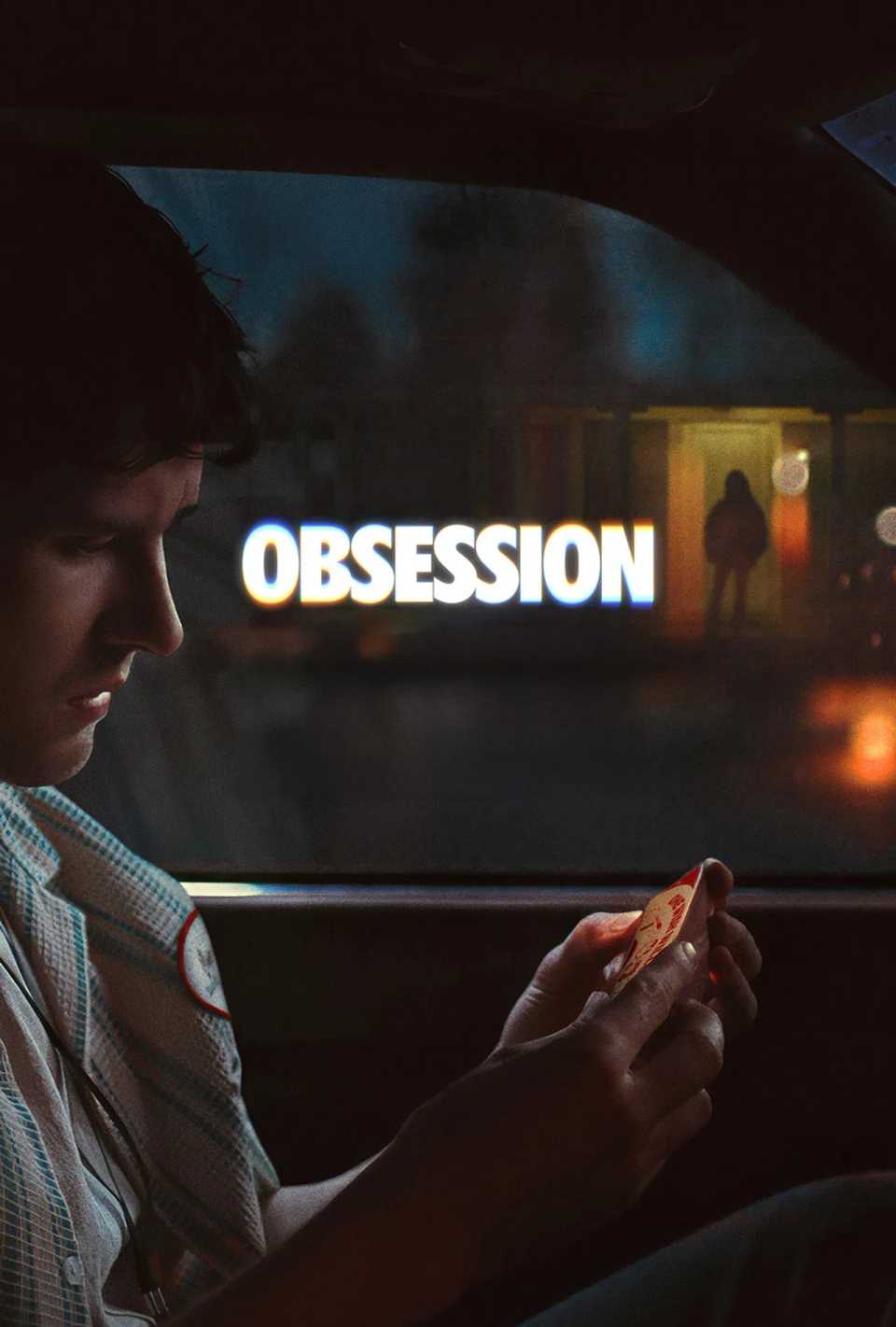
The heart of the movie’s success is Inde Navarrette’s performance. Critics have hailed it as a "star-is-born" moment, with many predicting an Oscar nomination for her chilling yet deeply human portrayal of a woman whose emotions have been artificially amplified to a breaking point. For director Curry Barker, Obsession serves as a calling card that has made him one of the most sought-after filmmakers in the industry. Its success offers a glimmer of hope for the future of mid-budget cinema, proving that audiences will show up—and keep showing up—for a story that truly captures the zeitgeist.
Beyond the Thriller Genre
While these three thrillers are currently dominating the conversation, Netflix subscribers looking for a change of pace have several other high-quality options to explore. In the documentary sector, Primetime Preacher$ has become a must-watch. The film provides an eye-opening and often unsettling look at the televangelism boom of the 1980s, exploring the intersection of faith, greed, and the burgeoning power of cable television.
For those willing to venture outside the Netflix ecosystem, HBO Max has released Tony, a poignant and meticulously researched chronicle of the early career of the late Anthony Bourdain. The film focuses on his formative years in the kitchens of New York City, long before he became a global icon of travel and culinary exploration. Whether you are in the mood for the heart-pounding tension of a thriller or the reflective depth of a documentary, the current streaming landscape offers a wealth of options for every type of viewer.
 Tech Tutorials & How-To Guides
Fanttik B11 Pro Max Electric Air Duster Sees Significant Price Drop to $59.99 on Amazon
For tech enthusiasts, PC builders, and office workers alike, the battle against...
 Tech Tutorials & How-To Guides
The High-Stakes Game of Liquid Metal Cooling: Is the Performance Boost Worth the Risk?
In the relentless pursuit of peak performance, the PC overclocking community has...
 Tech Tutorials & How-To Guides
DEWALT 20V MAX Brushless 3-Tool Combo Kit Hits Record Low $130 Price Point on Amazon
The financial burden of equipping a home workshop or preparing for a...







