

Remembering That Hardware Still Matters
The term "software-defined" can sometimes lead to the misconception that hardware is an afterthought. In reality, the physical layer remains the engine that drives the software. While SDS removes the need for proprietary, vendor-locked hardware, the quality and specifications of the commodity hardware used are still paramount.
A high-performance SDS solution will struggle on underpowered servers or slow networking gear. Organizations must pay close attention to compatibility lists and performance benchmarks. Furthermore, the SDS infrastructure should offer a "menu" of services—ranging from high-performance flash-based tiers to high-capacity archive tiers—allowing users to match their specific application workloads to the appropriate hardware resources.
Proactive Capacity Planning
The scalability of SDS is one of its most attractive features, but it requires diligent oversight. Both the infrastructure providers and the internal "tenants" using the storage must engage in ongoing capacity planning. This isn’t just about disk space; it involves ensuring there is sufficient CPU, memory, and I/O networking connectivity to support the storage software.
SDS only functions optimally when it has adequate resources to perform its automated tasks. Good capacity planning ensures that the organization stays ahead of the growth curve, maintaining service level agreements (SLAs) even as data volumes expand. Without this foresight, the very flexibility that makes SDS appealing can lead to resource exhaustion and performance degradation.
Monitoring Performance at the User Level
To maintain a healthy SDS environment, performance monitoring must be proactive and user-centric. Rather than just watching hardware health lights, administrators should monitor performance from the perspective of the end-user. This approach allows the IT team to identify and resolve latency issues or throughput drops before they result in a flood of help desk tickets.
Implementing robust crash reporting and real-time telemetry is also essential. In a software-defined environment, detecting a "bad deployment" or a buggy software update early can prevent widespread outages. Observability is the cornerstone of maintaining the high availability that SDS is designed to provide.
Investing in Post-Sales Support
The decoupled nature of SDS can create a "blame game" when technical issues arise. If a storage volume goes offline, is the problem in the software, the server hardware, or the network switch? To avoid being caught between multiple vendors pointing fingers at one another, organizations should prioritize post-sales support during the procurement process.
It is often beneficial to work with vendors who offer comprehensive support or to establish clear "lead" responsibility in a multi-vendor environment. Ensuring that IT has a clear, rapid path to resolution is critical, as the layers of abstraction in SDS can sometimes make it difficult to pinpoint the exact root cause of a failure.
Securing Success Through Best Practices
The transition to software-defined storage represents a significant opportunity for enterprises to modernize their data management, achieve massive scalability, and reduce their reliance on expensive, proprietary hardware. However, the benefits of SDS—flexibility, automation, and cost-efficiency—are only realized when the transition is managed with discipline and strategic foresight.
By focusing on rigorous architectural design, investing in personnel, and maintaining a clear understanding of the relationship between software and the underlying physical infrastructure, organizations can successfully navigate the complexities of the SDS landscape. As data continues to grow in both volume and importance, these best practices will serve as the foundation for a resilient and agile digital enterprise.
 Enterprise Tech & Infrastructure
Navigating the Hidden Complexities of Amazon S3 Cost Management for the Modern Enterprise
The promise of cloud storage has always been centered on its elasticity...
 Enterprise Tech & Infrastructure
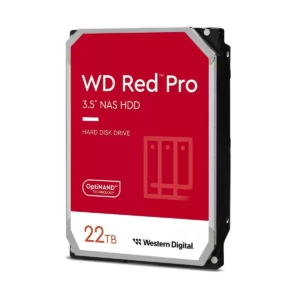
The Pillars of Data Infrastructure: A Comprehensive Evaluation of the Top Enterprise Hard Drives for 2023
In the modern landscape of digital infrastructure, the demand for robust, high-capacity...
 Enterprise Tech & Infrastructure
Mastering Amazon S3 Cost Control: Why the Per-Gigabyte Rate Is Only the Beginning of the Bill
In the landscape of enterprise cloud infrastructure, the Amazon S3 storage bucket...







