

The performance gains from these architectural improvements are substantial. According to Microsoft’s hardware leadership, including Rani Borkar and Saurabh Dighe, a rack of Maia 300s can deliver up to seven times the token throughput of a Maia 200 rack. While a portion of this gain comes from doubling the number of XPUs per rack and a 36 percent increase in raw floating-point performance per chip, the majority of the improvement is attributed to the refined architecture and improved dataflow.
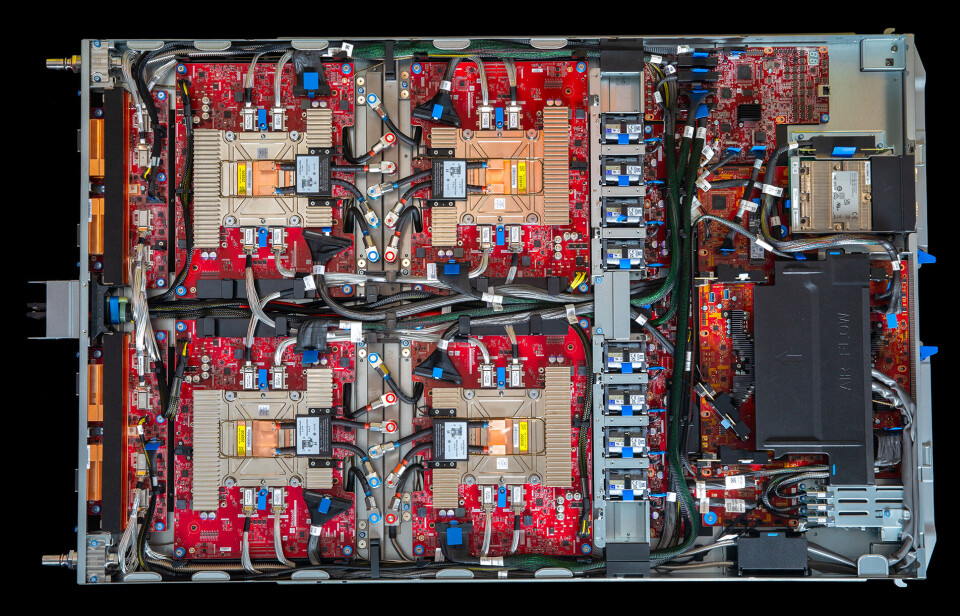
Crucially, Microsoft is achieving these performance leaps while focusing on power efficiency. The company reports a 2.5-fold improvement in performance-per-watt when moving from the Maia 200 to the Maia 300. In an era where data center power availability is becoming a primary constraint for AI expansion, the ability to extract significantly more work from the same energy footprint is as important as the raw speed of the chips themselves.
The development of the Maia line also highlights the shifting alliances in the semiconductor industry. While Global UniChip (GUC) of Taiwan acted as the "chip shepherd" for the Maia 100, rumors have swirled about the involvement of other major players like Broadcom and Marvell for subsequent generations. Microsoft’s decision to pull the host server—presumably powered by its 132-core Cobalt 200 series Arm CPUs—directly into the Maia 300 node suggests a move toward deeper system-level integration.
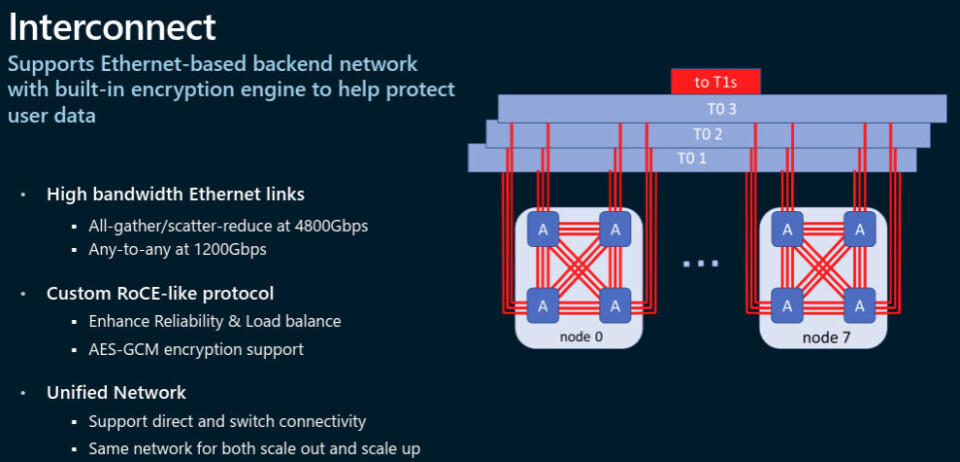
By engineering its own silicon, networking, and cooling systems, Microsoft is attempting to bypass the supply constraints and high margins of the commercial GPU market. The Clea Maia 300 is not merely a play for "speeds and feeds" dominance; it is a calculated effort to industrialize AI inference at a scale that can support the next generation of agentic software. As these systems move into multi-gigawatt deployments, the efficiency and architectural advantages of custom silicon will likely become the deciding factor in which cloud platforms can afford to lead the AI era.
 Enterprise Tech & Infrastructure
Navigating the Complexity of Amazon S3: A Strategic Approach to Enterprise Storage Cost Management
The most significant driver of overspending within Amazon S3 environments is a...
 Enterprise Tech & Infrastructure
Fibre Channel over Ethernet: Navigating the Intersection of Performance and Network Convergence
In the rapidly evolving landscape of enterprise data storage, the demand for...
 Enterprise Tech & Infrastructure
Upscale AI Challenges Nvidia’s Dominance with SkyHammer Scale-Up Fabric
For decades, the architecture of high-performance computing has been defined by a...







