
The Economics of AI: Managing Spend and Value
As AI usage scales, the challenge of managing costs has become a primary concern for business leaders. Microsoft is addressing this through a dual-pronged pricing strategy and the introduction of "FinOps for AI."
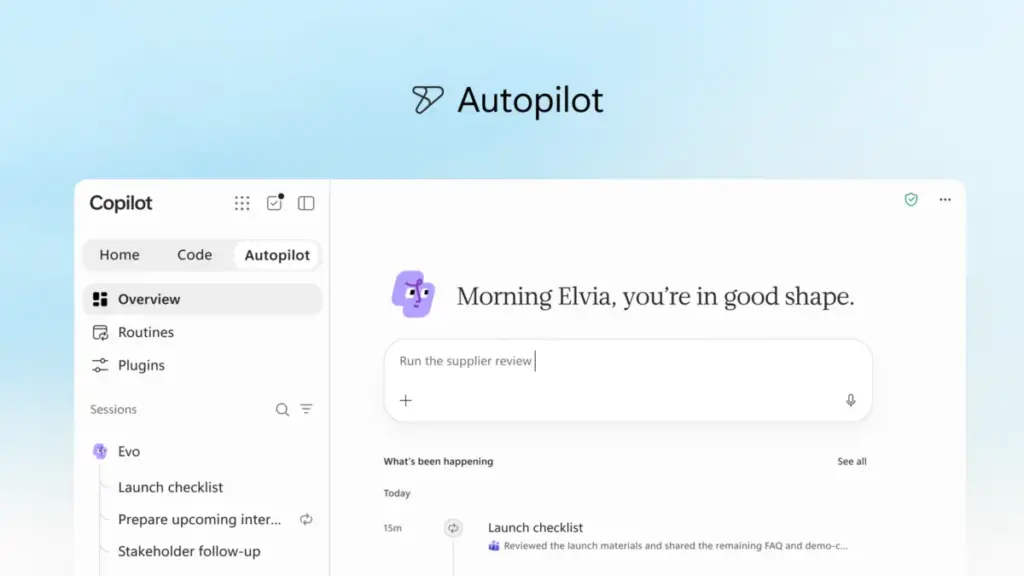
For standard, everyday tasks like drafting emails or summarizing meetings, Microsoft offers a User Subscription License (USL) at a fixed cost. This includes a feature called "Auto," which intelligently routes requests to the model best suited for the task based on a balance of accuracy, speed, and cost. For more complex, "agentic" work—such as the long-running tasks performed by Cowork, Code, and Autopilot—Microsoft is utilizing Usage-Based Billing (UBB). This allows organizations to match their spending to the specific value generated by advanced models like Astra and Fable.
The FinOps for AI discipline provides tools for administrators to manage this spend. New capabilities in Agent 365 and Microsoft Copilot allow admins to set spending policies, route credit requests through approval workflows, and restrict certain model families to specific user groups. Business leaders can also access insights to see which tasks are generating the highest ROI, while end-users can monitor their own credit usage and history directly within the Copilot interface.

Looking Ahead: Proactive Command Centers and Shared Context
The announcements also included a "sneak peek" at upcoming features designed to make the platform even more personalized. Coming in October to private preview is "Today," a proactive command center within Home. Today is designed to surface what a user missed and what requires immediate attention across mail, calendar, and Teams. Rather than just listing tasks, Today prepares the work—drafting responses, proposing schedule changes, and providing the context needed for forgotten follow-ups.
Furthermore, Microsoft is enhancing collaborative AI through "@Copilot in Teams." This feature allows a team to invoke Copilot within a shared channel or group chat, where the AI has access to the full context and permissions of that specific group. It can explain past decisions by pulling from previous conversations and even prepare cross-functional reviews that identify dependencies and owners, ensuring that all team members remain aligned on complex projects.
These updates are currently rolling out through Microsoft’s Frontier program, with broader availability expected in the coming weeks and months. The company plans to share further innovations at its Ignite conference in November, where the focus will remain on how AI and agents can help organizations solve unique business problems and drive new value creation.
 Productivity Software & Office Suites
Microsoft Announces Global Launch of Copilot Cowork, Introducing Agentic AI to the Modern Enterprise
In a move that signals a significant shift in the landscape of...
 Productivity Software & Office Suites
Microsoft to Headline ESPC 2026 in Amsterdam: A Deep Dive into the Future of AI-Powered Work and Agentic Ecosystems
The landscape of enterprise technology is currently undergoing one of its most...
 Productivity Software & Office Suites
Microsoft Unveils ‘Autopilots’ and Microsoft Scout: The Next Evolution of Autonomous AI Agents for the Enterprise
The landscape of digital productivity is undergoing a fundamental shift, moving away...






