
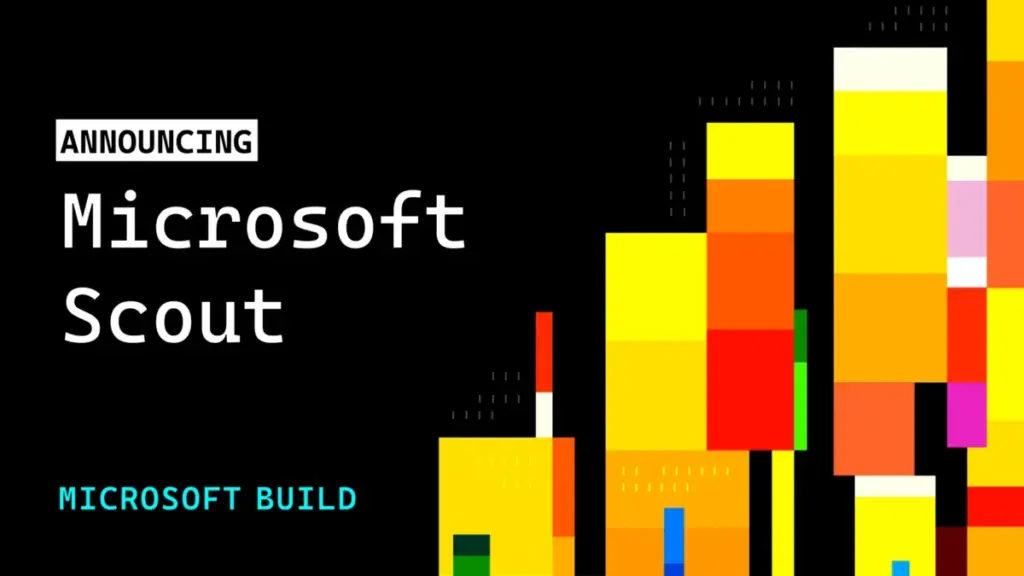
The landscape of digital productivity is undergoing a fundamental shift, moving away from reactive, prompt-based interactions toward a model of continuous, autonomous support. Microsoft has announced a significant leap in this direction with the introduction of a new category of artificial intelligence known as "Autopilots." Leading this charge is Microsoft Scout, the company’s first dedicated Autopilot agent designed to operate within the Microsoft 365 ecosystem. This development signals a move beyond simple question-and-answer AI, focusing instead on the "follow-through"—the ability for a system to hold a user’s priorities and act on them independently while remaining under strict organizational control.
For several years, the industry has focused on generative AI that responds to specific queries. While these tools have proven effective at drafting emails or summarizing documents, they often stop once the immediate question is answered. Microsoft’s new vision for work focuses on the rhythm of the modern professional environment, which is rarely composed of isolated exchanges. Instead, work is a series of interconnected tasks that require constant attention and coordination. Autopilots are designed to bridge the gap between human intention and execution by staying active in the background, ensuring that work continues to move forward even when a user is focused on other priorities.
A new category of agents
The introduction of Autopilots marks a departure from the traditional assistant model. These are described as "always-on" agents that function with their own distinct identity. Unlike standard AI tools that require a user to initiate every action, Autopilots are built to understand the nuances of how work is performed across various applications and systems. They operate with a level of autonomy that allows them to take action without needing a specific prompt for every individual step of a process.
A critical component of this new category is the concept of identity. Because Autopilots operate with their own recognized presence within a network, they can carry out tasks within the specific permissions and policies established by both the individual user and the broader organization. This ensures that the agent is not a "shadow" process, but a governed participant in the workflow. This structural change creates a more durable way to maintain momentum in professional projects, allowing the AI to handle the logistical "heavy lifting" while the human user focuses on high-level strategy and creative decision-making.
By operating in the background, these agents monitor the flow of information and tasks. They are designed to recognize when a project has stalled or when a specific coordination effort is required. This proactive nature is intended to eliminate the friction of modern work, where much of a professional’s day is consumed by "work about work"—the scheduling, the follow-ups, and the manual synchronization of data across different platforms.
Microsoft Scout: The first Autopilot agent
As the flagship entry into this new category, Microsoft Scout is being positioned as a deeply integrated tool that lives where work happens. It is not a standalone application but a service that spans the entirety of the Microsoft 365 suite, including Teams, Outlook, OneDrive, and SharePoint. By grounding Scout in the daily flow of work, Microsoft ensures the agent has access to the data that powers a professional’s day, such as calendars, contacts, emails, and chat histories.
The reach of Microsoft Scout extends across various environments, including cloud services, desktop applications, and the web. While users primarily interact with Scout through Microsoft Teams, its capabilities are extended via a desktop application to the browser and local system resources. Furthermore, Scout utilizes Model Context Protocol (MCP) servers, allowing it to connect with a wider range of data sources and local contexts, making it a highly versatile tool for complex enterprise environments.
 Productivity Software & Office Suites
Microsoft Reports 30 Million Paid Copilot Seats as Enterprise AI Shifts from Assistance to Autonomy
In a recent earnings call that signaled a pivotal moment for the...
 Productivity Software & Office Suites
Microsoft Reimagines Copilot as a Unified AI Platform for the Next Generation of Work
In a significant shift that signals the next phase of the artificial...
 Productivity Software & Office Suites
Microsoft Democratizes Software Development with Natural Language App Building in Copilot Studio
The landscape of software development is undergoing a fundamental transformation as artificial...







