
The modern enterprise is defined by its processes. From the simplest internal approval to the most complex global supply chain, every organization operates through a series of interconnected steps where data, permissions, and rules dictate the flow of work. Historically, these processes have been housed within siloed applications, often requiring human intervention to bridge the gaps between systems that were never designed to communicate. As artificial intelligence continues to reshape the corporate landscape, the fundamental nature of how these pieces work together is undergoing a radical transformation.
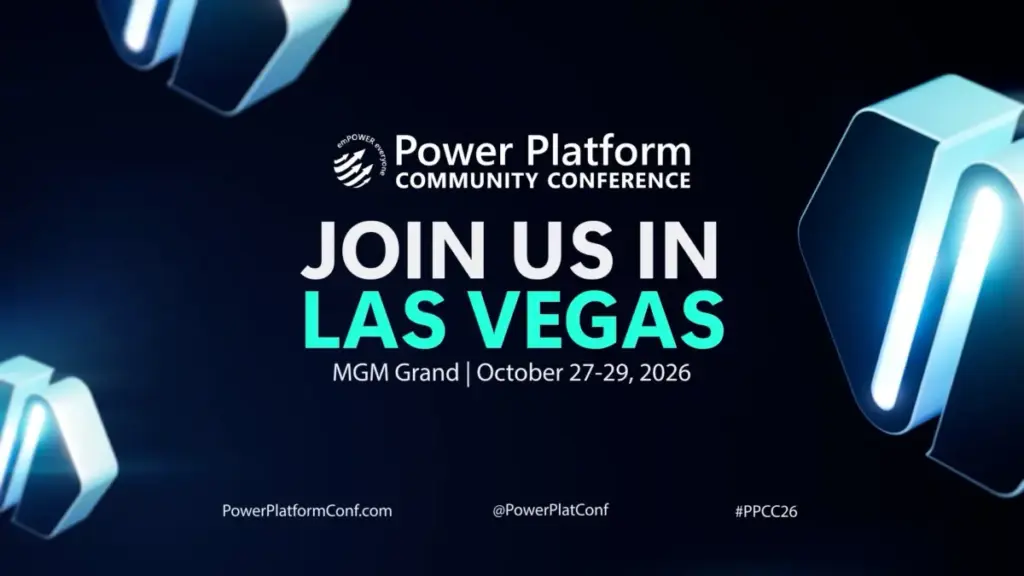
Microsoft has announced that it will address these shifts at the fifth annual Power Platform Community Conference (PPCC), scheduled to take place from October 27 to 29, 2026, at the MGM Grand in Las Vegas. The event arrives at a critical juncture for business leaders and technology professionals who are moving beyond the initial hype of generative AI and into the practicalities of implementation, governance, and optimization.
As enterprises look to integrate AI into their core operations, they face a new set of practical questions. How can AI agents move from simple chatbots to active participants in a workflow? How do organizations ensure that these intelligent systems remain secure and governable? Perhaps most importantly, how can businesses manage the costs associated with AI while maximizing the value it brings to their bottom line? These questions form the backbone of the upcoming conference, which aims to provide a roadmap for the next generation of digital transformation.
Rethinking the Architecture of Work
The core philosophy of the Power Platform has always been the democratization of solution-building. By providing low-code tools, Microsoft has enabled business experts—those who closest to the problems—to build the applications and workflows they need. However, the introduction of Microsoft Copilot and AI agents has expanded the scope of what is possible. The focus is no longer just on building a single app or automating a single task; it is about rethinking end-to-end processes.
In many organizations, people have traditionally acted as the "human glue," managing exceptions and making judgments where software reached its limits. AI creates an opportunity to rethink this dynamic. Instead of people spending their time on routine data entry or manual system navigation, they can leverage AI to handle the logic and information retrieval, allowing the human element to focus on high-level strategy and complex exception management.
The conference will explore how tools like Microsoft Copilot and Work IQ are being used to create a more cohesive "organizational intelligence." By connecting data from across the Microsoft 365 ecosystem and beyond, these tools allow for a more fluid movement of information. This shift moves the enterprise away from siloed tools and toward a holistic environment where apps, workflows, and data work in concert.
From Theory to Practice: The NFL Case Study
To illustrate the real-world impact of these technologies, Microsoft highlighted the recent digital modernization efforts of the National Football League (NFL). The league, which operates under immense logistical pressure particularly on game days, sought a way to standardize its operations and improve real-time decision-making.

By utilizing Microsoft Copilot Studio and the Power Platform, the NFL developed an AI-powered Game Ops Dashboard. This solution was designed to modernize game-day operations by standardizing incident reporting across various venues and providing a centralized hub for operational data. The dashboard does more than just display information; it supports long-term operational learning by creating a consistent, data-driven record of stadium operations.
The NFL example serves as a blueprint for how specific operational challenges can be transformed into broader business value. By connecting disparate systems and applying process expertise, the league has moved toward a more consistent operational model. This case study underscores a major theme of the upcoming conference: the most successful AI implementations are those that solve a tangible, high-stakes problem rather than those that implement technology for its own sake.
The Collaborative Build: A Multi-Disciplinary Approach
Building an AI-ready organization requires a shift in how teams collaborate. The conference will emphasize that modern solution-building is no longer the sole province of the IT department. Instead, it requires a broad set of skills from across the organization.
Business experts are essential because they understand the nuances of where a process breaks down and where the most significant bottlenecks occur. Developers and solution builders provide the technical expertise to connect various systems and create intuitive user experiences. Meanwhile, administrators and IT leaders establish the necessary controls, ensuring that every automation and AI agent operates within the company’s security and governance frameworks.
At the Power Platform Community Conference, participants will be encouraged to bring a specific process from their own organization that they wish to improve. This practical approach is designed to help attendees move away from the daunting task of trying to change everything at once. By focusing on one meaningful process—whether it is procurement, onboarding, or customer service—attendees can learn how to apply agent reasoning and automation in a way that is scalable.
Consider the complexity of a standard procurement process. In a modern, AI-enhanced environment, an employee might initiate a request through a Copilot interface. An AI agent can then automatically gather supplier information, check purchasing policies, and ensure the request adheres to the correct data model and permissions. While the workflow handles routine approvals, higher-risk exceptions are automatically routed to the appropriate human reviewer. This synergy ensures that automation handles the volume, while people remain in control of the critical decisions.
A Comprehensive Agenda for Innovation
The 2026 conference is structured to provide deep dives into every facet of the Power Platform. The event will kick off with an opening keynote on October 27 featuring Charles Lamanna, Executive Vice President at Microsoft, along with other key leaders. This session is expected to outline the future roadmap for Copilot, agents, and the Power Platform, providing insights into how these technologies are evolving to meet enterprise demands.
With more than 200 sessions and 24 hands-on workshops, the conference offers a diverse range of learning opportunities. Business and IT leaders will find tracks dedicated to moving AI projects from the experimentation phase into full-scale production. These sessions will cover critical topics such as architecture, security, and the governance of AI agents.
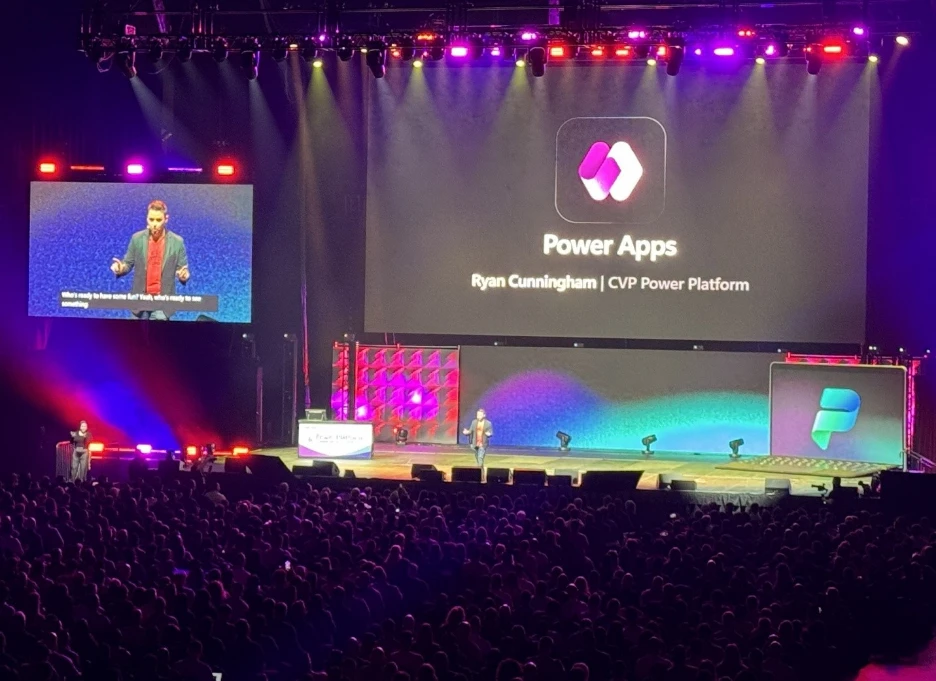
Professional developers will have the chance to go deeper into the technical aspects of the platform, including data integration and the design of sophisticated automated systems. For business experts, the focus will be on "citizen development"—learning how to translate deep process knowledge into functional systems that can be used and improved by their peers.
Beyond the formal sessions, the conference will facilitate community engagement through several dedicated spaces. The Expo Hall will showcase the latest partner solutions, while the Makers Market will feature unique creations from the Power Platform community. The Community Lounge will serve as a hub for networking, allowing attendees to connect with Microsoft product teams and fellow experts to share best practices and troubleshoot common challenges.
Governance, Security, and the Bottom Line
As AI becomes more prevalent, the issues of governance and cost management have moved to the forefront of the conversation. Many organizations are concerned about the potential for "shadow AI"—where employees use unapproved or insecure AI tools to get their work done. The PPCC will dedicate significant time to discussing how the Power Platform provides a secure, governed environment for AI innovation.
By using a centralized platform, IT leaders can maintain visibility into how AI is being used, who is using it, and what data it is accessing. This level of control is essential for industries with strict regulatory requirements. Furthermore, the conference will address the economic realities of AI. Attendees will learn strategies for effective AI cost management, ensuring that the return on investment remains clear as they scale their implementations.
The event is designed to be a comprehensive experience that balances technical education with community building. This is perhaps best exemplified by the conference’s concluding celebration on October 28, which will feature a live performance by global superstar Pitbull. This social component highlights the "community" aspect of the conference, celebrating the collective achievements of the developers, admins, and business leaders who are driving the platform forward.
Joining the Global Community
The Power Platform Community Conference 2026 represents a significant gathering for anyone tasked with the digital transformation of their organization. By bringing together the people who build the tools and the people who use them, Microsoft aims to foster an environment where practical innovation can thrive.
Registration is now open for the event at the MGM Grand in Las Vegas. As organizations continue to navigate the complexities of the AI era, the insights and connections gained at the PPCC will likely play a vital role in how they define their business processes for years to come. The message from Microsoft is clear: the future of work is not just about the technology itself, but about how that technology is integrated into the human-led processes that keep the world’s enterprises running.
 Productivity Software & Office Suites
Microsoft Announces New AI-Integrated Office Suites to Streamline Small Business Operations
In the demanding ecosystem of small business management, success is often measured...
 Productivity Software & Office Suites
Microsoft Unveils Strategic Roadmap for Enterprise AI, Prioritizing Agentic Workflows and Flexible Economic Models
In an era defined by rapid-fire technological breakthroughs and a relentless cycle...
 Productivity Software & Office Suites
Microsoft Reimagines Copilot as a Central Hub for AI-Driven Work and Autonomous Agents
In a significant shift for the future of digital productivity, Microsoft has...







